


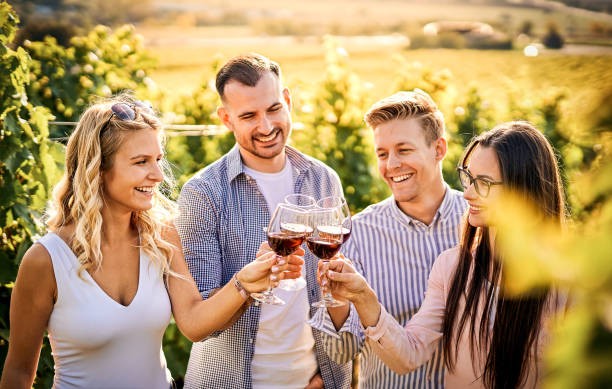
Wine tours give teams a relaxed setting to connect, communicate, and build trust outside the office. They combine sensory experience with social interaction, making them one of the most effective choice for corporate team building today.
San Francisco is a popular gateway to wine country, located on a peninsula between the Pacific Ocean and San Francisco Bay. The city is known for its unique microclimates. It is about an hour from Napa Valley and Sonoma County. Its close proximity and mix of business and leisure culture make it an ideal starting point for convenient and well-planned wine tours.
Many businesses choose corporate wine tours from San Francisco because they offer a seamless blend of scenic beauty, world-class wineries, and professional group tour services.
This article explains more about how wine tours support team building.
Building Comfort and Communication
When team members step away from their desks, conversation flows more naturally. Wine tours encourage relaxed discussion, which helps quieter team members participate more freely. This kind of environment can improve working relationships long after the event ends.
A guided tasting also gives everyone a shared focus. Teams listen, ask questions, and form opinions together. That process quietly builds the habit of collaborative thinking.
Encouraging Friendly Participation
Unlike competitive team-building activities, wine tours are low-pressure. Everyone can engage at their own comfort level, whether they are a wine enthusiast or a first-time taster. This makes the experience more inclusive across different personalities and roles.
What Makes Wine Tours Ideal for Corporate Groups
Several practical factors make wine tours a strong choice for corporate events.
- Flexible group sizes: Most wineries accommodate small executive groups as well as large departments.
- Structured yet social: Guided tours provide a schedule without feeling too formal.
- Memorable experience: Unique settings make the event stand out compared to standard dinners or conferences.
- Conversation-friendly: Tasting sessions naturally prompt discussion without forced icebreaker activities.
These qualities make wine tours easy to plan and enjoyable for a wide range of employees.
Wine Tour vs. Traditional Team Events
A wine tour offers an outdoor, scenic, and relaxed environment, while a traditional team event is usually held indoors with a more structured setting. In terms of engagement, wine tours focus on sensory and social experiences, whereas traditional events are often task- or game-based.
Wine tours are generally more inclusive and low-pressure, while inclusivity in traditional events can vary depending on the activity. Overall, wine tours tend to create stronger, more lasting memories, while traditional team events are often only moderately memorable.
Wine tasting from San Francisco adds a geographic advantage, too. The short drive to wine country means less travel stress and more time actually enjoying the experience.
Steps to Plan a Corporate Wine Tour
- Define your group size and budget before reaching out to tour operators.
- Choose between Napa and Sonoma based on the style of experience you want.
- Book a private or semi-private tour to keep the group focused and comfortable.
- Coordinate transportation so everyone travels together safely.
- Share a loose agenda with your team so they know what to expect.
- Follow up after the event to capture feedback and measure team sentiment.
Key Takeaways
- Wine tours offer a relaxed, low-pressure environment that encourages real conversation among team members
- Guided tastings create a shared experience without competitive pressure
- Wine tours are flexible and work for a wide range of group sizes and budgets
- They compare favorably to traditional team events in terms of inclusivity and memorability
- Private tour options give corporate groups better focus and a more tailored experience
