


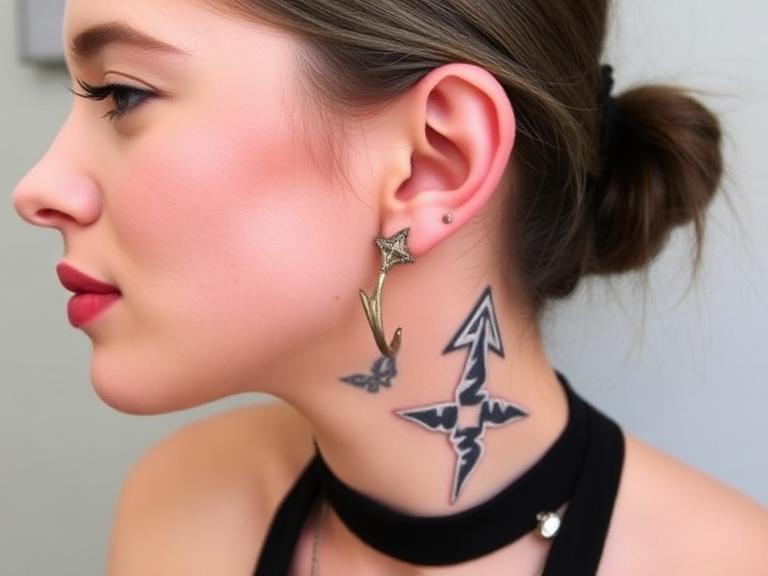
Body piercings have changed a lot over the years. They used to be a symbol of going against the grain, but now you see them everywhere – from fancy red-carpet events to your everyday office. What was once considered a rebellious act is now just another way to express yourself, as common as coloring your hair or getting a tattoo. This shift didn’t happen overnight, though. It’s been a long journey, shaped by cultural movements, celebrity styles, and a growing desire to show off your true self. Let’s dive into how body art moved from the sidelines right into the heart of fashion.
From Ancient Rituals to Modern Rebellion
Body piercing isn’t a new thing at all. For thousands of years, people worldwide have gotten piercings for spiritual, social, or simply decorative reasons. Ancient Egyptians, for example, pierced their navels as a sign of royalty, while Roman soldiers would pierce their nipples to show strength and courage. These practices were a big part of their culture and traditions.
However, in the Western world, piercings mostly stayed out of the mainstream until the 20th century. After World War II, they found a home in specific subcultures like the punk and goth scenes of the 1970s and 80s. Back then, piercings were a powerful symbol of rebellion, a visual way to say “no thanks” to conservative social norms. While an earlobe piercing was pretty common, anything more – like a nose ring or an eyebrow bar – was a clear statement that you were different from the crowd.
The 90s Pop Culture Boom and Beyond
The 1990s and early 2000s were a huge turning point for body piercings. Thanks to music videos and famous pop stars, certain piercings suddenly became super popular. The navel piercing, especially, became the must-have accessory of the Y2K era, seen on pop stars and actresses everywhere. It was a fun, stylish way to add a little sparkle and personality to your look. This trend made it fashionable to get cute belly button barbells and show off a bit of personal flair.
This period really helped make piercings less intimidating for a younger generation. What once seemed edgy now felt cool and desirable. Nostril studs, tongue rings, and eyebrow piercings also took off, moving from alternative scenes into high schools and college campuses. The rebellious vibe softened, replaced by a connection to youth culture and current fashion trends.
Celebrities and Social Media: The New Tastemakers
If 90s pop stars opened the door, today’s celebrities and social media influencers have kicked it wide open. From Zendaya’s elegant ear setups to Florence Pugh’s bold septum ring, high-profile figures have made all sorts of piercings totally normal. The way celebrities embrace body art strongly influences trends, showing everyone how piercings can look chic, sophisticated, or super edgy.
Social media platforms like Instagram and Pinterest have really sped up this trend. Now, you can find endless ideas for beautifully curated ears, delicate nostril hoops, and unique placements. Piercers themselves have become artists with massive followings, sharing their work and teaching people about safe practices and gorgeous jewelry options. All this visibility has made piercings feel more approachable and less scary than ever before.
Piercings as Personal Style and Self-Expression
Today, the reasons people get piercings have changed quite a bit. For many, it’s less about rebelling and more about personal decoration and showing off who they are. A body piercing as a fashion statement lets you customize your look and express your individuality. Whether it’s a single minimalist stud or an elaborate collection of hoops and gems, your jewelry choices let you tell your story. This kind of body modification is deeply personal, acting as a permanent accessory that’s uniquely yours. It can mark a special moment, help you feel more in control of your body, or simply be a fun way to play with your style.
The way body art has evolved really shows how our attitudes toward individuality and self-expression have changed. What was once a niche practice is now a celebrated part of mainstream style, letting people from all walks of life decorate their bodies in ways that feel authentic and beautiful.
