


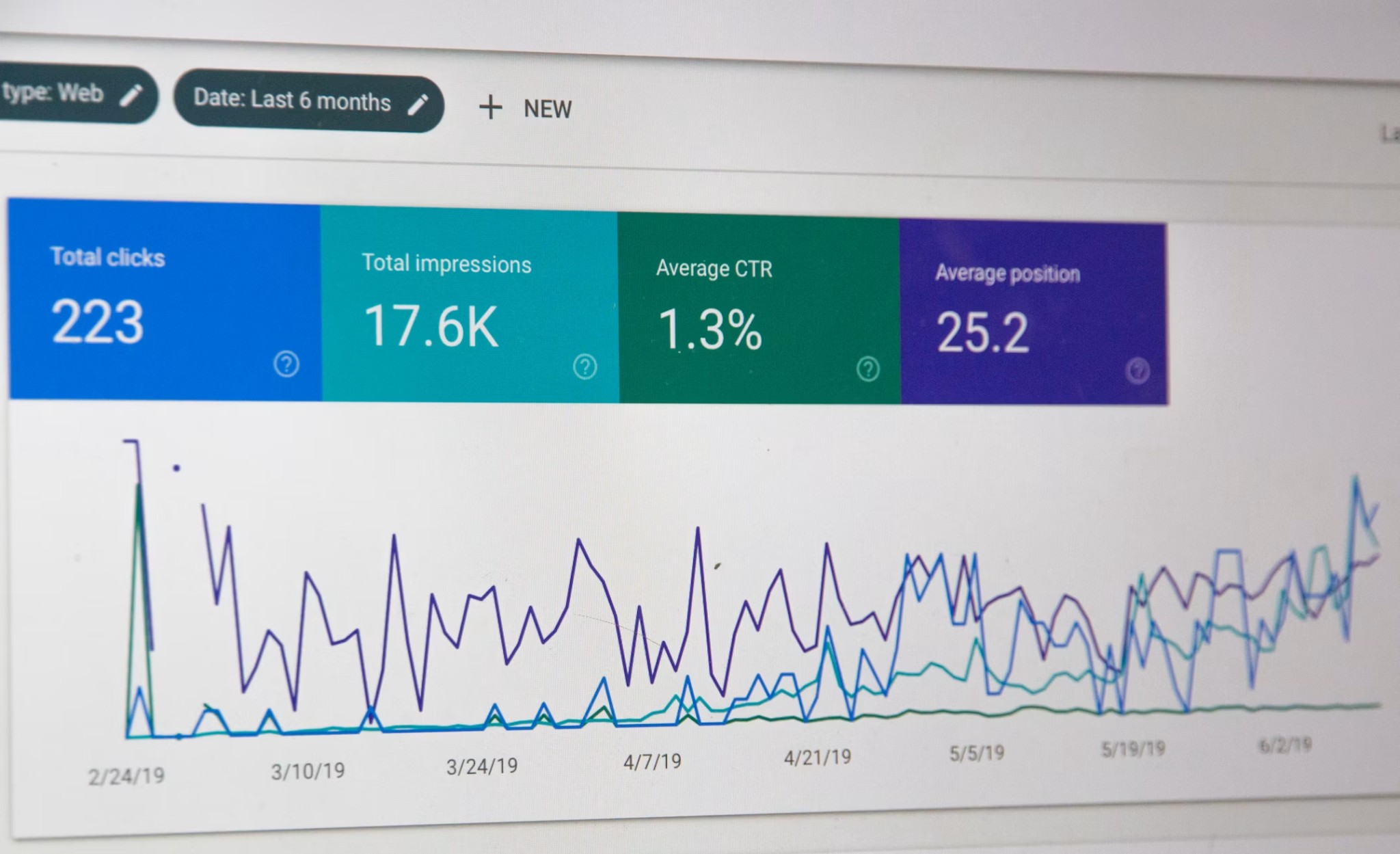
Making critical business decisions based on last month’s financial reports is a significant risk in a fast-moving economy. By the time you analyze the numbers, the opportunity or threat has often already changed. Getting real-time financial clarity isn’t just for big corporations anymore; it’s essential for any business that wants to be agile and competitive. This means having an up-to-the-minute, accurate view of your company’s financial health. It lets you act with confidence instead of just reacting to old information. This proactive approach, driven by accurate financial insights, is a core part of modern business strategy, showing why data analysis is so important for your company’s success.
The Need for Current Data
Relying on outdated data can lead to costly decisions. Monthly or quarterly reports provide snapshots, but they may miss rapid changes in market conditions, customer demand, or supply chains. When financial data is weeks old, decisions may no longer reflect reality.
Current data enables faster course corrections. Marketing teams can stop underperforming campaigns, while procurement managers can adjust inventory before trends reverse. Real-time insights help reduce waste, protect margins, and support smarter decisions.
Breaking Down Data Silos
One of the biggest hurdles to real-time clarity is data silos. These are isolated pockets of information stuck within different departments. The sales team has its CRM data, marketing has its campaign analytics, and operations has its inventory levels, each stored in separate systems. When data is fragmented like this, creating a single, complete picture of the business becomes a manual and time-consuming struggle. Answering a simple question like, “How did our recent promotion affect overall profitability?” can mean pulling reports from three different places.
Understanding data silos and how they form is the first step to breaking them down. Often, they happen unintentionally as an organization grows, with each department adopting the tools that best fit its specific needs. The solution involves creating a unified data strategy that lets information flow freely between departments. By using real-time insights from across the organization, you can get a complete view of performance and make truly informed decisions.
Automating Data Integration
Manually exporting data from various systems into spreadsheets for reconciliation isn’t a sustainable solution. This process is slow, prone to human error, and creates multiple versions of the truth, leading to confusion and distrust in the numbers. The key to overcoming this challenge is to automate how your financial and operational data are integrated.
Modern financial planning tools can connect directly to your different business systems, such as your ERP, CRM, and HR software. They pull data automatically, making sure the information you’re looking at is always current. This gets rid of the tedious and error-filled “export-reconcile” cycle. For finance teams, this means they can shift their focus from wrestling with data to strategic analysis. Advanced solutions like AI-native FP&A can further streamline this process, allowing for continuous planning and forecasting without manual effort.
Dashboards for Instant Insights
Once your data is integrated and up to date, financial dashboards make it easier to access and understand. A well-designed dashboard brings key performance indicators (KPIs) together, helping you quickly assess business health, spot trends, and identify issues.
A typical financial dashboard may include:
- Real-time cash flow
- Revenue versus budget and forecast
- Department spending versus allocated budgets
- Customer acquisition cost and lifetime value
- Profit margins by product or service
These visual tools help leaders ask better questions and quickly identify the factors behind key numbers.
Making Faster Business Choices
Real-time financial clarity enables faster, smarter business decisions. A live view of operations helps you act on opportunities quickly and address problems before they escalate. You can invest more in high-performing sales channels or control project costs before they exceed the budget.
This agility transforms finance from a record-keeping function into a strategic business partner. Accurate, timely data supports proactive management, scenario planning, and confident decisions that drive growth and resilience.
Achieving this clarity requires more than one software tool. It means building a data-driven culture and adopting technology that creates a single source of truth across the organization.
