


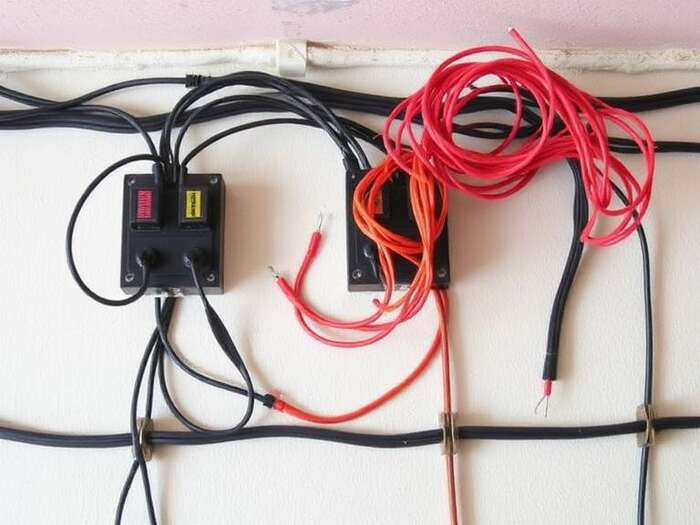
Many electrical problems don’t start with sparks or power failures. They begin quietly, hidden behind walls. Home rewiring is one of the most important upgrades you can make for safety, reliability, and long-term peace of mind—yet it’s often misunderstood or delayed.
Electricity is something most homeowners take for granted. Lights turn on, appliances run, and outlets work—until one day they don’t. Behind every switch and socket is a network of wires that carries power throughout your home. Over time, those wires can age, wear out, or simply become inadequate for modern living.
If you are exploring home rewiring in Buffalo, NY, it often means you are already seeing warning signs or living in an older property. Home rewiring is not about cosmetic upgrades. It is about safety, performance, and ensuring your electrical system can support today’s demands.
This guide explains what home rewiring entails, when it is necessary, and how to determine the right time to act.
What Is Home Rewiring?
Home rewiring is the process of replacing old or outdated electrical wiring with new, safe wiring that meets current standards. It typically involves updating cables, connections, outlets, switches, and, in some cases, the electrical panel.
Rewiring does not always mean tearing down walls completely. In many cases, electricians access wiring through strategic openings and existing pathways.
The goal of rewiring is to:
- Improve electrical safety
- Support modern power needs
- Reduce fire and shock risks
- Ensure reliable power delivery
Simply put, rewiring brings your home’s electrical system up to date.
Why Home Rewiring Matters More Today
Homes today use far more electricity than they did decades ago. Computers, smart devices, kitchen appliances, and entertainment systems place heavy demands on wiring.
Older wiring systems were designed for:
- Fewer appliances
- Lower power usage
- Simpler electrical layouts
Without upgrades, outdated wiring struggles to keep up. This leads to overheating, power interruptions, and safety risks that should not be ignored.
Common Types of Electrical Wiring in Older Homes
Understanding wiring types helps explain why rewiring is often necessary.
Older homes may contain:
- Outdated wiring materials
- Wiring without grounding
- Systems are no longer considered safe
These systems can still function, but they do not meet modern safety expectations. Replacing them reduces risk and improves reliability.
Clear Signs Your Home May Need Rewiring
Home rewiring is rarely sudden. Your electrical system usually sends warnings first.
Frequent Circuit Breaker Trips
Circuit breakers protect your home from overloads. If they trip often, it suggests the wiring is under strain.
Common causes include:
- Overloaded circuits
- Aging wires
- Insufficient capacity
Repeated tripping indicates the system needs attention.
Flickering or Dimming Lights
Lights should stay steady. Flickering or dimming often points to wiring or connection issues.
This can happen when:
- Appliances draw power
- Multiple lights flicker together
- Brightness changes unexpectedly
These signs should not be dismissed.
Warm Outlets or Switches
Outlets and switches should never feel warm. Heat indicates resistance in the wiring.
This is often caused by:
- Loose connections
- Worn wiring
- Overloaded circuits
Warm outlets are a serious warning sign.
Burning Smells or Buzzing Sounds
Any burning smell or buzzing noise near electrical components requires immediate attention.
These symptoms may indicate:
- Overheating wires
- Damaged insulation
- Failing connections
Prompt inspection is essential.
When Should You Consider Home Rewiring?
Not every home needs rewiring immediately. However, certain situations strongly suggest it is time.
Homes Over 40–50 Years Old
Age alone does not mean wiring is unsafe, but older systems are more likely to fall short of modern needs.
Older homes often have:
- Limited outlets
- Lower capacity wiring
- Aging insulation
Rewiring modernises the system.
Major Renovations or Extensions
If you are renovating, rewiring makes sense.
Reasons include:
- Easier access to walls
- Opportunity to upgrade safely
- Avoiding future disruptions
Renovation time is often the most cost-effective moment to rewire.
Adding High-Power Appliances
New appliances increase electrical demand.
Examples include:
- Electric ovens
- Heating or cooling upgrades
- Home offices or workshops
Rewiring ensures your system can handle the load safely.
What Does the Home Rewiring Process Involve?
Home rewiring follows a structured approach.
Step 1: Electrical Inspection
An electrician assesses:
- Existing wiring condition
- Panel capacity
- Safety concerns
This evaluation determines the scope of work.
Step 2: Planning the Upgrade
A plan is created to:
- Replace old wiring
- Add outlets where needed
- Improve circuit layout
Good planning reduces disruption.
Step 3: Installing New Wiring
New wiring is installed carefully, often using existing pathways to minimise damage.
Work may include:
- New cables
- Updated outlets and switches
- Improved grounding
Step 4: Testing and Final Checks
The system is tested to ensure:
- Safe operation
- Reliable power flow
- Compliance with safety standards
Only after testing is the system approved for use.
How Long Does Home Rewiring Take?
The timeline depends on:
- Home size
- Wiring complexity
- Access points
Small homes may take a few days to complete. Larger properties may take longer. Clear planning keeps the process efficient.
Is Home Rewiring Disruptive?
Some disruption is normal, but professionals aim to minimise it.
You may experience:
- Temporary power shutdowns
- Small wall openings
- Limited room access
Most homeowners find that the long-term benefits outweigh the short-term inconvenience.
Safety Benefits of Home Rewiring
Rewiring dramatically improves safety.
Key benefits include:
- Reduced fire risk
- Lower chance of electrical shocks
- Stable and reliable power
Safety is the primary reason many homeowners choose to have their homes rewired.
Energy Efficiency and Performance Improvements
New wiring improves power delivery.
Benefits include:
- More consistent appliance performance
- Reduced energy loss
- Fewer power interruptions
Efficient systems work better and last longer.
How Home Rewiring Supports Property Value
Updated electrical systems are attractive to buyers.
Rewiring:
- Improves inspection results
- Reduces buyer concerns
- Demonstrates responsible maintenance
This can strengthen resale value.
Actionable Tips Before You Rewire
Before starting, consider:
- Scheduling a professional inspection
- Listing current and future power needs
- Planning outlet locations
Preparation ensures better results.
Common Myths About Home Rewiring
Many homeowners delay rewiring due to myths.
Common misconceptions include:
- “If it works, it’s safe.”
- “Rewiring always destroys walls.”
- “Only very old homes need rewiring.”
In reality, modern techniques reduce disruption, and safety should not be assumed.
Wrapping Up:
Home rewiring is not just an electrical upgrade. It is a long-term investment in safety, reliability, and comfort. Warning signs such as flickering lights, warm outlets, and frequent breaker trips should never be ignored.
By understanding what rewiring involves and when it is needed, homeowners can make informed decisions that protect their homes for years to come. Acting early prevents hazards, supports modern living, and provides lasting peace of mind.
