


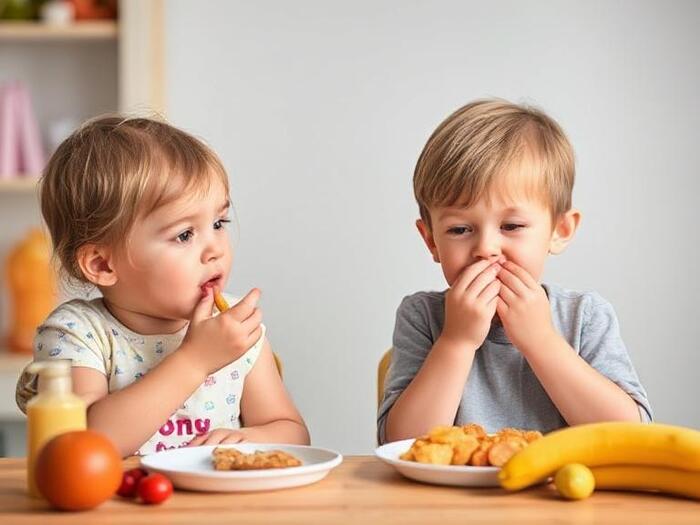
Food allergies in children are more common than ever, and they can range from mild to life-threatening. For parents, caregivers, and educators, navigating daily life with a child who has food allergies can feel overwhelming. But don’t worry — with the right knowledge and precautions, you can create a safe and joyful environment for your child.
In this article, we’ll walk you through 10 essential tips to help keep children with food allergies safe, whether they’re at home, in school, or out at a birthday party.
1. Educate Your Child (and Yourself!)
Start with awareness. The first step in keeping your child safe is making sure they understand what their allergy is and how to avoid it — in an age-appropriate way.
Example:
A five-year-old can learn to say, “I’m allergic to peanuts,” while an older child should know how to read food labels and recognize allergic reaction symptoms.
Pro Tip: Practice role-playing scenarios like being offered food at a friend’s house or saying “no thank you” to shared snacks.
2. Make Your Home a Safe Zone
Your home should be a food allergy-safe haven. This means eliminating or clearly labeling allergenic foods and preventing cross-contamination in the kitchen.
Practical Tips:
- Use separate cutting boards and utensils
- Wipe down surfaces often
- Store allergy-safe foods on a different shelf
Bonus Tip: Create a “safe snack” drawer that your child knows they can always trust.
3. Partner with Your Child’s School or Daycare
Schools play a huge role in your child’s safety. Schedule a meeting with teachers, school nurses, and cafeteria staff to make sure everyone understands your child’s allergy needs.
Must-Haves:
- A written Allergy Action Plan (with your doctor’s help)
- Emergency medication on-site (like epinephrine auto-injectors)
- Clear snack and lunch guidelines
Real-Life Tip: Some parents send labeled “safe treats” for birthday celebrations, so their child doesn’t feel left out.
4. Master the Art of Reading Food Labels
Food manufacturers are required to list major allergens, but vigilance is key. Teach your child (and anyone who feeds them) to read ingredient lists and allergen warnings.
Watch For:
- “May contain…” statements
- “Processed in a facility that also processes…”
Keep in mind: Recipes can change, so always check — even if it’s a brand you trust.
5. Plan Ahead for Social Events
Birthday parties, sleepovers, and school events can be landmines for kids with food allergies — unless you’re prepared.
How to Prep:
- Talk to the host in advance
- Offer to bring allergy-safe food or snacks
- Pack your child’s own dessert so they don’t miss out
Pro Tip: Always send your child with a medical alert bracelet and emergency meds — just in case.
Read Also: Comprehensive Guide to Managing Allergies and Improving Quality of Life
6. Train Caregivers and Babysitters
Anyone watching your child should be fully informed about their food allergies — and what to do in an emergency.
Share These:
- A written emergency plan
- Symptoms of an allergic reaction
- How to use an epinephrine auto-injector
Tip: Do a quick hands-on demo, and leave a printout of instructions with them.
7. Use Medical ID Bracelets
These small accessories can be life-saving. A medical alert bracelet provides vital information if your child is having a reaction and can’t speak.
Good to Know:
- Include the allergy and emergency contact
- Choose fun designs your child will actually want to wear
Real-world tip: There are also shoe tags, watches, and phone lock screens with allergy info.
8. Pack Allergy-Safe Meals and Snacks
Whether it’s a school lunch, a road trip, or a picnic — bringing your own food is the safest bet.
Ideas:
- Bento boxes with labeled compartments
- Silicone labels that say “Allergy Safe”
- Shelf-stable snacks for emergency stash
Pro Tip: Teach your child never to share or trade food with classmates.
9. Always Have Emergency Medications on Hand
You should never leave home without your child’s emergency allergy meds — even if you don’t think you’ll need them.
Essentials:
- Epinephrine auto-injectors (like EpiPen or Auvi-Q)
- Antihistamines
- Updated emergency contacts
Important: Check expiration dates often and make sure teachers, coaches, and babysitters know how to use them.
10. Empower, Don’t Isolate
It’s easy to be overprotective, but confidence is key. Teach your child to speak up, advocate for themselves, and enjoy life with a few smart precautions.
What You Can Do:
- Celebrate their wins (like saying “no” to unsafe food)
- Encourage them to ask questions at restaurants
- Involve them in shopping and meal prep
Mindset Shift: Your child isn’t just “the one with food allergies” — they’re resilient, smart, and capable.
FAQs About Children with Food Allergies
Q: What are the most common food allergies in kids?
A: The “Big 9” include milk, eggs, peanuts, tree nuts, soy, wheat, fish, shellfish, and sesame.
Q: Can food allergies go away over time?
A: Some do — like milk or egg allergies — while others, like peanut or shellfish, are more likely to be lifelong.
Q: How can I help my child feel included?
A: Get creative! Bake allergy-safe versions of treats, involve them in party planning, and talk openly about their needs.
Final Thoughts: You’ve Got This!
Raising children with food allergies may feel challenging, but you’re not alone. With preparation, communication, and a bit of creativity, your child can thrive — safely and confidently. Whether it’s lunchtime at school or cake at a birthday party, these small steps make a big difference.
What’s your biggest food allergy tip or story? Share it in the comments!
