


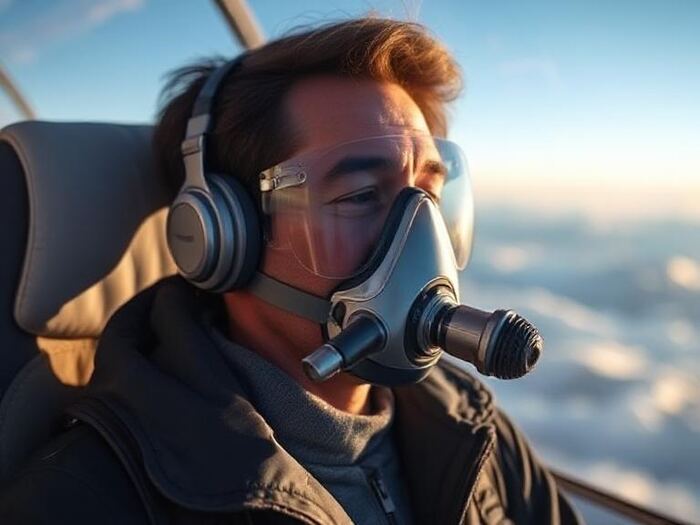
When you step onto an airplane, you’re entering one of the most extreme environments on Earth—without ever feeling it. Outside, the air is freezing, the pressure is dangerously low, and oxygen levels are only a fraction of what’s needed to sustain life. Yet passengers sit comfortably, breathing normally, sipping coffee, and reading books as if they were on the ground. How is that possible? The answer lies in a network of sophisticated aircraft systems that work silently behind the scenes to make modern air travel not only possible but comfortable.
According to the Federal Aviation Administration (FAA), commercial aircraft typically cruise between 30,000 and 40,000 feet, where the outside air pressure is less than 25% of what it is at sea level. Without the engineering marvel of cabin pressurization, passengers would lose consciousness within seconds. This article explores the hidden technology that keeps us breathing easily at those heights—and the backup systems that make air travel one of the safest human experiences.
The Air We Don’t See: Understanding the Physics of Flight
Why the Air Is Unbreathable at Cruising Altitude
At 35,000 feet, oxygen levels are too low to sustain human life. The air is thin, cold, and dry—conditions that would cause hypoxia, frostbite, and dehydration in minutes. Air pressure drops so drastically that even trained pilots exposed without oxygen support can lose cognitive function within 20 to 30 seconds. As discussed in Aviation Safety Magazine’s feature “Breathe the Thin Air,” the higher you go, the less time you have before your brain begins to shut down.
Cabin pressurization solves this problem by creating an artificial “mini-atmosphere” inside the aircraft. The system maintains a cabin altitude of about 6,000–8,000 feet, where oxygen levels are sufficient for normal breathing. This compromise keeps the pressure differential safe for the fuselage while ensuring passenger comfort.
How Cabin Pressurization Works
Air from outside the aircraft is drawn into the engines and compressed, creating hot, high-pressure air called bleed air. This air is cooled, filtered, and distributed into the cabin through environmental control systems. Pressure-control valves continuously release small amounts of air to maintain balance between internal and external pressure. Newer planes, like the Boeing 787 Dreamliner, use electric compressors instead of engine bleed air for greater efficiency and environmental control.
This intricate process happens automatically, adjusted in real time based on altitude, temperature, and airflow. The result is a seamless experience for passengers who remain blissfully unaware that the outside world is uninhabitable.
The Oxygen Backup: Breathing in Emergencies
When Pressurization Fails
Even though modern aircraft are incredibly reliable, redundancy is the foundation of aviation safety. Should a sudden loss of pressurization occur—a situation known as rapid decompression—oxygen masks automatically deploy from the overhead panel. Passengers are instructed to secure their own mask first because hypoxia can set in within seconds.
These masks don’t rely on massive oxygen tanks. Instead, they use small chemical oxygen generators that release oxygen through a reaction involving sodium chlorate and iron powder. When a passenger pulls on the mask, the generator ignites, producing oxygen for about 12–15 minutes—enough time for pilots to descend to 10,000 feet, where the outside air is breathable.
Crew and Pilot Oxygen Systems
Pilots use a separate, high-capacity oxygen system that can last for hours, ensuring full control of the aircraft even in extended emergencies. The system includes pressure-demand masks that adjust oxygen flow based on altitude and workload. Flight crews also have portable oxygen bottles that can assist passengers if a localized issue occurs in one section of the cabin.
According to Lessons from the Flight Deck, these redundant oxygen systems are among aviation’s “hidden heroes.” They ensure that no single point of failure can jeopardize passenger safety.
Backup Systems: The Unsung Heroes of Aviation
Layers of Redundancy
Aviation design operates on a principle of multiple backups. Every major system—electrical, hydraulic, pneumatic, and environmental—has redundant counterparts. If one system fails, another takes over instantly. For cabin pressurization, aircraft typically have at least two or three independent outflow valves and multiple air conditioning packs to regulate airflow and temperature.
In pressurization emergencies, automatic control can be overridden manually by the pilots, who are trained to handle every possible failure scenario. These overlapping safety nets make catastrophic oxygen-loss events exceedingly rare.
The Human Element
Technology alone doesn’t make aviation safe—training does. Pilots undergo hypoxia awareness sessions in controlled altitude chambers, as described in Aviation Safety Magazine. These exercises teach them to recognize the subtle onset of oxygen deprivation, such as tunnel vision or euphoria, before full incapacitation. This combination of technological redundancy and human readiness forms the cornerstone of flight safety.
Beyond Breathing: The Comfort Systems That Keep You Alive
Air Circulation and Quality
Contrary to the common myth, the air on airplanes isn’t “stale.” Modern aircraft recycle about 50% of cabin air through HEPA filters, removing over 99% of bacteria and viruses. The remaining air is replaced with fresh, pressurized air every few minutes. This constant exchange ensures the cabin environment is not only breathable but cleaner than most office buildings.
Humidity levels are another critical factor. Air at high altitude is extremely dry—less than 1% relative humidity. To prevent dehydration and sinus discomfort, the environmental control system adds limited moisture to maintain a relative humidity around 10–20%. Advanced composite aircraft can support even higher humidity levels without risking corrosion.
Managing Temperature and Pressure Cycles
As the aircraft climbs or descends, the cabin pressure gradually adjusts to prevent discomfort and minimize structural stress. Pressure changes are carefully managed to prevent ear and sinus pain. Meanwhile, temperature zones within the aircraft allow precise regulation for passenger areas, crew compartments, and cargo holds.
These interconnected systems—temperature, humidity, pressure, and filtration—work in harmony to create the illusion of normalcy in an environment utterly hostile to human life.
Breathing Safely, Thanks to Engineering
Why We Don’t Feel the Danger
The reason passengers can breathe easily at 35,000 feet isn’t magic—it’s engineering precision. Airplanes are equipped with environmental control systems that simulate near-Earth conditions while protecting passengers from the external extremes. Every breath you take in the cabin passes through multiple systems of compression, filtration, and regulation.
Pilots and engineers continuously monitor these parameters through cockpit displays, automatic alerts, and maintenance logs. Even minor deviations trigger diagnostic checks. This relentless monitoring ensures passengers remain safe, even during turbulence, system transitions, or altitude changes.
The Future of Cabin Technology
Next-generation aircraft continue to improve these systems. Electric-powered compressors, adaptive ventilation, and predictive maintenance sensors are making cabins safer, quieter, and more energy-efficient. Some manufacturers are experimenting with cabin-altitude reduction technology, lowering perceived altitude to under 6,000 feet for reduced fatigue on long-haul flights.
Final Thoughts
At 35,000 feet, you are surrounded by an environment that, without protection, would render you unconscious within seconds. Yet, through a complex interplay of physics, chemistry, and engineering, aircraft maintain breathable, comfortable conditions for hours on end. The aircraft systems that deliver oxygen, regulate pressure, and maintain temperature are marvels of redundancy and reliability—testament to decades of innovation in aerospace design.
So the next time you fasten your seatbelt and feel the gentle rush of air from the overhead vent, remember: you’re breathing at the edge of space, supported by invisible technologies that make one of humanity’s most dangerous frontiers feel effortlessly safe.
Read Also: Top 10 Most Dangerous Airports In The World
