


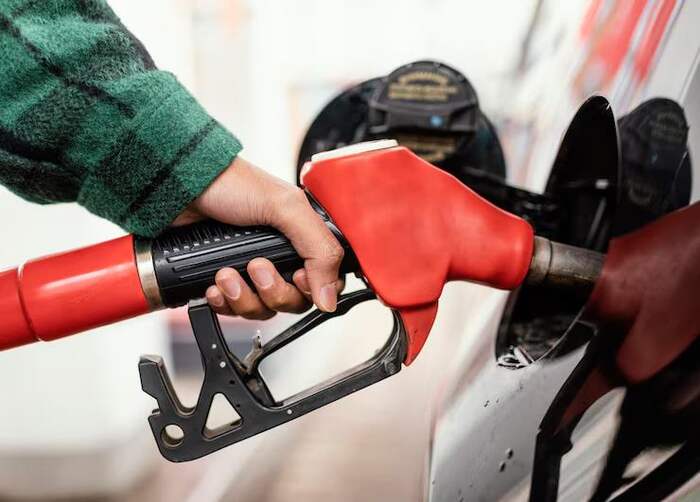
Refueling is a minor process in your day-to-day operations, but it costs you more in the long run.
Whether you have a fleet to manage, a construction site to keep running, or agricultural machinery to maintain, each visit to the fuel station poses unnecessary risk and delay. It puts your drivers in the way of road hazards, impedes productivity, and enhances the risk of fuel handling.
This is where on-site fueling becomes a better option.
By having fuel delivered to your location instead, you save wasted travel miles, establish safer procedures, and simplify your fuel management system. It’s not only convenient but also a cost-saving approach that enhances efficiency and reduces risk.
With this in mind, this article shall discuss why on-site fueling is not only safer but also a more convenient alternative for companies.
Understanding On-site Fuel Delivery

On-site fueling, also referred to as mobile fueling or direct-to-equipment fueling, is a service that delivers fuel to your site.
Whether you’re running a construction site, a fleet yard, a rural farm, or standby generators, the approach is straightforward. To eliminate off-site trips to the fuel station.
Rather than hauling equipment to the fuel, you transport the fuel to the equipment. This slight adjustment in the process results in a dramatic change in operational efficiency.
For fleet companies that have machinery or remote tanks to maintain, having a reliable partner that offers on site diesel fuel delivery service can revolutionize fuel logistics. Such specialized services deliver tank wagon fuel directly to your assets, maximizing uptime and reducing inconvenience.
Now that the fundamentals are established, the next step is to examine how this process is a safer and more convenient alternative to the conventional fueling strategies.
1. Improve Safety through Professional Handling
Ideally, in tight margin businesses and critical-time environments, safety cannot be compromised.
Standard fueling commonly jeopardizes that safety. Employees have to transport fuel in containers, travel great distances to stations, or use unfamiliar pumps, all of which pose hazards.
On the other hand, on-site fueling directly addresses these problems. Trained technicians deliver and dispense fuel using certified equipment, which minimizes the risk of spills, fire hazards, and other accidents that might harm the environment or people.
Moreover, reducing the need for your staff to drive off-site minimizes exposure to the risks associated with the road, including accidents, traffic jams, and exhaustion. In the end, this results in a safer and more contained worksite.
2. Enhance Functional Efficiency
Arguably, time to refuel off-site is production time lost. If your crew loses 15 to 30 minutes to refuel in a shift, that accumulated time adds up a lot, particularly when spread out to multiple teams and locations.
On-site fueling reduces this inefficiency. It delivers fuel when it will do the least disruption to your workflow, when you’re taking breaks, changing shifts, or overnight, when you’re already stopped.
In addition, equipment is not unnecessarily transported. It remains in its rightful place, performing the task for which it was designed. This results in less idling, fewer stoppages, and more uptime.
In sectors such as construction, farming, and logistics, where time equals money, the switch is warranted.
3. Realize Cost Efficiencies Where It Matters
While convenience ranks high as a selling point, on-site fueling also has major financial pluses. For starters, reducing travel to fuel stations saves you wear and tear on your miles driven and fuel consumed in transportation.
Moreover, you save money because you can buy fuel in bulk, which is usually cheaper than at retail stations. You also save on the related soft costs of overtime, scheduling mistakes, or queuing for stations.
As the cost savings accumulate over time, overlooking them becomes increasingly unacceptable. Coupled with enhanced productivity, the investment payoff becomes obvious.
4. Enhance Fuel Management and Accountability
One of the biggest disadvantages of traditional fueling is that it’s not transparent. When you tank up at retail stations, it’s not possible to keep tabs on how much fuel is being put into which car, when, or why.
In contrast, on-site fueling records each drop precisely. Providers typically deliver digital reports in detail by equipment or driver, quantity, date and time, and location. This offers a clear overview of fuel consumption.
This degree of visibility provides not only budgeting assistance but also discourages theft, identifies inefficiency, and holds everyone accountable. It turns fuel into a controlled asset instead of a surprise cost.
5. Support Environmental Sustainability
Environmental issues are no longer voluntary but a business necessity. Fueling on site decreases the number of fuel station trips and consequently curbs emissions associated with unnecessary driving.
Moreover, mobile fueling experts utilize spill prevention systems and stick to stringent handling procedures. This results in fewer leaks, reduced risk of contamination, and higher adherence to environmental standards.
For companies aiming to achieve ESG objectives or adopt green building ratings, changing to on-site fueling is an easy step that can make a significant difference.
6. Tailor Fueling Services to Your Business
Each operation will have unique needs. A construction site will have a very different need base than a fleet of chilled delivery trucks or a rural farm.
Luckily for you, on-site fueling isn’t a blanket answer. Suppliers can customize delivery schedules, fuel types, and reporting systems to suit your business. You may not need to fuel active equipment daily or provide top-offs to backup generators periodically; services can accommodate your needs accordingly.
This customization guarantees that your crew isn’t fueled more or less than required, and you never end up paying for unnecessary fuel.
7. Adopt Smart Logistics for the Future
Furthermore, data, logistics, and real-time decision-making drive modern-day companies. Fuel cannot be an afterthought; it must be a well-oiled component of your operational approach.
On-site fueling is part of that forward-thinking philosophy. It integrates efficiency, control, safety, and sustainability into a streamlined service. Instead of thinking about fuel as a task or cost center, you begin to manage it as a competitive advantage.
As the industries grow more automated and digital-based, on-site fueling services will only turn more central.
Wrapping Up
On-site fueling isn’t only about ease. It’s about equipping your crew to work smarter, more safely, and quicker. It reduces the friction in your operation, increases safety, accountability, and saves you money without interrupting your workflow.
Whether you’re overseeing a construction crew, a fleet of logistics vehicles, or farm machinery, the benefits are clear. You save time. You minimize risk. You increase control.
