


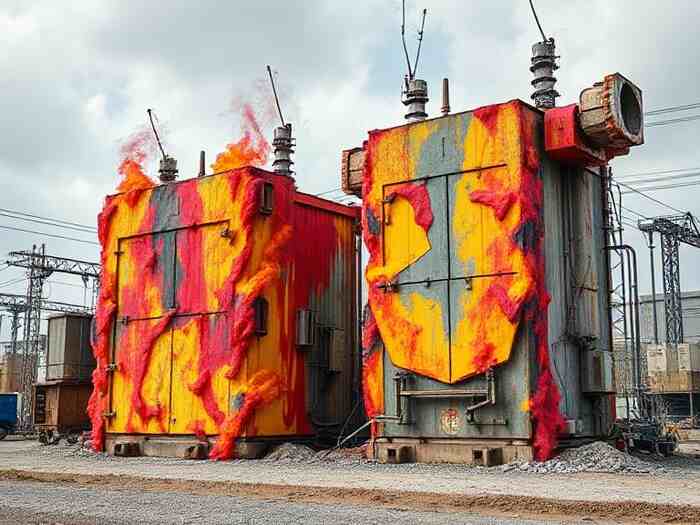
Transformers are critical components in electrical power systems, enabling the transmission and distribution of electricity across vast distances. However, these devices operate under high voltage and carry inherent risks, including the potential for catastrophic failures such as explosions or fires. To mitigate these dangers and protect nearby equipment, infrastructure, and personnel, transformer blast walls are commonly used in substations and industrial sites.
These structures serve as barriers that contain and redirect explosive forces in the event of a transformer failure, reducing the risk of widespread damage and injury. We will explore the purpose, design, and importance of transformer blast walls, helping you understand why they are essential to maintaining safety and operational reliability in electrical installations.
Key Aspects of Transformer Blast Walls and Their Importance
1. Purpose and Functionality of Transformer Blast Walls
Transformer blast walls are engineered barriers designed to protect people, equipment, and buildings from the dangers of transformer failures. When a transformer experiences an internal fault, such as an electrical short circuit or insulation failure, it can lead to a sudden and violent release of energy, sometimes described as a transformer explosion. This event can eject debris, cause fires, and release gases at high pressure. Blast walls serve to contain these effects, preventing them from reaching critical areas or personnel.
The walls are positioned strategically around transformers to shield adjacent equipment and maintain safe distances, minimizing the risk of injury and damage. Beyond just acting as physical barriers, these walls guide explosive energy upwards or away from vulnerable locations, helping to control the direction and impact of the blast.
2. Materials and Design Considerations for Blast Walls
The construction of transformer blast walls involves materials and design techniques selected to withstand extreme conditions. Typically, blast walls are made from reinforced concrete or steel, chosen for their strength, durability, and resistance to heat and pressure. The thickness and height of these walls are carefully calculated based on the size of the transformer they protect and the expected blast forces. A properly designed blast wall must absorb and deflect energy while maintaining its structural integrity during an explosion.
In addition to material strength, engineers consider factors like wall placement and distance from the transformer to maximize effectiveness. Walls are often spaced to allow adequate ventilation and cooling, as transformers generate heat during operation. Thoughtful design ensures that while the wall protects from blasts, it does not interfere with routine maintenance or accessibility.
3. Regulatory and Safety Standards Driving Blast Wall Usage
Implementing transformer blast walls is guided by safety regulations and industry standards that aim to reduce the risk of accidents and injuries. Electrical utilities, industrial facilities, and regulatory bodies have developed guidelines specifying when and how blast walls should be used. These standards consider transformer size, voltage, and site layout to determine the necessity of protective barriers. Compliance with such standards is crucial not only for safety but also for legal and insurance purposes.
Organizations like the National Fire Protection Association (NFPA) and the Institute of Electrical and Electronics Engineers (IEEE) provide recommendations and codes that influence blast wall requirements. Adhering to these standards helps ensure that transformer installations meet accepted safety criteria and minimize the risk of catastrophic failures affecting personnel and infrastructure.
4. Benefits Beyond Safety: Operational and Financial Advantages
While the primary purpose of transformer blast walls is safety, they also offer operational and financial benefits for facilities managing electrical infrastructure. By containing transformer failures, blast walls reduce the likelihood of extensive damage to other critical equipment or structures, helping to limit costly repairs and downtime. This containment allows quicker recovery after an incident, ensuring that power restoration or industrial processes can resume sooner.
Furthermore, the presence of blast walls can positively impact insurance premiums by demonstrating proactive risk management. Investing in protective measures such as blast walls can contribute to long-term cost savings and operational resilience in facilities where reliability and continuous operation are vital. These advantages underline the importance of viewing blast walls as safety features and integral parts of a facility’s risk mitigation strategy.
Challenges and Considerations for Implementing Blast Walls
Despite their benefits, designing and installing transformer blast walls have challenges and practical considerations. Space constraints can be a significant issue, especially in urban or crowded industrial environments with limited land. Ensuring that blast walls fit within the available area while providing adequate protection requires careful planning. Blast walls must be integrated with other site infrastructure, including access roads, drainage systems, and electrical connections, without obstructing necessary operations.
Maintenance is another factor; while blast walls are built to be robust, they may require periodic inspection to ensure structural soundness and address any weather-related wear. Balancing safety requirements with logistical and operational needs is critical to successful blast wall implementation, demanding collaboration between engineers, facility managers, and safety personnel.
Transformer blast walls are vital in maintaining safety and reliability in electrical power systems. They act as protective barriers that contain the effects of transformer failures, preventing damage and injury by controlling explosive forces and debris. Constructed from durable materials and designed according to specific engineering standards, these walls help utilities and industrial facilities meet safety regulations while supporting operational continuity.
Beyond safety, blast walls offer financial advantages by reducing repair costs and downtime, making them a smart investment for risk management. Although their design and installation challenges exist, careful planning ensures that blast walls provide effective protection without compromising facility functionality. Understanding the importance and function of transformer blast walls is essential for anyone involved in electrical infrastructure, highlighting their critical role in safeguarding people, equipment, and operations.
