


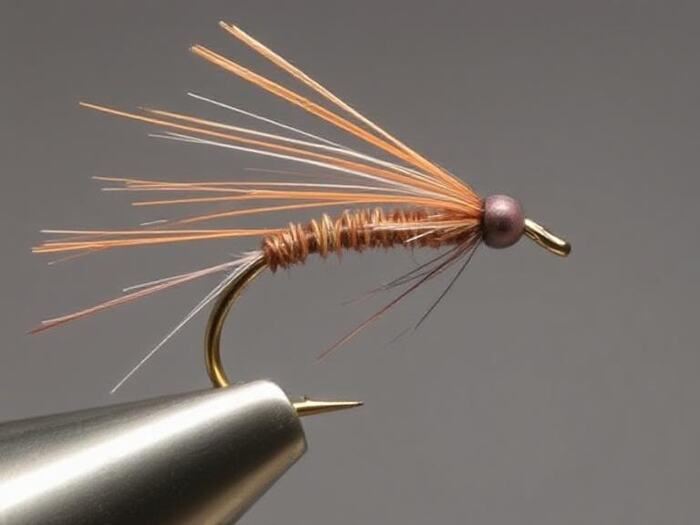
Fly tying is an intricate and rewarding aspect of fly fishing that allows anglers to create their own custom flies to match various fishing conditions and target species. Precision, patience, and creativity are essential components in the art of fly tying. The tools you choose can have a significant impact on the quality and ease of your work. The centerpiece of these tools is undoubtedly the fly tying vise, a crucial investment for anyone serious about mastering fly tying. Keep reading to explore how selecting the right vise can elevate your fly tying skills to the next level.
Exploring the Craft of Fly Tying: Key Tools for Mastery
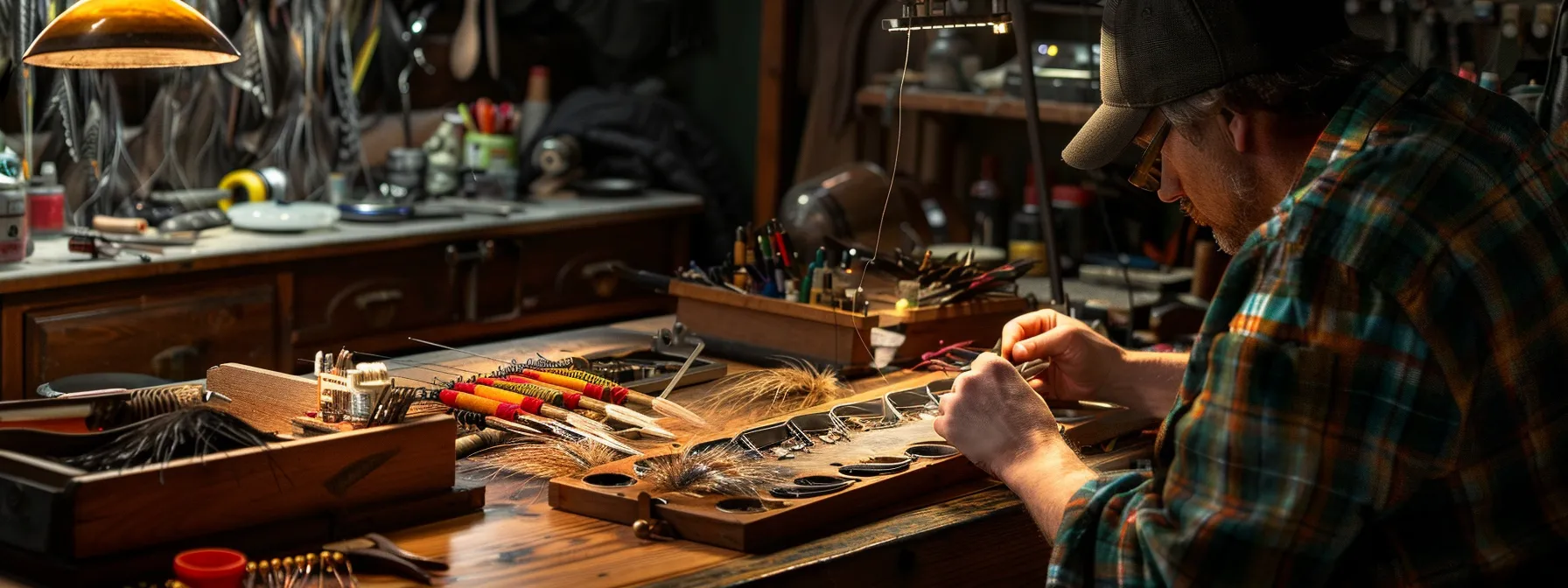
Fly tying is a centuries-old craft that blends creativity with precision. Key tools, like scissors, hackle pliers, bobbin holders, and especially a reliable fly tying vise, are essential for securing hooks and applying materials accurately. Quality tools often matter more than quantity, as durable, well-made equipment enhances both the tying experience and the final result. Selecting the right materials, feathers, threads, and beads also plays a crucial role in crafting effective flies.
For beginners, fly tying can feel challenging, but skill develops with practice and patience. Starting with simple patterns and gradually tackling more complex designs helps build confidence and technique. Understanding how different materials behave in water is important, as their movement can make a fly more attractive to fish. Every fly tied, no matter how basic, contributes to improving skill and mastery of the craft.
The Right Vise for You: Assessing Quality and Features
Choosing the right fly tying vise is essential for a productive and enjoyable tying experience. A high-quality vise, often made from stainless steel or aircraft-grade aluminum, provides stability and durability. Key considerations include the range of hook sizes the vise can hold and its adjustability, allowing for rotation and different angles during intricate work.
The clamping mechanism, whether lever-action or screw-tightened, affects ease of use, while built-in material holders and accessory posts keep tools within reach. Selecting a vise that suits your tying style and the types of flies you create ensures efficiency and convenience, supporting consistent, precise work over time.
Advanced Techniques in Fly Tying: The Role of a Vise
Advanced fly tying requires precision, making a reliable vise essential for complex patterns. Techniques like spinning deer hair for bass bugs or forming delicate dry fly wings depend on stability and accessibility, with rotary vises aiding even material application around the hook shank, particularly for nymphs and streamers.
For intricate patterns, a vise acts as an extension of the tier’s hand, allowing consistent tension, positioning, and durable results. Many advanced tiers use attachments, such as gallows tools or material clips, enhancing versatility. A well-designed vise enables smooth rotation for delicate wraps and precise heads, improving both the appearance of the flies and the tying experience, encouraging experimentation and mastery of advanced techniques.
Maintaining Your Fly Tying Vise for Optimal Performance

A well-maintained fly tying vise ensures precision and reliability during tying sessions, much like a properly cared-for fishing rod improves performance on the water. Regular maintenance, including cleaning the jaws and tightening loose components, prevents wear and extends the vise’s lifespan. Lubricating moving parts keeps the rotation smooth, but over-oiling should be avoided to prevent dust and debris accumulation.
Proper storage, whether fully assembled or carefully dismantled, protects the vise from moisture and extreme temperatures, maintaining its condition. For frequent tiers, vises with replaceable parts are valuable, allowing worn components like jaws to be swapped out and accommodating different hook types, ensuring the tool remains adaptable and dependable throughout the fly tying process.
From Novice to Expert: How the Perfect Vise Transforms Your Fly Tying Skills
The journey from novice to expert fly tier involves countless hours at the vise, refining skills and mastering techniques. A quality vise provides stability and flexibility, enabling tiers to focus on improving each creation. Beginners often start with a simple fixed model, while more advanced tiers may require vises with enhanced features to explore different styles and techniques.
Using a well-made vise fosters confidence, directly impacting the precision, durability, and effectiveness of the flies produced. For serious tiers, the pursuit of the perfect fly is ongoing, and the vise acts as a reliable partner. It reflects the tier’s dedication to the craft, supporting creativity and the development of functional, artistic flies.
Altogether, the impact of a high-quality fly tying vise on the progression of one’s skills cannot be overstated. From ensuring the precision of each wrap to contributing to the satisfaction of the fly tying experience, the right vise is instrumental to success. Whether you are just starting or looking to elevate your craft, investing in a vise that meets your needs is a choice that pays dividends in the beautiful art of fly tying.
