


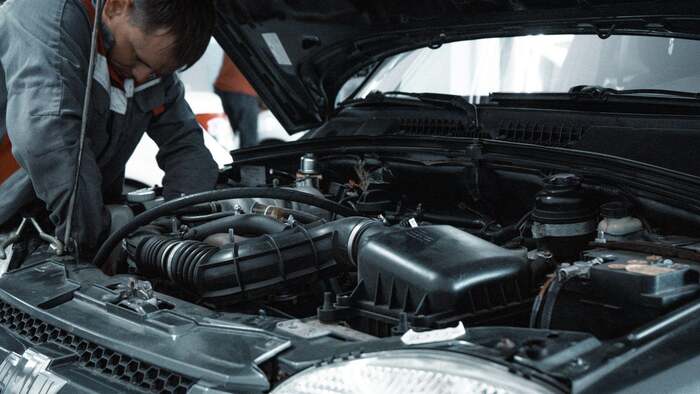
We all want to save money when fixing our cars. Buying used car parts is a smart way to cut costs. They’re often cheaper than new parts, and sometimes, they’re the only way to get rare parts that are no longer made.
But let’s face it: buying used parts comes with risks. You might get a part that doesn’t fit your vehicle. Or worse, it could be worn out or damaged.
That’s why we need to know what to check before we buy.
In this guide, we’ll walk you through everything you should check to make sure you get the right part without wasting time or money.
1. Verify Part Compatibility
Before purchasing, ensure the part fits your vehicle.
Here’s what to do:
- Check that the part matches your make, model, and year.
- Look for the OEM (Original Equipment Manufacturer) number. This number makes sure the part is a direct replacement, especially for complex components like auto transmission parts.
- You can find this number in your vehicle’s manual, on the part itself, or by asking a mechanic.
If you’re unsure, consult a trusted mechanic or use online parts databases to verify the information.
2. Inspect the Physical Condition of the Part
You need to examine every inch of the part you want to buy. Look for obvious signs of wear or damage, such as cracks, dents, or rust spots. These problems often worsen over time and can lead to the part failing.
Inspect for wear patterns that impact the part’s performance. A good visual check includes:
- Cracks, dents, rust, or corrosion
- Wear and tear on important areas (like brake pads, hoses, or belts)
- Cleanliness — Engine parts shouldn’t be too greasy or oily
- Seals and gaskets — make sure they aren’t cracked or leaking
- Connectors — especially for electrical parts
If the part looks bad, it probably won’t last long.
3. Confirm Functionality
Testing used parts before you buy them protects you from expensive mistakes. You can ask sellers to demonstrate electrical components, such as alternators or starter motors.
Moving parts need to operate smoothly. Suspension components should move freely without grinding or sticking. Window regulators should raise and lower without jerking.
For electronic parts, you want to verify they don’t trigger error codes. Many sellers have diagnostic tools available to properly test these components.
4. Source Reliability and Documentation
Where you buy matters.
We recommend:
- Buying from reputable sellers or salvage yards with good reviews.
- Asking for service records or maintenance history for the part, if available.
- Requesting details about any warranty or return policy.
- Avoiding parts from cars that were in major accidents or floods — these can have hidden damage.
Quick Guide on What to Ask Sellers
Do you offer any warranty?
Can we return the part if it doesn’t work?
Was the donor vehicle in an accident?
Do you have maintenance records?
A good seller should answer your questions clearly and provide the necessary paperwork upon request.
5. Check for Signs of Previous Repairs or Modifications
Sometimes, parts are repaired or modified before they’re sold.
Look for:
- Mismatched paint or weld marks that show it was fixed or altered
- Non-standard fittings or aftermarket modifications— these might not fit properly or be incompatible with your vehicle’s system
- Any DIY repairs that don’t look professional
Avoid parts that look badly fixed. Sloppy repairs often fail quickly and can damage other components in our car.
6. Price Evaluation
You need to compare prices across multiple sources. Check the cost of new parts, then compare it with the prices offered by several used parts dealers. This research helps you spot good deals and avoid overpriced items.
Consider the total cost of ownership. A used part that costs half the price of a new one might seem like a great deal. But if it only lasts half as long, you still won’t save any money.
Factor in warranty coverage when comparing prices. A slightly more expensive used part with a warranty often provides better value than a cheaper part without protection.
7. Additional Tips for Specific Parts
Different parts need different checks.
Here’s a quick breakdown:
| Part Type | What to Check |
| Engine Components | Look for leaks, odd noises, and rust. |
| Electrical Parts | Inspect wiring, connectors, and test for proper function. |
| Body Parts | Check for rust, dents, and make sure it fits well. |
| Tires and Wheels | Check tread depth, even wear, and for cracks or bulges. |
Each part has its own common issues. Take the time to check these carefully.
Wrapping Up
Buying used or second-hand car parts and accessories can be an excellent strategy to help you save money and even find rare parts that are otherwise difficult to obtain new.
However, it’s essential to be cautious.
- Verify compatibility before buying.
- Inspect the part for damage and test it if possible.
- Buy from reliable sellers with good reviews and warranties.
- Check for signs of repairs or modifications that might cause problems.
- Compare prices but focus on value, not just the cheapest option.
Take time to inspect parts thoroughly, ask the right questions, and buy from reputable sources. If you are unsure about a part’s condition or compatibility, consult a trusted mechanic for guidance. Their expertise in this field can prevent costly mistakes and, most importantly, keep you safe on the road.
By following these steps, you can save money on used parts while maintaining the reliability of your vehicle. The key is striking a balance between savings, safety, and quality.
