


Rebuilding life after addiction demands a solid foundation. At the core of this journey lies the power of a structured routine; a framework that can provide the stability, purpose, and self-care needed to overcome challenges and forge a fulfilling, sober life.
By understanding the importance of routine, establishing gradual changes, and broadening the scope of your recovery, you can create a healthy, sustainable path forward. This article will guide you through the essential steps to create a routine that supports your physical, mental, and emotional well-being, enabling you to reclaim your life with confidence.
The Importance of a Structured Routine in Recovery
Establishing a consistent daily schedule is crucial for long-term sobriety. A well-designed routine not only prevents relapse but also supports overall physical and mental well-being. It can improve sleep, boost mood, and foster a sense of accomplishment which are all essential components of a sustainable recovery journey.
Beyond just abstaining from substances or behaviors, recovery is about rebuilding your life, reclaiming your health, and rediscovering your true self. A structured routine provides the stability, purpose, and self-care needed to overcome the challenges of addiction.
It serves as a framework to help you navigate the ups and downs, enabling you to create a fulfilling, sober life. Adopting a structured routine is a transformative step in your recovery process.
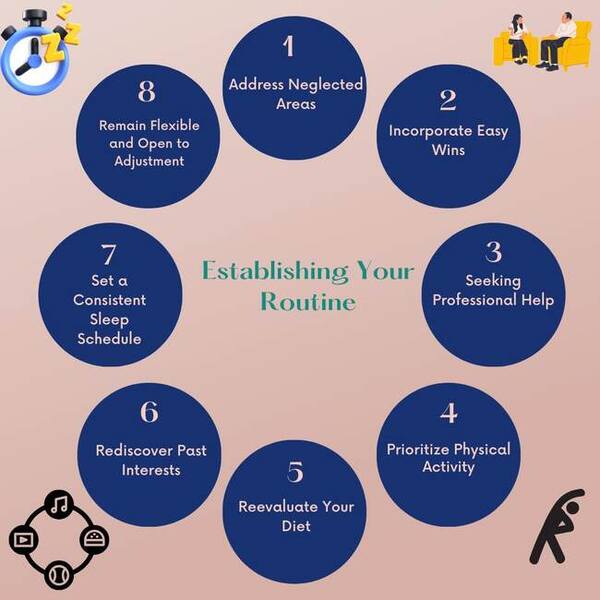
Establishing Your Routine
Overhauling your life overnight can be overwhelming and lead to burnout. Instead, focus on implementing gradual changes that are manageable and sustainable. Start small, and allow your routine to evolve organically as you discover what works best for you.
Address Neglected Areas
Take a moment to reflect on the aspects of your life that may have been overlooked or neglected during the grip of addiction, such as personal hygiene, nutrition, or social interactions. Begin to reintroduce these elements into your daily routine, one step at a time.
Incorporate Easy Wins
Adding simple, achievable tasks to your routine can build momentum and a sense of accomplishment. These easy wins could be as simple as making your bed, drinking a glass of water, or taking a short walk.
Seeking Professional Help
Part of establishing a new routine may involve seeking additional support. If you’re considering incorporating professional help into your recovery plan, looking for a rehab near me can be a proactive step. Finding a rehabilitation center nearby can provide access to resources, support groups, and personalized guidance that aligns with your journey toward a healthier routine.
Prioritize Physical Activity
Regular exercise helps in reducing the risk of relapse and improves overall mental health. Start with manageable activities like a daily walk or gentle stretching, and gradually increase the intensity as you build strength and endurance.
Reevaluate Your Diet
What you put into your body can have a profound impact on your physical and mental well-being during recovery. Focus on incorporating more nutritious foods, such as fruits, vegetables, and lean proteins, to support your healing process. Small, sustainable dietary changes can lead to a 25% decrease in depressive symptoms.
Rediscover Past Interests
Reconnecting with hobbies or interests that were sidelined by addiction can help fill your time constructively and rediscover aspects of yourself that may have been lost. Engaging in activities you genuinely enjoy can provide a sense of purpose and fulfillment.
Set a Consistent Sleep Schedule
Establishing a regular sleep-wake cycle is crucial for overall well-being and can provide structure to your days. Aim for 7-9 hours of quality sleep each night to support your body’s natural rhythms.
Remain Flexible and Open to Adjustment
As you begin to implement your routine, remain open to adjustments and modifications. What works for you today may need to be tweaked tomorrow. Be willing to adapt your schedule as you discover what helps you thrive.
Balancing Work, Wellness, and Relationships
While a structured personal routine is the foundation of your recovery, it’s essential to consider the broader aspects of your life that contribute to overall well-being. As you progress, focus on cultivating a healthy work-life balance, nurturing your mental health, and rebuilding meaningful relationships.
Work-Life Balance
Balancing professional commitments, personal responsibilities, and leisure time is crucial for a well-rounded recovery experience. Prioritizing this equilibrium can foster a sense of purpose and fulfillment, supporting your long-term sobriety.
Mindfulness and Stress Management
Integrating mindfulness practices and effective stress management techniques into your routine can nurture your mental well-being and enhance emotional resilience. These tools empower you to navigate the challenges of recovery with greater clarity and inner calm.
Nurturing Healthy Relationships
Cultivating supportive relationships with friends, family, and fellow recovery individuals, including participation in support groups, can provide a sense of community and belonging that is essential for long-term sobriety. These connections provide encouragement and a network of understanding.
Managing Free Time and Boredom
Strategizing engagement in hobbies, social activities, and volunteer work can help avoid boredom and potential relapse triggers. Staying actively engaged in meaningful pursuits is a crucial aspect of a balanced recovery routine.
Tools for Structured Living
Utilizing organizational tools such as journals, calendars, and apps can help you maintain focus on your recovery goals and ensure that your routine remains organized and on track. These resources empower you to stay accountable and effectively manage your time.
Cultivating a Healthy Mindset
At the heart of a successful recovery journey lies a profound shift in mindset. It’s not enough to simply change your behaviors; you must also alter the way you perceive yourself and your circumstances. By cultivating a healthy mindset, you can build the resilience, self-compassion, and growth-oriented perspective needed to navigate the challenges of addiction recovery.
Mindset Matters
Embarking on the journey of addiction recovery requires a profound shift in mindset. It’s not just about changing your behaviors, but also altering the way you perceive yourself and your circumstances. Reframing your perspective can cultivate a mindset supporting long-term recovery.
One key aspect of this is learning to approach setbacks with compassion rather than self-criticism. Relapses are a common part of the recovery process, and it’s important to acknowledge them without judgment. When faced with a slip-up, take a step back, reflect on the triggers or circumstances that led to it, and adjust your routine accordingly. View these moments as opportunities for growth, not failures.
Additionally, it’s crucial to celebrate your progress, no matter how small. Recognize that recovery is not a linear path and even the smallest victories are worth acknowledging. This positive reinforcement can help build your resilience and foster a sense of accomplishment.
Embracing a Growth Mindset
Closely tied to this is the concept of a growth mindset. Rather than viewing your abilities and potential as fixed, adopt the belief that you can continuously learn, adapt, and improve. This mindset shift empowers you to approach challenges as opportunities for learning and development, rather than obstacles to overcome.
By cultivating a growth mindset, you can view setbacks as temporary roadblocks, not permanent limitations. This perspective allows openness to feedback, trying new approaches, and persisting in adversity, all essential qualities for successful long-term recovery.
All About the Journey of Recovery
Ultimately, the path to addiction recovery is a deeply personal and transformative experience. By cultivating a structured routine, maintaining a balanced lifestyle, and nurturing a healthy mindset, you can create a solid foundation for long-term sobriety. Remember, this journey is not about perfection, but progress.
Celebrate your small victories, embrace setbacks as opportunities for growth, and trust in your inherent resilience. With each step forward, you reclaim your power and rediscover the essence of who you truly are.
Addiction may have taken a toll, but through your commitment and the support of your newfound routine, you can emerge stronger, more authentic, and fully empowered to write the next chapter of your life.
| Section | Summary |
| Establishing Your Routine | ● Implement gradual, sustainable changes rather than overhauling life overnight
● Address neglected areas like hygiene, nutrition, and social interactions, Incorporate easy, achievable tasks to build momentum ● Prioritize physical activity and healthy eating ● Reconnect with past interests and hobbies ● Establish a consistent sleep schedule ● Remain flexible and open to adjustments |
| Balancing Work, Wellness, and Relationships | ● Maintain a healthy work-life balance to foster purpose and fulfillment
● Integrate mindfulness and stress management practices ● Cultivate supportive relationships and participate in recovery support groups ● Develop strategies to engage in meaningful hobbies and activities Utilize organizational tools to stay focused on recovery goals |
| Cultivating a Healthy Mindset | ● Shift perspective by reframing setbacks as opportunities for growth
● Adopt a growth mindset to view challenges as chances to learn and improve ● Celebrate progress, no matter how small, to build resilience and accomplishment |
Conclusion
Adopting a structured routine is a powerful tool in your addiction recovery toolkit. Start small, address neglected areas, and gradually expand the scope of your recovery. Remember, progress is not linear, so be kind to yourself and remain flexible.
Trust in the transformative power of a healthy, balanced routine, and celebrate even the smallest steps forward. With resilience and perseverance, you can navigate setbacks and maintain the motivation to create a fulfilling, sober life.
Frequently Asked Questions
1. How do I balance flexibility with the need for a structured routine in recovery?
The key is to find a harmonious blend of structure and flexibility. While a consistent routine provides stability, being too rigid can lead to burnout. Embrace gradual changes, be open to adjustments, and remember that your routine should evolve as your needs and preferences change.
2. What are some strategies for dealing with cravings and triggers when establishing a new routine?
When cravings or triggers arise, have a plan in place. This could include engaging in a healthy distraction, practicing mindfulness exercises, or reaching out to your support network. Identifying and avoiding high-risk situations can also help mitigate the impact of cravings.
3. How can I rebuild my social life and relationships post-addiction?
Start by reconnecting with supportive friends and family members who can provide a safe, non-judgmental environment. Participate in recovery-focused support groups to build a new network of individuals who understand your journey. Gradually reintegrate into social activities that align with your values and recovery goals.
4. What if I slip up and experience a relapse? How do I get back on track?
Relapse is a common part of the recovery process, and it doesn’t mean failure. Acknowledge the setback, identify the triggers or circumstances that led to it, and adjust your routine accordingly. Seek additional support, whether from a therapist, support group, or loved ones, to help you get back on track.
5. How do I ensure that my new routine doesn’t become a source of stress or anxiety?
Balance is key. While a structured routine provides stability, it’s important to leave room for flexibility and self-care. Regularly review your schedule, prioritize activities that bring you joy and fulfillment, and don’t be afraid to make changes as needed to maintain a healthy, sustainable routine.
6. What are some tips for incorporating physical activity into my daily routine?
Start small and build up gradually. Even light exercise, like a daily walk, can have a significant impact on your physical and mental well-being. Explore different activities, from yoga to hiking, to find what you enjoy and can stick with consistently.
7. How can I involve my family and friends in supporting my new routine?
Communicate openly about your recovery goals and the importance of a structured routine. Invite your loved ones to participate in activities or offer practical assistance, such as meal planning or scheduling. Involving your support system can strengthen your accountability and encourage you along the way.
8. What if I struggle to find motivation to stick to my routine?
Recognize that motivation ebbs and flows, and that’s okay. On days when it’s harder to follow your routine, focus on the small, achievable tasks and celebrate your progress, no matter how small. Remind yourself of the long-term benefits and the progress you’ve already made.
9. How can I make my routine more engaging and enjoyable?
Incorporate activities that you genuinely find fulfilling, whether it’s listening to music, trying a new recipe, or exploring a new hobby. Experiment with different approaches and be open to trying new things. Keeping your routine dynamic and aligned with your interests can make it feel less like a chore and more like a rewarding part of your day.
10. What role do support groups play in maintaining a healthy routine during recovery?
Participating in support groups, such as 12-step programs or other peer-led communities, can provide valuable accountability, encouragement, and practical tips for building and maintaining a structured routine. The sense of community and shared experiences can be instrumental in navigating the ups and downs of the recovery process.
11. How can I ensure that my routine supports my long-term career or educational goals?
As you establish your routine, consider how it aligns with your professional or academic aspirations. Incorporate activities that support your skill development, productivity, and work-life balance. Seek guidance from mentors, career counselors, or recovery coaches to help you strike the right balance.
12. What if I struggle with relapses or setbacks in my routine? How do I stay motivated?
Relapses are normal in recovery. Approach them with compassion, revisit your routine, identify triggers, and adjust as needed. Celebrate small wins and remember that progress isn’t linear. Resilience and perseverance are key to navigating setbacks and staying motivated.
