


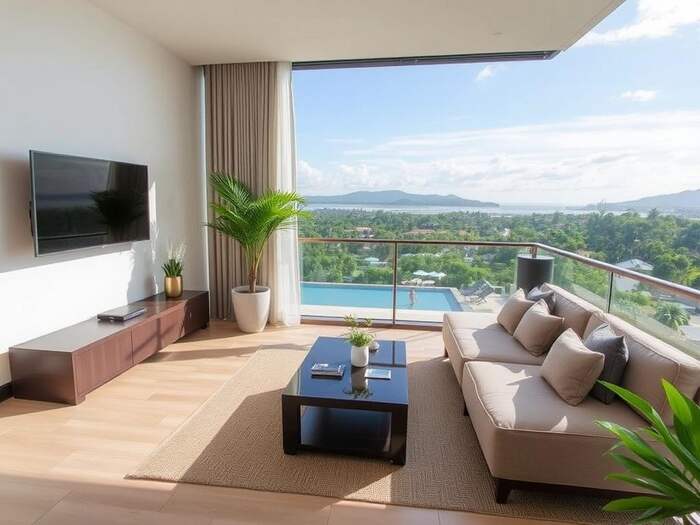
Phuket seduces with white sand, year-round warmth, and a wildly varied property market. Whether you picture early-morning swims, rental income charts, or a winter escape, the choices you make now shape both your returns and your daily life. This article walks you through how to evaluate an apartment for sale in Phuket Thailand from both investment and lifestyle perspectives, blending practical checklists, neighborhood comparisons, legal realities, and real-world examples. If you want to buy an apartment for sale in Phuket Thailand that balances money sense with real enjoyment, read on.
Understanding the dual mindset: investment versus lifestyle
Buying property in Phuket is rarely only one thing. For many people it’s a financial asset; for others it’s part of a life plan. Treating the purchase as both investment and home requires different priorities running in parallel. An investor focuses on yield, appreciation potential, and liquidity. A lifestyle buyer emphasizes daily comfort, convenience, view, and how the place feels on weekdays and weekends. Good decisions come from mapping those two sets of priorities against each other. Some units deliver strong rental returns but compromise on privacy or finish quality; others feel perfect for living yet struggle to attract tourists for short-term lets.
Why balancing both matters in Phuket
Phuket’s market is driven by tourism, expat living, and second-home buyers. That mix can amplify returns during good seasons and expose you to volatility during dips. If you buy only for resale, you may miss the everyday benefits that make ownership enjoyable. Conversely, if you buy purely for lifestyle without checking rental demand, you could be stuck with a slow-selling asset when you need liquidity. Balancing both perspectives reduces risk and increases the chance that the apartment works for you under different circumstances.
Market snapshot: what to know about Phuket right now
The island is not one homogeneous market; it’s a collection of micro-markets varying by beach, town, and infrastructure. Prices, rental demand, and buyer profiles differ from Patong’s bustle to Phuket Town’s creative quarter. Developments range from luxury beachfront complexes to modest condo blocks inland. Supply often fluctuates with new projects targeting international buyers or long-stay tourists, so watch new building completions and foreign ownership quotas in specific condominiums. Seasonality affects occupancy rates and short-term rental pricing. Understanding annual visitor flows and long-term tourism trends will help set realistic expectations for rental income and resale demand.
Legal and ownership basics for foreign buyers
Thailand’s property law shapes what foreigners can and cannot own. For many international buyers, condominiums present the simplest route to freehold ownership, while land and houses typically require leaseholds or company structures. Under current regulations, foreigners may own condominium units freehold so long as the building’s foreign quota (commonly up to 49% of units) is not fully allocated. Units outside that quota or land parcels generally need different ownership structures. Leaseholds are common and often granted for 30 years with renewable options. When you encounter leasehold offers, pay attention to enforceability, renewal clauses, and transfer rules—these determine both lifestyle flexibility and resale value.
Key documents to verify
Ask to see the title deed (chanote or nor sor 3) or condominium juristic person documents and the building’s foreign ownership status. A clear title and up-to-date land department records are non-negotiable. Check the condo’s condominium act registration, the minutes of homeowners’ association meetings, and financial statements showing maintenance fee reserves. These reveal management quality and likelihood of special assessments.
Location first: choosing the right neighborhood
Location will dictate most of your experience: commute times, type of tenant, noise levels, and resale profile. On Phuket the keyword is nuance—two apartments a few kilometers apart can feel like different countries. Decide early whether you prefer beach proximity, nightlife, quiet family beaches, or proximity to Phuket International Airport. Your choice will affect both lifestyle and the types of renters you can expect.
Neighborhood comparison
| Area | Vibe | Typical buyer | Strengths |
| Patong | Busy, nightlife | Short-term rental investors, party seekers | High rental demand, strong tourist flow |
| Kata/Karon | Family-friendly beaches | Families, lifestyle buyers | Stable holiday demand, quieter evenings |
| Kamala/Surin | Upscale, resort-style | Luxury buyers, longer-stay tourists | Higher price per sqm, premium tenants |
| Rawai/Chalong | Laid-back, local feel | Long-term expats, retirees | Lower prices, community vibe |
| Phuket Town | Cultural, urban | Digital nomads, creatives | Year-round rental demand, growing cafés and co-working |
This table highlights broad tendencies. Within each area you’ll find pockets—quiet streets, cliff-top resorts, or busy beachfront strips—so always visit and compare specific blocks and complexes.
Building and unit features that matter for both sides
For investment and lifestyle, the unit’s practical features are where the rubber meets the road. Layout, finish quality, ventilation, and view affect daily comfort and the attractiveness to renters. Look for efficient floor plans where living space and bedrooms are proportionate. Units with open-plan living, usable balconies, and natural light rent better and feel more spacious than cramped alternatives. From a building perspective, amenities like pools, gyms, and on-site management increase short-term rental appeal but raise monthly maintenance fees. Evaluate whether these amenities will actually translate into higher occupancy or just cost more.
Essential checklist for the unit
- Orientation and natural light—does it get morning sun or baking afternoon heat?
- Soundproofing—are there noisy neighbors, traffic, or nightlife nearby?
- Storage and usable kitchen space—important for longer-term stays.
- Balcony or outdoor area—highly desirable in a tropical climate.
- Condition of finishes and need for refurbishment—factor renovation costs in your budget.
Don’t let glossy renderings or model units be the only basis for decision-making. Visit the actual unit at different times of day and ask to see a resale unit in the same building if possible.
Financials: how to estimate returns realistically
Return calculations must include purchase price, ongoing costs, realistic rental income, vacancy, and projected appreciation. Avoid relying on marketing brochures; use market data and conservative assumptions. Two common metrics are gross rental yield and net yield. Gross yield is simple to calculate; net yield incorporates expenses and is more informative for comparing opportunities. Here’s a simple formula and an illustrative example to make this concrete.
Basic calculations and an example
Gross rental yield = (Annual rental income / Purchase price) × 100. Net yield = ((Annual rental income − Annual expenses) / Purchase price) × 100. Use conservative occupancy and rate assumptions tied to recent market data. Example: suppose purchase price is THB 4,500,000 and expected long-term monthly rent is THB 30,000 with 70% occupancy annually. Annual effective rent = 30,000 × 12 × 0.70 = THB 252,000. Gross yield = 252,000 / 4,500,000 = 5.6%. If annual expenses (maintenance, management, utilities, insurance, reserves) total THB 72,000, net yield = (252,000 − 72,000) / 4,500,000 = 4.0%. This is a simplified example; adjust variables for your situation.
Understanding fees and ongoing costs
Condo buyers should expect monthly service charges and a one-time sinking fund contribution. These fees go to building maintenance, security, landscaping, and amenity upkeep. Also budget for insurance, property management fees if you intend to rent, utility bills for common areas, and an allowance for unexpected repairs. Good developments report transparent budgets; obscure or inconsistent accounts are a red flag. Expect special assessments if the reserve fund is insufficient. Ask the developer or juristic person about recent major expenditures and whether a reserve fund target exists.
Typical transactional costs
When transferring property in Thailand, buyers and sellers usually split certain official costs, but practices vary. Typical items you’ll encounter include transfer fees and documentary taxes. Common costs include a transfer fee (often around 2% of the registered sale price according to the Land Department) and either stamp duty or specific business tax, depending on the seller’s situation. Withholding tax may apply to sellers and can affect net proceeds. Rules and rates can change; always confirm current figures with your lawyer or the Land Department to avoid surprises at closing.
Financing options and considerations
Many buyers of apartments for sale in phuket thailand pay cash, but financing is possible through Thai banks, international lenders, or home-country mortgages. Each route has pros and cons related to rate, term, and currency exposure. Thai banks sometimes lend to foreigners against condominium units under specific conditions; lending is generally conservative and may require higher down payments. Interest rates and loan-to-value ratios depend on the borrower’s residency, income documentation, and bank policies. If you plan to finance through an overseas mortgage, factor in currency risk. A loan in a different currency may create payment volatility if exchange rates shift.
Practical tips on financing
Get pre-approval where possible so you know your budget when negotiating. Compare total cost of borrowing including arrangement fees, early repayment penalties, and currency conversion costs. If using leverage to boost returns, stress-test your cash flow under different occupancy scenarios to ensure you can service the loan during low seasons or unexpected vacancies.
Tax implications and reporting
Rental income earned in Thailand is subject to Thai income tax and must be reported. Nonresidents and residents are taxed differently, and allowable deductions include certain expenses directly related to rental activity. Capital gains are not subject to a separate capital gains tax in Thailand, but profit on sale can be affected by specific business tax, stamp duty, and withholding tax calculations depending on the seller’s profile and holding period. International buyers should consider tax residency implications both in Thailand and in their home country. Cross-border tax rules can be complex and mistakes are costly.
Get professional tax advice
Because tax rules change and individual situations differ, consult a qualified Thai tax advisor or accountant before purchasing. They can help structure ownership, forecast annual tax obligations, and advise on reporting requirements in your home jurisdiction. Proper tax planning can materially affect net returns and prevent unpleasant surprises when you begin renting or decide to sell.
Short-term rental market and property management
Short-term rentals (Airbnb-style) can produce attractive nightly rates, particularly near beaches and tourist attractions. However, short lets require active management, frequent cleaning, and marketing to maintain occupancy. If you intend to run short-term rentals, choose a building that permits them; some developments restrict short-term leases or require hotel-style operations. Check strata rules and local ordinances before assuming high nightly yields are realistic. Professional property management firms handle guest communication, cleaning, and maintenance but charge a percentage of revenue—typically 20%–40% depending on services. Factor this into net yield calculations.
Example of a management cost breakdown
- Property manager commission: 15%–30% of rental gross
- Cleaning and linen: fixed fee per booking or monthly
- Marketing and booking platform fees: 3%–15%
- Maintenance reserve: monthly accrual for repairs and replacements
Good managers can increase occupancy and maintain property standards, but even with professional help you should monitor performance and guest feedback regularly.
Seasonality, occupancy and demand forecasting
Phuket’s tourism peaks and troughs shape rental income. High season generally sees strong nightly rates while low season can have much lower demand. Knowing these cycles is essential to realistic forecasts. Different neighborhoods experience seasonality differently. Beachfront tourist hubs may have marked high seasons, while Phuket Town often enjoys steadier long-term rental demand from digital nomads and local tenants. Evaluate historical occupancy data and consult local agents for average rates and vacancy assumptions. Don’t assume year-round high occupancy simply because a place is on the beach.
Resale and exit strategy
Before buying, consider how easy it will be to resell the unit in five to ten years. Liquidity depends on location, developer reputation, building condition, and market cycles. Investments with clear freehold titles in desirable locations generally resell faster. Leasehold agreements that are nearing expiration or lack transparent renewal processes can be harder to market. Create at least two exit scenarios: a lifestyle exit (sell when you want to stop using the place) and a financial exit (sell to meet cash needs). Plan around both outcomes.
Real-life example from an inspection
I once toured two identical units by a popular beach: one in a well-managed building with low foreign quota and the other in a newer complex with aggressive sales prices. The first had steady resale history and conservative management; the second offered a higher first-year rental but already showed high turnover and deferred maintenance. Investors who picked the second for yield later faced long resale times when the market softened, while buyers of the first had a smoother long-term outcome. That experience reinforced balancing immediate returns against management and title clarity.
Inspection and due diligence checklist
An effective inspection goes beyond cosmetic appeal. Check structural issues, waterproofing, plumbing, electrical work, and evidence of mold or insect problems common in tropical climates. Ask for maintenance history, renovation receipts, and certificates for installed equipment like air conditioners and water heaters. Verify that legal occupancy permits and building certifications are in place. Use a professional inspector if you’re not comfortable with technical assessments. A small inspection fee can reveal costly defects you don’t want to inherit.
Documentation checklist
- Title deed and Land Department extracts
- Condominium juristic person documents and financials
- Sales contract and developer warranties
- Utility bills and evidence of paid maintenance fees
- Building permits and occupancy certificates
Retain copies of everything and have your lawyer translate and explain key clauses. Clear documentation reduces ambiguity at closing and when you decide to rent or sell.
Negotiation and timing your purchase
Timing the market perfectly is rare, but you can create advantages. Developers will often discount near completion or during market slowdowns, while resale units might be negotiable if the seller is motivated. Know comparable recent transactions in the building and neighborhood. Pricing context gives you leverage and prevents overpaying based on staged model apartments or glossy marketing materials. Consider non-price negotiation points such as included furnishings, covered parking, or a contribution to transfer fees. These extras improve immediate usability and reduce upfront cash requirements.
Working with agents, lawyers and managers
Choose professionals with local experience and proven track records. Let an agent show you multiple options rather than biasing your search toward one developer’s inventory. Hire an independent lawyer to review contracts and advise on ownership structure and transfer mechanics. A lawyer will also confirm the developer’s promised amenities and legal status before you hand over deposit funds. When you plan to rent, interview property managers and ask for live performance data from properties they manage. References and online reviews reveal operational strengths and weaknesses.
Design and renovation considerations for both use cases
Design choices affect both livability and rental appeal. Neutral color schemes, durable finishes, and flexible furniture make units attractive for a range of tenants and reduce refurbishment costs over time. Open shelving and bespoke fixtures may look trendy in a show unit but can complicate maintenance. Choose finishes that withstand humidity and frequent cleaning, especially if you rent short-term. If renovating, get quotes from local contractors and ask for timelines and warranties. Factor renovation into the total cost and adjust your yield projections accordingly.
Practical lifestyle questions to ask during viewing
Beyond the obvious, ask about noise patterns at different times, delivery access, waste collection schedules, and the reliability of Internet and mobile signals—these shape daily life much more than a view. Check proximity to groceries, hospitals, and international schools if those matter to you. On-island traffic and road conditions can make seemingly short distances take much longer during peak hours. Test simple things: run taps, flush toilets, check water pressure, and ask neighbors about service outages. Small inconveniences frequently become large frustrations over time.
Exit planning: when and how to sell
If you ever need to sell, market timing, fees, and buyer pool matter. Listings marketed only to foreign buyers can limit demand; consider agents with both local and international reach. Prepare the unit for sale with minor touch-ups, professional photos, and accurate listing details that highlight verifiable advantages like clear titles and recent improvements. Anticipate closing costs and any capital repatriation restrictions. If you rented the unit, have records of tenancy and income available to show prospective buyers the property’s earnings history.
Common pitfalls and how to avoid them
Beware of overreliance on developer promises alone. Marketing often highlights best-case scenarios—verify occupancy data, local infrastructure plans, and previous project delivery records. Avoid buying sight unseen if possible. Virtual tours are helpful, but nothing replaces visiting in person across different times of day. If travel is impossible, enlist a trusted local consultant to inspect comprehensively. Don’t ignore small legal clauses in sale contracts related to penalties, transfer timing, or undeclared fees. Small ambiguous terms can become major headaches in closing or later disputes.
Final checklist: buying with both heart and head
Before you sign, run the property through a final checklist that combines lifestyle and investment elements. Confirm title clarity, feasible rental strategy, and that the unit delivers the living quality you expect.
- Title and ownership clarity confirmed by a lawyer
- Realistic rental projections with conservative occupancy
- Transparent maintenance and sinking fund status
- Inspection reports for structure and systems
- Exit scenarios and resale comparables reviewed
When those boxes are checked, you’ll have a clearer sense of how the apartment will perform financially while fitting into your life plans.
Parting advice from experience
On a recent trip to Phuket I inspected five developments in three days and ended up choosing a modest, well-managed unit a little inland rather than a pricier beachfront showpiece. The decision combined quieter daily life with dependable long-term rental demand. Your ideal apartment for sale in phuket thailand will be the one that matches your priorities, not the one with the flashiest brochure. Take your time, verify facts, and build a team you trust. Buying here can be deeply rewarding if you approach it methodically, with both the spreadsheet and the sunset in mind. That balance makes ownership sustainable and enjoyable for years to come, especially when starting your search on the site papaya property.
Read Also: When Is the Best and Worst Time to Visit Thailand?
