


A Distinctive Presence in Aquatic Displays
Betta fish have held the attention of aquarium keepers for many years, admired for their color, movement, and expressive behavior. Among the many varieties available, the elephant ear Betta has drawn particular interest. This type is recognized by its enlarged pectoral fins, which resemble the soft, rounded shape of an elephant’s ears. These fins move with a gentle rhythm, creating a graceful visual effect that sets the fish apart from more common forms.
The appeal of this variety extends beyond appearance. Their movements carry a certain elegance, and their interaction with their surroundings often adds character to even the simplest tank setup. As a result, many enthusiasts regard them as both ornamental and engaging companions within a home aquarium.
Physical Traits and Natural Adaptations
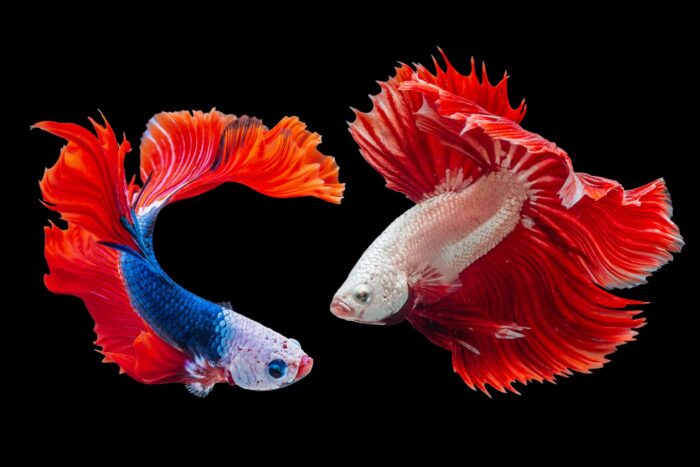
The elephant ear Betta fish belongs to the species Betta splendens, widely known for its striking forms and colors. This particular variety features pectoral fins that are far larger than usual, often spreading outward like delicate fans. These fins may display a range of colors, from deep reds and blues to pale whites and mixed patterns that shift under different lighting.
In terms of size, most individuals grow to around six to seven centimeters. Like other Bettas, they possess a labyrinth organ, which allows them to draw oxygen from the air at the water’s surface. This adaptation supports survival in environments where oxygen levels in the water may be low. It also explains their frequent visits to the surface, a behavior that new keepers sometimes find surprising.
Behavior and Interaction
Despite their refined appearance, elephant ear Bettas show strong territorial instincts. Male fish, in particular, react to perceived threats by spreading their fins and flaring their gill covers. This display is used to assert dominance or to deter rivals. Such behavior has earned Bettas a reputation for aggression, though it is often manageable with thoughtful care.
Beyond territorial displays, these fish can appear responsive to their environment and to the people who care for them. Many keepers notice that their Betta approaches the front of the tank during feeding times or reacts to movement nearby. This level of responsiveness gives the impression of awareness, which adds interest to daily care routines.
Creating a Suitable Living Environment
A well-prepared tank contributes greatly to the health and comfort of an elephant ear Betta. A capacity of at least ten liters allows space for movement without restriction. Stable water temperature, usually between 24 and 28 degrees Celsius, supports their tropical origin.
Tank design often includes plants, ornaments, and shaded areas that provide shelter. Both live and artificial plants can be used, provided they do not damage the fish’s delicate fins. A soft substrate, such as fine gravel or sand, complements the overall setup and reflects their natural surroundings.
Water quality plays a central role in maintaining health. A slightly acidic to neutral pH, along with regular cleaning, helps prevent common illnesses. Poor conditions may lead to issues such as fin damage or parasitic infections, which can develop quickly if left unaddressed.
Feeding and Dietary Needs
Elephant ear Bettas require a protein-rich diet that mirrors what they would consume in their natural habitat. Prepared Betta pellets often serve as a reliable base, with frozen or live foods such as brine shrimp, daphnia, and bloodworms offered as variety.
Portion control supports good health. Small, measured feedings given twice a day are usually sufficient. Overfeeding can lead to digestive discomfort and reduced activity. Careful observation of eating habits allows keepers to adjust feeding routines and maintain the fish’s condition.
Individual preferences may vary. Some Bettas show a clear interest in certain foods while ignoring others. Recognizing these patterns can help maintain steady feeding behavior and promote more active movement within the tank.
Breeding and Early Development
Breeding elephant ear Bettas involves a controlled setup and close attention to behavior. A separate tank is often used to create suitable conditions for spawning. When a male and female are introduced, the male typically constructs a bubble nest at the surface. This structure serves as a place for the eggs once they are released.
After spawning, the male gathers the fertilized eggs and places them within the nest. At this stage, the female is usually removed to prevent conflict. The male remains near the nest, guarding and tending to the eggs until they hatch.
Within a few days, the fry begin to move independently. Their early development requires gentle care, stable water conditions, and appropriately sized food. Raising young Bettas calls for patience, though it can be a rewarding part of the hobby.
Selective Breeding and Visual Diversity
Selective breeding has shaped the wide range of Betta appearances seen today. In the case of elephant ear Bettas, breeders often focus on fin size, symmetry, and color distribution. This process has led to variations that display contrasting tones, layered patterns, and refined fin shapes.
Collectors and enthusiasts often seek out particular combinations that stand out within their aquariums. Some prefer bold, solid colors, while others favor more intricate patterns that shift under changing light. This diversity keeps interest in the species active and encourages ongoing refinement through breeding programs.
Compatibility with Other Species
Although elephant ear Bettas can be assertive, they may live alongside other species when conditions are carefully managed. Peaceful tank mates with short fins are less likely to provoke territorial responses. Suitable companions may include small schooling fish, certain shrimp, and snails.
Tank layout plays a part in reducing conflict. Plants and decorations help divide space, allowing each species to occupy its own area. Close observation during the early stages of introduction helps identify any signs of stress or aggression. If problems arise, separating the fish may be necessary to maintain a stable environment.
Conclusion
Elephant ear Betta fish offer a blend of visual appeal and engaging behavior that appeals to both new and experienced aquarium keepers. Their distinctive fins, varied colors, and interactive nature create a focal point within any aquatic setup. With attentive care, appropriate feeding, and a well-maintained tank, these fish can thrive and display their full character.
Interest in this variety continues to grow, supported by selective breeding and the expanding knowledge shared among enthusiasts. For those seeking a fish that combines elegance with personality, the elephant ear Betta remains a compelling choice, capable of bringing both movement and color into a carefully arranged aquarium.
