


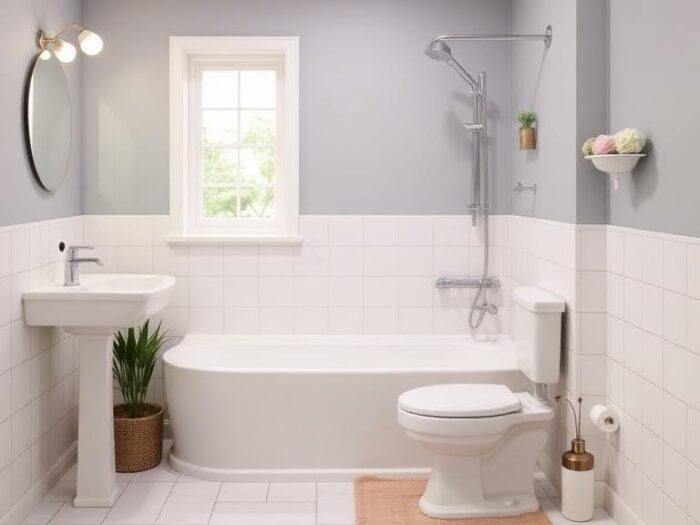
A bathroom should be a place of comfort, independence, and routine. However, for many seniors, it can also become one of the most challenging areas of the home. Slippery floors, poor lighting, difficult-to-reach fixtures, and unstable surfaces can turn simple daily activities into potential hazards. According to the Centers for Disease Control and Prevention (CDC), falls are a leading cause of injury among older adults, and many falls happen inside homes, including bathrooms.
The good news is that improving bathroom safety does not always require expensive renovations or professional remodeling. Many practical DIY bathroom safety improvements for seniors can be completed with affordable materials, basic tools, and careful planning. Small changes—such as installing better lighting, adding non-slip surfaces, and improving accessibility—can make a significant difference in creating a safer living environment.
This guide explores simple bathroom modifications seniors and caregivers can consider to reduce risks, improve independence, and create a more comfortable bathroom experience.
Why Bathroom Safety Matters for Seniors
Bathrooms are one of the most frequently used spaces in any home, but they are also one of the areas where seniors may face the greatest safety challenges. Unlike other rooms, bathrooms combine several risk factors at once: water, smooth surfaces, limited space, frequent movement, and activities that often require bending, standing, or balancing. A person may step into a shower, turn around on a wet floor, or sit down on a toilet without realizing how much balance and strength those movements require.
As people age, changes in vision, muscle strength, flexibility, and reaction time can increase the likelihood of accidents. A bathroom setup that worked perfectly years ago may no longer meet a senior’s needs today. Creating a safer environment allows older adults to maintain independence while reducing unnecessary risks.
A safer bathroom is not about making the space look like a medical facility. Modern accessibility improvements can blend naturally with home design. Many products now focus on comfort, style, and convenience while providing additional support. Simple additions such as brighter lights, strategically placed handles, and slip-resistant surfaces can help seniors feel more confident during everyday routines.
For families and caregivers, bathroom safety improvements can also provide peace of mind. Knowing that a loved one has a safer environment can reduce worry and allow seniors to continue living independently for longer.
Common Bathroom Hazards Older Adults Face
Understanding common risks is the first step toward making meaningful improvements. Every bathroom is different, but several hazards appear frequently in senior homes.
| Bathroom Hazard | Why It Creates Risk | Possible Solution |
|---|---|---|
| Wet slippery floors | Increases chance of falling | Non-slip mats and flooring treatments |
| Poor lighting | Makes obstacles harder to see | Brighter LED lights and night lighting |
| Lack of support | Makes standing difficult | Grab bars and safety handles |
| Low toilet height | Creates difficulty sitting and standing | Raised toilet seat |
| Cluttered pathways | Creates trip hazards | Better organization and storage |
| Hot water temperature | Risk of burns | Temperature controls and adjustments |
A safety assessment does not need to be complicated. Walk through the bathroom slowly and imagine using it with limited balance or mobility. Are important items easy to reach? Are there areas where someone might lose stability? Are floors slippery when wet?
These questions can reveal improvements that may otherwise be overlooked.
How to Evaluate Bathroom Safety Before Making Changes
Before starting any DIY project, take time to inspect the current bathroom layout. Rushing into modifications without understanding the existing problems can result in unnecessary expenses or changes that do not actually improve safety.
Start by observing daily routines. Watch how a senior enters the bathroom, uses the sink, steps into the shower, and moves between different areas. Sometimes the biggest safety problems are not obvious until you see the space being used.
Pay attention to areas where extra effort is required. Does someone need to hold onto a towel rack for balance? Is reaching the shower handle difficult? Does getting up from the toilet require significant strength? These small struggles are often signs that modifications could help.
Consider creating a simple safety checklist:
- Are floors slippery when wet?
- Is lighting bright enough at night?
- Are frequently used items within easy reach?
- Are there stable surfaces to hold onto?
- Is the shower entrance easy to access?
- Can emergency help be reached quickly?
Taking photos of the bathroom can also help when planning improvements. Images allow homeowners to think carefully about placement before installing new equipment.
DIY Improvement #1: Install Non-Slip Flooring Solutions
One of the easiest and most affordable bathroom safety improvements is reducing slippery surfaces. Water, soap, and smooth flooring create a dangerous combination, especially for seniors who may already experience balance challenges.
A simple first step is adding high-quality non-slip bath mats inside and outside the shower or bathtub. However, not all mats provide equal protection. Look for products with strong grip backing designed specifically for bathroom use. Mats should stay firmly in place rather than sliding across the floor.
Another option is applying anti-slip treatments to existing flooring. These products create additional texture on smooth surfaces without requiring complete floor replacement. They can be especially useful for tile bathrooms where changing flooring would be expensive.
Small details matter as well. Loose rugs, decorative mats without secure backing, and wet towels left on the floor can create unexpected hazards. A safer bathroom design focuses on stability and simplicity.
Choosing the Right Anti-Slip Products
When selecting non-slip products, consider:
- Strong suction or grip features
- Easy cleaning requirements
- Mold and mildew resistance
- Compatibility with existing flooring
- Comfort under bare feet
Avoid products that create more problems than they solve. For example, thick mats with raised edges may become tripping hazards if they are not designed properly.
The goal is simple: create a bathroom surface that feels secure while remaining comfortable and practical.
DIY Improvement #2: Improve Bathroom Lighting
Lighting is one of the most overlooked aspects of bathroom safety for seniors. Many people focus on floors and support equipment while forgetting that visibility plays a major role in preventing accidents. As people age, changes in eyesight can make it harder to notice water on the floor, identify obstacles, read medication labels, or safely move around during nighttime bathroom visits.
A well-lit bathroom should have multiple sources of light rather than relying on a single ceiling fixture. Shadows and dark corners can make even familiar spaces feel unsafe. Installing brighter LED bulbs is one of the simplest upgrades homeowners can make. LEDs provide strong illumination, use less energy, and are available in different color temperatures to create comfortable lighting.
Nighttime trips to the bathroom deserve special attention. Many seniors experience reduced balance when waking up suddenly, and walking through a dark hallway or bathroom increases the chance of stumbling. Motion-activated night lights can automatically illuminate pathways without requiring someone to search for a switch in the dark.
Consider adding lighting in key areas:
- Around the toilet area
- Near the shower entrance
- Above the sink and mirror
- Along the pathway from the bedroom to the bathroom
A small investment in lighting can create a major improvement in confidence and independence.
DIY Improvement #3: Add Grab Bars and Support Handles
Grab bars are among the most recognized bathroom safety features for seniors, but their installation requires careful planning. Many older adults use towel racks, shower doors, or unstable surfaces for support because they are already available. Unfortunately, these items are not designed to hold body weight and can break or detach.
Properly installed grab bars provide reliable support in areas where balance is most needed. They can help seniors enter and exit showers, maintain stability while standing, and safely lower themselves onto seats or toilets.
Modern grab bars come in various designs, including decorative options that blend with bathroom styles. They are no longer limited to institutional-looking equipment. Homeowners can find options in different finishes, shapes, and sizes to match existing décor.
However, installation matters. A grab bar attached incorrectly may not provide enough support. Ideally, bars should be secured into wall studs or installed using appropriate mounting systems designed for bathroom use.
Proper Placement of Bathroom Support Equipment
The location of grab bars is just as important as the product itself. A poorly placed support handle may be difficult to reach when someone actually needs it.
Common placement areas include:
| Location | Purpose |
|---|---|
| Inside shower or bathtub | Helps with entering, exiting, and standing |
| Near toilet | Provides support when sitting or standing |
| Shower entrance | Improves stability while stepping over edges |
| Near sink area | Offers additional balance support |
Before installing anything, think about natural movements. Where would someone instinctively reach for support? Which movements require the most balance?
For seniors with specific mobility concerns, consulting an occupational therapist or accessibility professional can help determine ideal placement.
DIY Improvement #4: Make the Shower Safer
The shower is often the highest-risk area in a bathroom because it combines water, slippery surfaces, and standing movements. Fortunately, several simple modifications can dramatically improve shower safety without requiring a complete renovation.
A handheld showerhead is one useful upgrade. Traditional fixed showerheads require users to stand in one position, which can become difficult for seniors who experience fatigue or balance problems. A handheld model allows water to be directed while sitting or standing.
A shower chair or bench is another valuable addition. Sitting while bathing reduces the amount of time spent standing on wet surfaces and provides an opportunity to rest. Many modern shower seats are lightweight, adjustable, and designed to fit different bathroom sizes.
For seniors who have difficulty stepping over a bathtub wall, a walk-in shower conversion may eventually become necessary. However, many smaller improvements can provide meaningful benefits before considering major remodeling.
Other shower safety upgrades include:
- Installing a non-slip shower surface
- Adding a waterproof seat
- Using a handheld shower sprayer
- Keeping soap and shampoo within easy reach
- Removing unnecessary shower clutter
The goal is to make bathing comfortable, predictable, and safe.
DIY Improvement #5: Adjust Toilet Accessibility
The toilet area is another place where seniors may struggle because sitting down and standing up require leg strength, balance, and coordination. A toilet that is too low can create unnecessary difficulty, especially for individuals with arthritis, joint problems, or reduced mobility.
A raised toilet seat is a simple modification that increases height and reduces the distance required to sit or stand. Many models attach directly to existing toilets and can be installed without major changes.
Adding support handles near the toilet can also make a significant difference. These provide stability during transitions and reduce dependence on nearby furniture or unsafe surfaces.
Some accessibility improvements include:
- Raised toilet seats
- Toilet safety frames
- Wall-mounted grab bars
- Improved lighting near the toilet
- Clear space around the toilet area
When choosing toilet modifications, consider comfort as well as safety. The best solutions make daily routines easier without creating inconvenience.
DIY Improvement #6: Remove Bathroom Clutter and Obstacles
A safer bathroom is usually a simpler bathroom. Excess items, unnecessary decorations, and poorly organized supplies can create obstacles that increase the chance of accidents.
Many bathrooms become crowded because storage is limited. Bottles collect around showers, towels hang in inconvenient places, and cleaning products are stored wherever space is available. Over time, these small issues can make movement more difficult.
Start by removing items that are rarely used. Store frequently needed products in locations that are easy to reach without bending, stretching, or climbing.
A practical organization system might include:
- Wall-mounted storage shelves
- Easy-access baskets
- Shower organizers
- Drawer dividers
- Clearly labeled containers
The best storage solutions reduce movement and keep essential items within comfortable reach.
DIY Improvement #7: Upgrade Faucets and Bathroom Controls
Small hardware changes can make everyday bathroom tasks easier for seniors. Traditional knobs may become challenging for people with arthritis, limited hand strength, or joint pain.
Lever-style faucets are often easier to operate because they require less gripping and twisting. Touchless faucets can also improve convenience, although they may require additional installation costs.
Temperature controls are another important consideration. Seniors may have reduced sensitivity to temperature changes, increasing the risk of burns from hot water. Installing anti-scald devices or adjusting water heater settings can provide an additional layer of protection.
Small upgrades like these may seem minor, but they can significantly improve independence.
DIY Improvement #8: Improve Bathroom Temperature Safety
Temperature safety is an important part of creating a senior-friendly bathroom, yet it is often overlooked. Many people think about preventing falls but forget that burns and discomfort can also create serious problems. As people age, changes in skin sensitivity and reaction speed can make it harder to notice when water is dangerously hot.
One simple improvement is adjusting the home’s water heater temperature. Many experts recommend keeping household water heaters at a safe level to reduce the risk of scalding while still providing comfortable hot water. Installing anti-scald shower valves or faucet temperature limiters can provide additional protection by controlling how hot the water becomes.
Seniors should also avoid rushing temperature adjustments. A good habit is testing water with a hand or another sensitive area before stepping into a shower or bath. This small pause can prevent unexpected discomfort or injury.
Other temperature-related improvements include:
- Using easy-to-read temperature controls
- Installing anti-scald devices
- Keeping bathroom temperatures comfortable during colder months
- Avoiding portable heaters near water sources
- Ensuring proper ventilation to prevent excessive humidity
A safe bathroom should support comfort as well as independence. Temperature control improvements help seniors maintain confidence while completing daily routines.
DIY Improvement #9: Create Better Storage Accessibility
Bathroom storage is often designed without considering changing mobility needs. High shelves, deep cabinets, and difficult-to-reach drawers may force seniors to stretch, bend, or use unstable positions to access everyday items.
Reorganizing storage is one of the easiest DIY improvements because it requires little cost but can create a noticeable difference. The goal is to place frequently used items where they can be reached comfortably without unnecessary movement.
For example, toiletries used daily should be stored between waist and shoulder height. Heavy items should not be placed in high cabinets where reaching them could cause imbalance. Cleaning supplies should also be stored safely away from areas where they could create clutter.
Helpful storage improvements include:
- Pull-out cabinet organizers
- Wall-mounted shelves
- Shower caddies
- Easy-open drawers
- Storage baskets placed at accessible heights
A senior-friendly bathroom should allow a person to complete normal activities without needing assistance for every small task. Good organization supports independence and reduces frustration.
DIY vs Professional Bathroom Modifications
Many bathroom safety improvements can be completed as DIY projects, especially smaller upgrades like installing night lights, replacing shower mats, organizing storage, or changing faucet handles. These projects are affordable, practical, and often require minimal tools.
However, some modifications involve structural changes or safety concerns that may require professional assistance. Installing permanent grab bars, changing plumbing, widening doorways, or converting a traditional bathtub into a walk-in shower requires careful planning.
The right choice depends on the complexity of the project, the senior’s mobility needs, and the condition of the existing bathroom.
| DIY Improvements | Professional Improvements |
|---|---|
| Installing non-slip mats | Walk-in shower installation |
| Adding night lights | Bathroom remodeling |
| Organizing storage | Plumbing modifications |
| Replacing shower accessories | Structural accessibility changes |
| Installing simple safety products | Electrical upgrades |
A useful approach is starting with simple improvements first. Many bathrooms become significantly safer through small changes. If mobility challenges increase over time, additional professional modifications can be considered.
When Professional Help May Be Needed
Some warning signs indicate that a bathroom may need more extensive solutions:
- Frequent falls or near-falls occur
- A senior cannot safely enter or exit the shower
- Current modifications are no longer enough
- Mobility limitations have significantly changed
- Structural changes are required
Professional accessibility specialists can evaluate the bathroom and recommend solutions based on individual needs. They may suggest options such as barrier-free showers, wider entrances, adjustable sinks, or specialized fixtures.
The goal is not simply to modify a bathroom but to create a space that supports long-term independence and quality of life.
Budget-Friendly Bathroom Safety Checklist
Improving bathroom safety does not always require thousands of dollars. Many effective upgrades can be completed gradually based on available budget and priority.
Here is a simple checklist of affordable improvements:
| Improvement | Estimated Cost Range | Difficulty Level |
|---|---|---|
| Non-slip bath mats | Low | Easy |
| LED night lights | Low | Easy |
| Shower organizer | Low | Easy |
| Handheld showerhead | Low to Medium | Easy |
| Raised toilet seat | Medium | Easy |
| Grab bars | Medium | Moderate |
| Shower chair | Medium | Easy |
| Walk-in shower conversion | High | Professional |
A smart strategy is to address the highest-risk areas first. For many seniors, the shower area and bathroom floor provide the biggest safety improvements when upgraded.
Families can also consider completing projects in stages. Installing lighting this month, improving storage next month, and adding additional support equipment later can make accessibility improvements more manageable.
Long-Term Benefits of a Senior-Friendly Bathroom
A safer bathroom provides benefits that extend far beyond preventing accidents. It helps seniors maintain independence, confidence, and dignity. Being able to complete personal care routines without constant assistance can have a positive impact on emotional well-being.
For families, accessibility improvements can reduce stress and provide reassurance. Instead of worrying about every bathroom visit, caregivers can feel more confident knowing that safety measures are in place.
A senior-friendly bathroom can also support aging in place—the ability to remain safely in one’s own home as needs change over time. Many older adults prefer staying in familiar surroundings rather than moving to assisted living environments. Thoughtful home modifications can help make that possible.
The value of these improvements is not only measured financially. A simple grab bar or better lighting may represent something much bigger: independence, comfort, and the ability to continue daily routines with confidence.
Conclusion
Creating a safer bathroom for seniors does not always require a complete renovation or expensive remodeling project. Many effective DIY bathroom safety improvements for seniors involve simple changes that address common risks, such as slippery floors, poor lighting, difficult storage, and limited support.
Starting with basic upgrades like non-slip surfaces, brighter lighting, improved organization, and safer shower features can make a meaningful difference. These improvements help seniors feel more secure while allowing them to maintain independence in one of the most important areas of the home.
Every bathroom has unique challenges, so the best approach is to evaluate the space carefully and focus on the changes that provide the greatest benefit. Small improvements today can help create a safer, more comfortable environment for years to come.
A bathroom should be a place where seniors feel confident—not a place they fear. With thoughtful planning and practical modifications, families can create a space that supports safety, dignity, and independent living.
Frequently Asked Questions
1. What is the easiest DIY bathroom safety improvement for seniors?
Adding non-slip mats, improving lighting, and removing clutter are some of the easiest improvements. These changes require minimal effort but can significantly reduce common bathroom hazards.
2. Are grab bars necessary for every senior bathroom?
Not every senior needs grab bars immediately, but they are one of the most effective safety features for preventing falls. They are especially helpful near showers, bathtubs, and toilets where balance support is often needed.
3. How can I make a bathtub safer for an elderly person?
You can improve bathtub safety by adding non-slip surfaces, installing grab bars, using a shower chair, and adding a handheld showerhead. For seniors with significant mobility challenges, a walk-in shower may be a better long-term option.
4. How much does it cost to make a bathroom safer for seniors?
Costs vary depending on the changes needed. Simple upgrades like lighting and mats may cost very little, while major renovations such as walk-in showers can require a larger investment.
5. Should bathroom modifications be done before mobility problems begin?
Yes. Preventive improvements can make a home safer before accidents happen. Many families choose to make accessibility upgrades early to support comfortable aging in place.
