


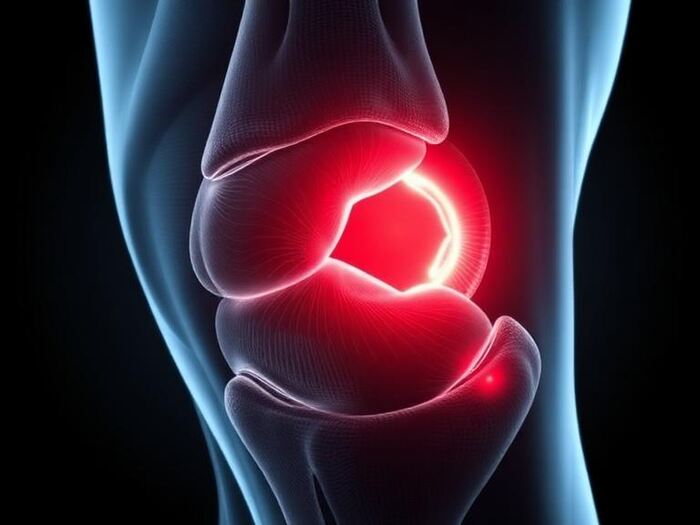
It often begins with a small twist of the knee, maybe during exercise, an awkward step, or even getting up from a chair. At first, it may feel like a brief twinge, but the discomfort can linger over time. A meniscus tear can slowly affect how a person moves, sits, or even sleeps, turning everyday activities into unexpected challenges.
Living with a torn meniscus isn’t only about managing pain. It’s about adjusting routines, relearning body cues, and finding ways to stay active without causing further injury. Simple things like walking the dog, climbing stairs, or standing for long periods can suddenly feel like high-effort tasks that require planning and patience.
For those seeking professional care or guidance, meniscus tear treatment often involves a personalised recovery plan guided by medical professionals and supported by rehabilitative exercises. These plans are designed to help improve movement, reduce discomfort, and support healing over time. However, recovery does not rely on clinical care alone. Day to day management, such as following exercise advice, pacing activities, and listening to the body, plays an equally important role in maintaining comfort and independence while the knee continues to heal.
Understanding the Meniscus and Its Role
What Happens When the Meniscus Is Torn
The meniscus acts like a cushion between the thigh and shin bones, absorbing shock and helping the knee move smoothly. When torn, this cushion loses its ability to stabilize the joint. Depending on the severity, some people can still walk, while others experience pain with every step.
For many people, the first signs are swelling or stiffness that does not ease overnight. In some cases, the knee may lock or give way without warning, making simple movements feel uncertain or uncomfortable. Even everyday actions like bending to pick something up can become stressful. Getting proper rest early on and seeking timely evaluation can help prevent the tear from getting worse.
Finding Balance Between Rest and Movement
One of the hardest parts of managing a meniscus tear is finding the right balance between rest and activity. Total rest might ease pain temporarily, but prolonged inactivity can lead to joint stiffness and weakened muscles. On the other hand, too much movement can inflame the knee and prolong recovery.
Small adjustments help more than most realize. Choosing low-impact activities such as swimming or stationary cycling allows the knee to move without adding unnecessary stress. Elevating the leg or using an ice pack after activity also helps control swelling while keeping circulation steady.
Supporting the Knee Through Routine Adjustments
Daily habits can strongly influence healing. Wearing comfortable, supportive footwear, avoiding deep squats, and using handrails when climbing stairs can all reduce stress on the knee. Those working long hours at a desk benefit from regular movement breaks to prevent stiffness.
Simple aids like a knee brace or compression sleeve can offer stability, especially when walking outdoors or navigating uneven surfaces. Over time, these small accommodations not only protect the knee but also help rebuild confidence in movement.
Adapting to Life During Recovery
Mindful Movement and Physical Therapy
Rehabilitation is more than a physical process; it’s also about mindset. Under the guidance of a physiotherapist, structured exercises can restore flexibility and strength while reducing the risk of future injury. Controlled activities, such as gentle stretches and targeted strengthening routines, help reintroduce motion safely.
Many patients find that learning proper body mechanics, such as bending at the hips instead of the knees and avoiding sudden twisting movements, can greatly reduce discomfort. Paying attention to early signs of pain and making small adjustments along the way is important. Over time, this approach can turn recovery from a frustrating experience into a more mindful and manageable process.
Nutrition and Emotional Well-being
Healing is not just about what happens in therapy sessions. Good nutrition plays a subtle but important role in recovery. A balanced diet rich in omega 3 fatty acids, lean protein, and vitamin C supports tissue repair and helps reduce inflammation. Staying hydrated keeps joint fluid healthy and supports mobility.
Equally important is emotional care. Knee injuries can disrupt daily independence, which may lead to frustration or reduced motivation. Simple mindfulness techniques, breathing exercises, or light outdoor activities can improve mood and reinforce a sense of progress. The goal is not to rush healing but to move forward at a steady and manageable pace.
Long-Term Knee Health and Prevention
Life after a meniscus tear does not mean giving up physical activity. In fact, movement remains one of the most effective ways to reduce the risk of future injury. The key lies in consistent practice and body awareness. Continuing low impact exercises strengthens the surrounding muscles, which help protect the knee.
Warming up before workouts and taking time to cool down afterward can make a noticeable difference. Adding balance and stability exercises, such as standing on one leg or gentle yoga poses, helps improve coordination and supports knee stability. Even with a busy schedule, small and consistent efforts can build strength and resilience over time.
Adjusting for a meniscus injury changes one’s relationship with movement. It encourages mindfulness and patience, reminding us that healing happens gradually, moment by moment. With proper care, medical supervision, and consistent daily habits, the knee can regain strength and flexibility. For anyone navigating recovery or seeking professional guidance, exploring options for meniscus tear treatment can provide the specialist support needed to return to active living with confidence.
