


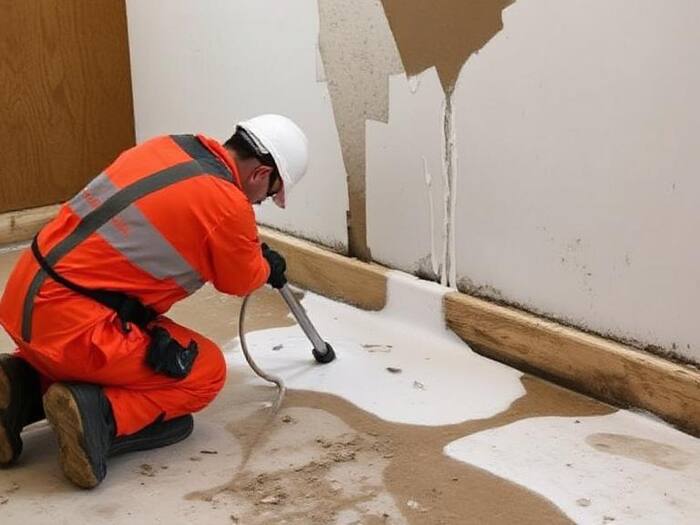
Water damage can disrupt any home or business unexpectedly and often overwhelmingly. Whether it’s the result of a burst pipe, storm flooding, or an appliance failure, the restoration process requires immediate attention. Homeowners and property managers often wonder how long water damage restoration will take, and the answer varies based on several critical factors. From the initial assessment to the final repairs, each phase carries its timeline influenced by the extent of damage, type of materials affected, and environmental conditions. We will explore how long does water damage restoration takes and provide a clearer understanding of what to expect from start to finish.
Understanding the Timeline of Water Damage Restoration
1. Initial Response and Inspection (24–48 hours)
The restoration timeline begins with the initial response and inspection phase, typically within 24 to 48 hours after discovering water damage. Quick action is crucial during this period, as prolonged water exposure can worsen structural damage and increase the risk of mold growth. Restoration teams generally start by assessing the category of water involved—clean, gray, or black—which helps determine safety protocols and cleanup procedures. This evaluation also includes checking for hidden moisture in walls, floors, and ceilings.
Advanced moisture meters and thermal imaging tools often detect saturation in less visible areas. Once a clear assessment is made, a detailed plan for mitigation and restoration is created. The inspection stage is essential for setting expectations and helping homeowners understand the process ahead. Although this phase doesn’t take long, its efficiency significantly impacts the rest of the timeline by determining how quickly drying and repairs can begin.
2. Water Extraction and Moisture Removal
After inspection, the next phase involves removing standing water and starting the drying process. This step is highly variable depending on the amount of water present and the materials affected. For example, a flooded basement with inches of water may take longer to pump out than a small area soaked from a leaky pipe. Industrial vacuums and pumps are typically used to extract water, followed by dehumidifiers and air movers to remove lingering moisture from the air and surfaces. This phase can last anywhere from one to five days. Porous materials like drywall, carpet, and wood flooring absorb water quickly and may require removal or longer drying times. During this period, consistent monitoring ensures that moisture levels return to acceptable limits. Secondary problems like mold or material degradation could occur if moisture remains too high. The success of this phase depends on proper equipment usage and regular re-evaluation to confirm that all affected areas are thoroughly dried.
3. Mold Prevention and Sanitization
One of the major concerns following water damage is the potential for mold growth, which can begin within 24 to 72 hours in damp conditions. After drying, the restoration team often performs antimicrobial treatments to sanitize surfaces and prevent mold development. This process may take one to three days, depending on how widespread the water damage was and whether any microbial contamination has already started. Areas such as basements, bathrooms, and behind walls are particularly vulnerable.
Applying mold inhibitors and using air scrubbers helps improve air quality and reduce the risk of airborne mold spores. Further remediation measures will be needed in cases where mold is already visible, which can extend the timeline significantly. Mold removal may involve cutting out sections of drywall, removing insulation, or applying sealants to prevent future growth. Though this part of the process might seem like a delay, it’s essential for maintaining a healthy living environment and avoiding more costly problems later.
4. Structural Repairs and Restoration (1–4 weeks or longer)
The final stage of water damage restoration involves repairing or replacing damaged materials beyond salvage. This may include drywall, insulation, flooring, cabinets, and in some cases, electrical or HVAC systems. The length of this phase depends heavily on how extensive the damage was and the availability of replacement materials. For instance, a few patches of drywall might take a couple of days, while a complete flooring replacement could stretch over several weeks. Custom finishes, high-end materials, or supply chain delays may further extend this timeline.
Restoration crews coordinate with contractors to rebuild areas to their pre-damage condition, ensuring structural safety and functionality. Additionally, permits may be required for more extensive repairs, introducing further steps into the process. Homeowners often use this time to make design upgrades or improvements for the reconstruction. While this is the most prolonged phase, it’s also the most transformative, returning the property to a livable and safe condition.
5. Factors That Influence the Overall Duration
While each restoration phase has a general timeframe, several variables can significantly alter the timeline. First, the size of the affected area plays a major role—a flooded bathroom might take less than a week to restore, whereas an entire basement could take over a month. Second, the source and category of water affect the complexity of cleanup. Clean water damage is usually easier and faster to resolve, while black water (contaminated with sewage) demands a more rigorous approach. Third, the response time is critical; the sooner restoration begins, the less time is needed.
Delayed responses often mean longer drying times and a higher chance of mold or structural compromise. Additionally, property access, insurance approvals, and availability of restoration crews can all influence how fast work proceeds. Weather conditions and humidity levels also affect drying efficiency.
Water damage restoration is not a one-size-fits-all process. The timeline varies depending on the extent of the damage, the type of water involved, and the response time. While the entire process can range from a few days to several weeks, the key to minimizing disruption is prompt action and clear communication with the restoration team. By understanding each phase—inspection, extraction, drying, sanitization, and repair—property owners can be better prepared for the work ahead. Being informed helps reduce stress and supports a smoother path to recovery after any water-related disaster.
