


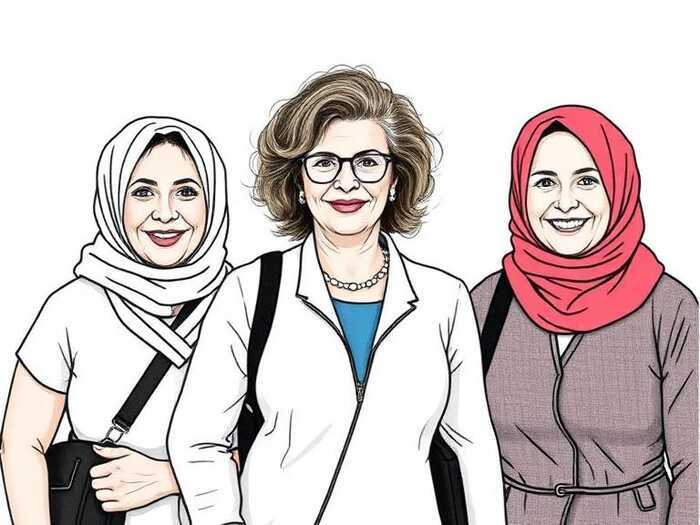
Women tend to hold things together until they do not. Careers, caregiving, relationships, bodies, expectations, all balanced with a practiced smile that hides the cost. When stress starts spilling into sleep, food, alcohol, pills, or patterns that feel hard to loosen, it is not a personal failure. It is a signal. Women’s health and addiction intersect in ways that are intimate and specific, shaped by biology, culture, and the unspoken rules many of us learned early. The good news is that care built for women is finally catching up, and it works when it honors the whole person.
When Coping Becomes a Full Time Job
Women are often praised for endurance. We push through migraines, work through grief, and keep calendars running even when our nervous systems are fried. Substances and behaviors that start as relief can quietly become scaffolding. A glass to sleep, a pill to get through a meeting, a ritual that feels nonnegotiable by week three. None of this happens in a vacuum. Women are more likely to experience chronic stress and caregiving overload, and many face stigma when they admit they need help. Add the pressure to look fine while functioning, and the threshold for asking for care gets unreasonably high. A women centered approach recognizes that coping strategies form for a reason, and that healing begins when relief is replaced with support that actually fits a woman’s life.
Choosing Care That Fits a Woman’s Reality
Treatment is not one size fits all, and women feel the mismatch fast. Logistics matter, safety matters, and feeling understood matters. The right program considers childcare, privacy, trauma informed practices, and the rhythms of work and family life. Geography can help or hinder access, but quality matters more than zip code. For some, drug rehab in Corpus Christi or close by, one in LA or anywhere else – the right fit is a must, especially for women becomes the deciding factor because it reflects flexibility and specialization, not a generic promise. Programs designed with women in mind tend to integrate mental health, medical care, and peer connection in ways that reduce shame and increase follow through. When care aligns with real life, women stay engaged, and outcomes improve.
The Body Remembers More Than We Realize
Health conversations often stop at habits, but women’s bodies carry stories. Stress responses are learned and stored, sometimes across decades. Research and lived experience point to generational trauma as a quiet force that shapes how women soothe themselves, relate to authority, and respond to pressure. This does not mean blame or destiny. It means context. When treatment addresses nervous system regulation, attachment patterns, and safety, cravings soften. Sleep improves. Decisions feel less reactive. Women who understand their own patterns often describe a sense of relief that feels physical, like the body finally exhaling. Care that honors history without trapping women in it opens space for choice.
Hormones, Cycles, and the Chemistry of Care
Women’s health is dynamic. Hormonal shifts across the month, pregnancy, postpartum, and perimenopause can change how substances affect mood and sleep. Medications metabolize differently. Anxiety can spike without warning. Programs that track cycles and tailor support reduce relapse risk and increase comfort. Nutrition, movement, and sleep hygiene are not lifestyle extras. They are core treatment tools. When clinicians ask about cycles and listen to answers, women feel seen, and the work deepens. Recovery becomes less about willpower and more about physiology supported by compassion.
Community That Heals Without Labels
Isolation feeds shame. The community dissolves it. Women benefit from spaces where stories are shared without labels that flatten identity. Peer groups that center respect, confidentiality, and mutual aid create momentum. Practical skills like boundary setting, communication, and financial planning help stabilize daily life, which stabilizes health. Workplaces that offer flexibility and benefits that include mental health care make a real difference. So do families who learn how to support without controlling. Recovery grows fastest when women are surrounded by people who believe change is possible and do not require perfection as the price of belonging.
A Healthier Way to Carry the Load
Women deserve care that meets them where they are and moves with them as they heal. When treatment respects biology, history, and daily reality, it stops feeling like a detour and starts feeling like a return. The path forward is not about fixing a flaw. It is about building support that lets women put down what they were never meant to carry alone, and step into health that feels steady, humane, and fully their own.
