


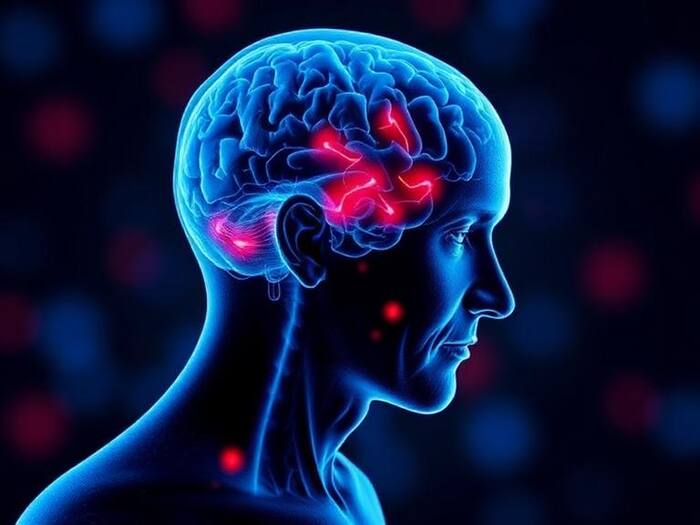
Alzheimer’s disease is a progressive neurological condition that leads to memory loss and cognitive decline. It affects millions worldwide, making it imperative to understand the warning signs and symptoms for early detection and management. Recognizing symptoms early can greatly affect treatment and support for those affected by this disease. In this article, we delve into the various indicators of Alzheimer’s, from cognitive changes to behavioral shifts, allowing you to be better equipped to identify potential signs in loved ones or yourself. Below, we outline the key symptoms to be aware of.
Recognizing Early Warning Signs of Alzheimer’s Disease
The onset of Alzheimer’s disease often begins with subtle signs that may be mistakenly attributed to aging or stress. Memory lapses that disrupt daily life, such as forgetting recently learned information or important dates, can be early indicators. It is common to observe individuals needing to rely on memory aids or family members for tasks they used to handle on their own.
Another telling sign is difficulty in planning or solving problems. People may experience challenges in developing and following plans or working with numbers. This is often noticeable when someone struggles with managing finances or following recipes they once executed with ease.
Furthermore, people may experience confusion with time or place, losing track of dates, seasons, and the passing of time. They may have trouble understanding something if it’s not happening immediately, or forget where they are or how they got there. Recognizing these signs is vital, as outlined in further detail by organizations that offer resources on Alzheimer’s disease symptoms.
Behavioral and Psychological Changes in Alzheimer’s Patients
Behavioral and psychological changes are common in individuals with Alzheimer’s. Mood swings and personality shifts are particularly striking. Someone with Alzheimer’s might exhibit moods and behaviors that are out of character, such as confusion, suspicion, depression, fear, or anxiety.
Also, there might be an increase in aggressive behavior or agitation. Patients may express irritability or aggression, and these emotional responses can be directed toward caregivers or family members. This aggression can be verbal or physical and often requires careful management.
Patients may also experience sleep disturbances or changes in sleeping patterns, including insomnia or sleeping too much. Restlessness in the late afternoon, known as “sundowning,” may also occur. This can significantly impact the overall well-being of both the patient and their caregivers.
Physical and Sensory Symptoms Associated With Alzheimer’s
Physical manifestations of Alzheimer’s include coordination and motor function impairment, making tasks such as writing or buttoning a shirt increasingly difficult. There may be a deterioration in fine motor skills and coordination.
Patients may also face challenges with balance and spatial orientation, leading to an increased risk of falls and injury. Maintaining a safe home environment becomes particularly important to reduce these risks.
Sensory changes, while not as frequently discussed, can occur. These can involve difficulties with depth perception or even distinct changes in taste and smell. These sensory differences can impact appetite and nutrition, further complicating care.
When to Seek Medical Advice for Alzheimer’s Concerns
If you or someone you know is exhibiting signs that may suggest Alzheimer’s, it’s crucial to seek medical advice. Early evaluation by healthcare professionals can aid in diagnosis and the prompt start of potential treatment options. It may also provide the individual and their family with valuable resources and support networks.
It is important to understand that while there is currently no cure for Alzheimer’s, interventions may help manage symptoms and improve quality of life. Diagnostic assessments, including medical history evaluation, mental status tests, and neurological exams, are part of the diagnostic process.
Additionally, talking to a doctor can help rule out other conditions that might mimic Alzheimer’s symptoms. Sometimes, symptoms are caused by treatable conditions such as vitamin deficiencies, thyroid problems, or depression. Medical consultations can help in distinguishing Alzheimer’s from other possible disorders.
Altogether, understanding Alzheimer’s disease symptoms and recognizing the early warning signs can lead to earlier intervention and better management of the condition. Overall, knowledge and early action are key to providing the best possible care for individuals affected by Alzheimer’s.
