


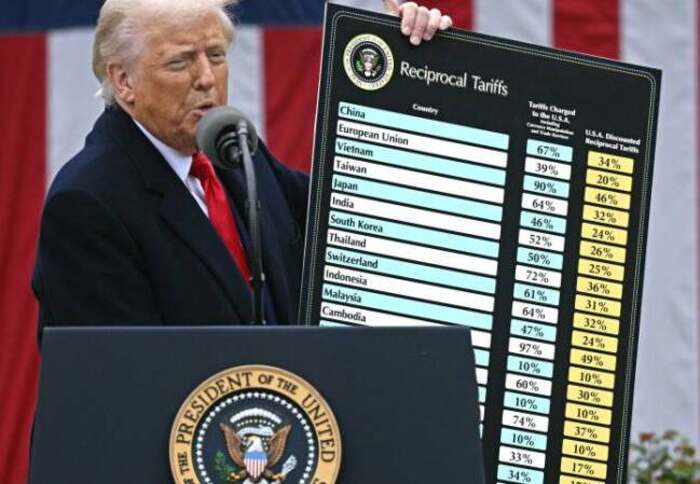
The Trump administration has unveiled a new round of import tariffs affecting more than 80 countries, marking another significant step in the president’s evolving trade policy. The measures are scheduled to take effect on July 24 and replace a temporary global tariff that had been nearing expiration.
Administration officials said the tariffs are intended to encourage stronger enforcement against forced labor in international supply chains. Under the new framework, most affected imports will face duties ranging from 10% to 12.5%, with rates varying based on each country’s compliance with U.S. labor-related trade standards. Certain products, including some energy-related imports and goods covered by existing trade agreements, are expected to remain exempt.
The latest action follows months of legal and political debate surrounding U.S. tariff authority. Earlier this year, the U.S. Supreme Court ruled against several previous tariff measures imposed under emergency powers, prompting the administration to pursue a different legal pathway for implementing trade restrictions. The current tariffs rely on provisions of the Trade Act of 1974 rather than the authority previously challenged in court.
Several governments have expressed concern over the new tariffs, with some questioning the criteria used to determine compliance and signaling that retaliatory measures remain under consideration. Trade experts also anticipate additional legal challenges as businesses and industry groups assess the economic impact of the policy.
Economists remain divided over the long-term effects of the administration’s strategy. Supporters argue that stronger trade enforcement can encourage better labor practices and protect American industries, while critics contend that import duties often increase costs for businesses and consumers and may contribute to broader trade tensions. Previous studies have suggested that much of the cost of tariffs is ultimately absorbed within the domestic economy.
The tariff announcement represents the latest development in President Donald Trump’s broader effort to reshape U.S. trade relationships through expanded use of import duties. Additional trade actions involving other countries could follow as the administration continues its review of global trade practices.
Source: theguardian.com
