


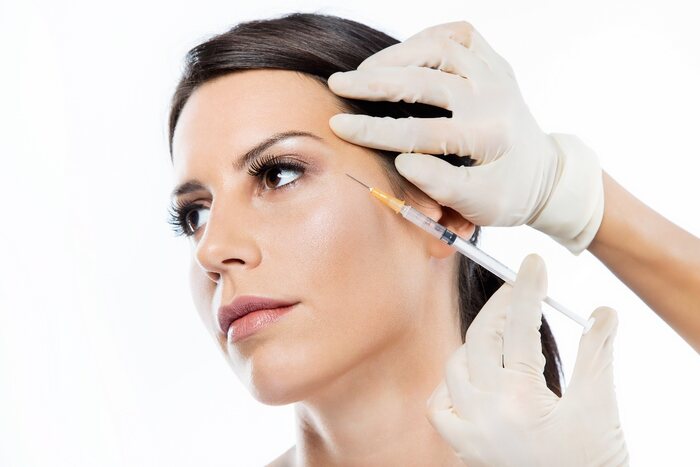
Botox is often associated with smoothing wrinkles, but it can also be used to subtly lift the eyebrows.
This effect is not created by adding volume or pulling the skin upward. It happens through precise muscle relaxation. When performed correctly, Botox can change the balance of muscle activity around the eyes and brows, allowing the eyebrows to sit slightly higher.
Understanding how this works requires a basic look at facial anatomy.
The Muscles That Control Brow Position
Eyebrow position is controlled by opposing muscle groups.
Some muscles pull the brows downward, while others lift them upward. In many people, the downward-pulling muscles become stronger or more active over time, contributing to a tired or heavy appearance around the eyes.
Botox works by temporarily relaxing specific muscles. When the muscles that pull the brows down are relaxed, the lifting muscles can work without as much resistance.
This creates a subtle upward shift in brow position.
How Botox Creates a Brow Lift Effect
Botox does not physically lift tissue. Instead, it changes muscle movement.
When small amounts of Botox are injected into targeted areas around the brows, the downward force on the eyebrows is reduced. The muscles that elevate the brows remain active, allowing the brows to rise slightly.
What Botox does in a brow lift treatment
- Relaxes muscles that pull the brows downward
- Reduces heaviness around the upper eyelids
- Allows natural lifting muscles to work more effectively
- Creates a refreshed, more open eye area
The result is subtle and natural when done correctly.
Areas Commonly Treated for a Botox Brow Lift
A Botox brow lift typically involves injections in precise locations around the eyes and forehead.
The exact placement depends on individual anatomy, brow shape, and muscle strength. This is why assessment and technique are critical.
Common treatment areas may include
- Muscles between the eyebrows
- Portions of the forehead
- Areas around the outer brows
Each injection point is chosen to adjust muscle balance rather than freeze expression.
What Results Look Like and How Long They Last
The effects of a Botox brow lift usually begin to appear within a few days.
Full results are typically visible within one to two weeks. The lift is modest but noticeable, often making the eyes appear more open and rested.
Results usually last three to four months. Over time, muscle movement gradually returns, and repeat treatments are needed to maintain the effect.
Botox does not permanently change brow position.
Safety and the Importance of Precision
A Botox brow lift requires a detailed understanding of facial anatomy.
Incorrect placement or dosing can lead to unwanted effects, such as uneven brows or excessive heaviness in the forehead. This is why experience and careful assessment matter.
A qualified provider evaluates muscle movement at rest and during expression before treatment. This helps determine where Botox should and should not be placed.
Clinics offering botox to lift eyebrows prioritize precise injection technique and conservative dosing to achieve natural-looking results while preserving facial balance.
Who May Benefit From a Botox Brow Lift
A Botox brow lift may be appropriate for people who notice early drooping of the brows or a heavy feeling around the eyes.
It is not a replacement for surgical brow lift procedures, but it can provide a non-surgical option for mild concerns.
People with asymmetry or overactive brow-depressing muscles often see the most benefit.
A consultation is essential to determine suitability.
Understanding the Outcome
A Botox brow lift is best described as a subtle adjustment rather than a dramatic change.
It works by restoring balance between facial muscles, not by reshaping the face. When expectations are realistic and treatment is done with precision, results tend to look refreshed rather than obvious.
Understanding the science behind the treatment helps set appropriate expectations and supports informed decision-making.
