


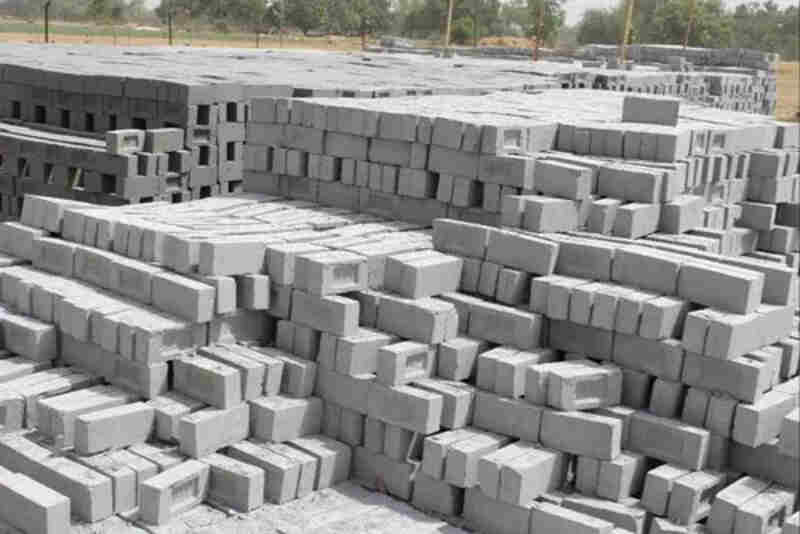
Fly ash bricks are made of fly ash, a by-product of coal burning. Because they are brick-shaped and have good fire resistance, fly ash bricks can be used in building walls and roofs. They may not be aesthetically appealing because of their dark colour, but FlyAsh bricks are one of the cheapest insulation alternatives available.
They are easy to install, durable, and fire-resistant. They also help in sound insulation and thermal insulation. This blog will discuss fly ash bricks, their advantages and disadvantages, and why you should use them.
What Is Fly Ash Brick?
Fly ash bricks are manufactured from industrial wastes such as fly ash, cement, and sand/stone dust. Typically, these bricks have a compressive strength of between 7.5 MPa and 10 MPa and are lightweight and stronger than clay bricks. Fly ash bricks have high corrosion resistance and thermal durability, making them ideal for use in specific applications such as insulation. In addition to these advantages, fly ash bricks are eco-friendly and cost-effective, making them popular among homeowners and building professionals.
Advantages Of Fly Ash Bricks
1. Strength
Fly ash bricks have a high compressive strength of 9-10 N/mm2, which makes them ideal for designing high-quality construction. Fly ash bricks have a lower thickness of joints and plaster, reducing cracks in plaster. They also have a low weight of 2.6 kg per cubic meter, making them lighter and stronger than red clay bricks with the same volume. These features make fly ash bricks an ideal material for building construction projects.
Additionally, fly ash bricks offer greater strength to the building, improving over time and providing better earthquake resistance. This makes fly ash bricks an appealing choice for building construction projects
2. Thermal Properties
Fly ash bricks have thermal properties that make them well-suited for building insulation. These bricks have a thermal conductivity of 0.90 to 1.05 W/m2, which means they absorb less heat than other bricks due to the pozzolanic reaction between fly ash and lime.
In addition, fly ash bricks are well suited for hot climates, as they maintain the building cooler in summer. This makes them an attractive alternative to traditional building materials.
3. Durability
Fly ash bricks are highly durable and fire-resistant, with no problems with vermin attacks. They are attractive compared to clay bricks and come with smooth finishing, making them desirable for building projects. These bricks have a strength of 9-10 N/mm2, providing more excellent resistance during an earthquake.
4. Sound Insulation
Fly ash bricks provide sound insulation to buildings by absorbing the sound of their construction. They do this by offering decent thermal insulation and reducing the requirement of mortar for joints and plaster. The bricks also reflect heat and light, contributing to less heating of structures. Fly ash bricks provide an acceptable degree of sound insulation but are not 100% effective.
Many factors can impact fly ash bricks’ sound-insulation quality, such as their size, composition, shape, and manufacturing process. All in all, fly ash bricks are cost-effective for providing sound insulation to buildings. However, they have to be carefully chosen and installed with care to ensure they meet the sound-insulation requirements of a particular building project.
5. Fire Resistance
Fly ash bricks offer fire-resistant thermal insulation and can withstand high temperatures. They are made of fly ash and cement, resulting in high fire resistance and thermal insulation. These bricks have a thermal conductivity of around 0.9-1.05 W/m2, making them good heat conductors. This makes fly ash bricks strong and sturdy, reducing breakage during transportation.
They are ideal for use in walls, floors, roofs, and ceilings of residential and commercial buildings and in industrial facilities such as factories and power plants.
6. Sustainability
Fly ash bricks are composed of high-quality fly ash, a by-product of thermal power plant combustion. The fly ash bricks are composed of high-quality, cost-effective, sustainable material. They are composed of high-quality fly ash, a by-product of thermal power plant combustion. The high-quality material used in fly ash bricks ensures they last longer and require less mortar than clay bricks. This makes them more cost-effective and sustainable.
Fly ash bricks have advantages such as sustainability and lower cost than clay bricks. They absorb less water and require less mortar, making the production process less damaging to the environment. Also, their manufacturing process does not harm topsoil and results in a sustainable product used in various applications.
7. Cost
Fly ash bricks cost approximately Rs 5.00 per piece in the local market and are often available for about 20-30% less than clay bricks. Consumption of mortar is low and requires less labour for installation, leading to lower cost of fly ash bricks.
The cost of fly ash bricks is approximately 30% lower than clay bricks, making them an affordable option for building facades.
Disadvantages Of Fly Ash Bricks
1. Seasonal Restrictions
Fly ash bricks can have restrictions if they are not made from high-quality materials, such as cement and gypsum. These bricks can be vulnerable to moisture and cold temperatures. In colder regions, fly ash bricks require extra insulation to ensure they don’t thermally conduct poorly. The high thermal conductivity of fly ash bricks makes them suitable for high-temperature applications, such as solar and geothermal power plants. Still, these bricks typically take longer to set and have slower strength gain than others.
Additionally, fly ash bricks are made from fly ash, sand, stone dust, cement, gypsum, lime, and water; some may contain high contaminants that could harm the environment or human health.
2. Colour Inconsistency
Fly ash bricks have a pleasing cement colour that is uniform in shade and smooth. The cement colour of fly ash bricks can result from the high levels of calcium oxide present in the fly ash. This uniform cement colour provides maximum light reflection, which makes for a consistent colour throughout a building’s facade. Using larger-size fly ash bricks can lead to blockages and inconsistency in colour. This is due to the size of the fly ash bricks not being large enough to fill all of the gaps. Fly ash bricks are durable and fire-resistant, which may assist in reducing colour inconsistency in mortar applications.
However, if care is not taken during installation, they can result in inconsistent colour or blockage of mortar joints.
3. Poor Air Content Control
Fly ash bricks are made from C-class fly ash, water, and air entrapping agents. This can lead to poor air content control of the bricks, resulting in lower mechanical strength. To address this issue, some manufacturers add marble waste or mortar between bricks to improve their strength.
Before being marketed, fly ash bricks must also be tested for compressive strength, water absorption, and efflorescence. These tests ensure that the quality of the bricks is high and that they will perform as expected.
Properties of Fly Ash Bricks
Fly ash bricks are made of fly ash, sand/stone dust, cement and water in ratios of 60%, 30%, 10% and 100% respectively. These bricks are fireproof and provide good insulation against heat. They are lightweight and stronger than clay bricks. Fly ash bricks are perfect for building walls owing to their high strength, durability, resistance to fire and lessened environmental impact.
The strength of fly ash bricks ranges from 7.5 MPa to 10 MPa. They are heavier than clay bricks and easy to transport as well. The additional mortar required for durable fly ash bricks is lime-based cementing material and gypsum powder. Besides, marble waste is used to reinforce the bricks’ strength further.
Conclusion
With fly ash brick, you get a durable material that can be used in place of traditional brick. It is made of raw materials and has less environmental impact than cement-based bricks. The material is fire-resistant, sound-insulating, durable, and lightweight. It is an eco-friendly building material.
Fly ash brick is a versatile material that can be used to make walls and floors of buildings. You must conduct a proper research before choosing fly ash brick for your project to avoid any misgivings later. Remember that it’s not the brick that causes structural damage but the mortar or plastering material used.
