


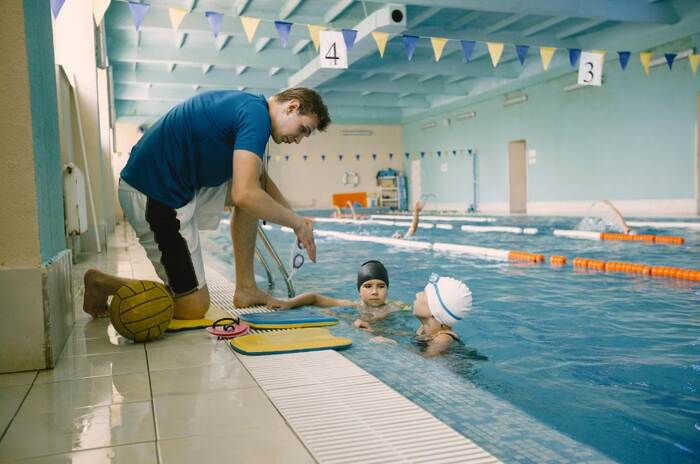
A swimming lesson for kids is more than a recreational activity. It is a foundational experience that equips children with essential life skills, strengthens their physical health, and builds confidence that extends far beyond the pool. Learning to swim under expert guidance ensures that children develop correct techniques from the outset while understanding water safety in a structured and supportive environment.
As families increasingly prioritize holistic development, swimming lessons have become a vital component of a child’s routine. This article explores the importance of expert swimming lessons for kids, the impact on confidence and skill development, the role of parents, and the safety considerations that underpin effective aquatic education.
The Importance of Expert Swimming Lessons for Kids
Expert swimming lessons differ significantly from informal or general instruction. While basic lessons often focus on simple water familiarization, expert-led lessons are designed to teach proper technique, breathing control, body positioning, and safe movement through water. These foundations are critical for long-term progress and confidence.
Children who receive expert instruction benefit from structured progression tailored to their developmental stage. Lessons are carefully paced to ensure children are challenged without feeling overwhelmed. This approach not only improves swimming ability but also fosters discipline, focus, and a sense of achievement.
Another key advantage is safety education. Expert swimming lessons emphasize awareness of water conditions, personal limits, and responsible behaviour. Children learn to respect the water while feeling confident within it, reducing fear and improving decision-making in aquatic environments.
Health, Confidence, and Skill Development Through Swimming
A swimming lesson for kids delivers comprehensive physical benefits. Swimming strengthens the cardiovascular system, improves lung capacity, and develops muscle tone without placing excessive strain on joints. This makes it particularly suitable for growing bodies, supporting healthy posture and overall fitness.
Beyond physical health, swimming contributes significantly to emotional well-being. As children master new skills, they experience a sense of accomplishment that reinforces self-belief. Each improvement, whether floating independently or swimming a full length, builds confidence through tangible progress.
Skill development in swimming also nurtures patience and perseverance. Learning to coordinate breathing with movement requires concentration and practice, encouraging children to persist through challenges. These skills often translate into improved confidence in academic and social settings, reinforcing the broader value of swimming lessons.
Boosting Confidence Through Swimming Lessons
Confidence is one of the most noticeable outcomes of a well-structured swimming lesson for kids. Many children initially approach water with apprehension. With expert guidance, they gradually learn to trust their abilities and feel secure in the water.
As children overcome personal fears, they develop resilience and emotional strength. Completing tasks that once seemed intimidating teaches them that effort leads to improvement. This lesson is particularly powerful during early development, shaping how children approach challenges throughout life.
Swimming also provides opportunities for children to demonstrate confidence in group settings. Lessons encourage cooperation, respect for others, and positive interaction. Children learn to take turns, follow instructions, and celebrate each other’s progress, reinforcing social confidence alongside physical skill.
Skills Learned in a Swimming Lesson for Kids
Swimming lessons equip children with a diverse range of skills that extend beyond the pool. Water safety awareness is one of the most critical outcomes, teaching children how to enter and exit water safely, understand depth, and remain calm in unfamiliar situations.
Physical coordination improves as children learn to control their movements, balance their bodies, and synchronize breathing. These skills enhance overall motor development and contribute to better performance in other physical activities.
Swimming lessons also support emotional regulation. The calming nature of water, combined with structured instruction, helps children manage stress and focus their attention. Over time, this improves their ability to concentrate and follow routines, benefiting their overall development.
Choosing the Right Swimming Lesson for Your Child
Selecting the right swimming lesson for kids requires careful consideration. The quality of instruction plays a crucial role in a child’s progress and enjoyment. Qualified and experienced instructors are essential, as they understand how to adapt teaching methods to different ages and abilities.
Class structure is equally important. Lessons should be matched to a child’s age, confidence, and skill level to ensure steady improvement. Children thrive when they feel supported yet challenged, making appropriate placement a key factor in successful learning.
Progressive development should be gradual and consistent. A well-designed programme allows children to build upon previous skills while reinforcing safety and technique. This structured approach ensures long-term success rather than short-term achievement.
The Role of Parents in Supporting Swimming Progress
Parents play an influential role in shaping a child’s attitude towards swimming lessons. Encouragement and positive reinforcement help children approach lessons with enthusiasm rather than pressure. When progress is celebrated, children are more likely to remain motivated and engaged.
Consistency also matters. Regular attendance allows skills to develop naturally and prevents loss of confidence between sessions. Parents who prioritize routine help reinforce the importance of commitment and perseverance.
Safety awareness at home further strengthens learning. Discussing water safety, supervising children near pools, and reinforcing lesson principles all contribute to a secure and supportive learning environment. This partnership between parents and instructors ensures the child receives consistent guidance.
Safety and Supervision in Swimming Lessons
Safety is the foundation of every effective swimming lesson for kids. Structured lessons incorporate clear safety protocols, close supervision, and controlled learning environments. Children are taught how to behave responsibly in and around water, reducing risk and promoting awareness.
The presence of trained professionals ensures that emergencies can be managed effectively. Knowledge of first aid and rescue techniques provides an added layer of protection, allowing children to learn with confidence and reassurance.
By integrating safety into every stage of instruction, swimming lessons empower children to enjoy water responsibly while understanding its potential risks.
Conclusion
A swimming lesson for kids offers lasting benefits that extend far beyond learning strokes. It promotes physical health, builds confidence, and equips children with essential life skills rooted in safety and self-belief. Through expert instruction, children gain the tools they need to navigate water environments with confidence and responsibility.
When supported by engaged parents and structured learning, swimming lessons become a powerful foundation for lifelong wellbeing. By investing in quality swimming education, families provide children with skills that support growth, resilience, and enjoyment for years to come.
Read Also: 10 Best Swimming Tips for Beginners
