


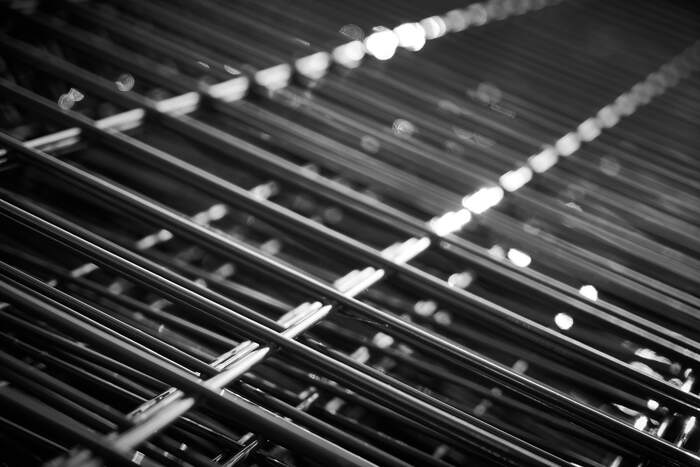
Reinforcing mesh is a fundamental element in construction and engineering, used to enhance the strength and durability of concrete structures. It improves load-bearing capacity, minimises cracking, and ensures stability across various applications. By evenly distributing stresses throughout the material, the mesh provides essential support where it is most needed. Its inclusion in both residential and commercial projects contributes to long-lasting, stable, and safer buildings. For high-quality materials and expert guidance, consider Reozone for your reinforcing mesh needs.
Understanding Reinforcing Mesh
Reinforcing mesh is a grid-like structure made from steel bars or wires, designed to enhance the tensile strength of concrete. Comprising interwoven vertical and horizontal elements, it supports concrete and prevents cracking or deformation under stress. Typically installed before pouring concrete, the mesh ensures even load distribution across surfaces. It is a critical component in foundations, slabs, walls, and pavements, providing durability and structural stability.
In concrete slabs, reinforcing mesh plays an especially vital role. The interconnected steel wires form a strong framework that absorbs and redistributes stresses, maintaining structural integrity under variable loads and environmental conditions. This reinforcement extends the lifespan of slabs and ensures safety, making it indispensable in modern construction.
Several types of reinforcing mesh are available to suit different needs. Welded wire mesh is commonly used for slabs and pavements, offering excellent load support. Steel reinforcing bars (rebar) provide extra strength in heavy load-bearing situations, while fibreglass mesh offers lightweight reinforcement with resistance to cracking. Additionally, specialised meshes are manufactured for unique applications, ensuring that construction projects can adapt to varying loads, environments, and design requirements.
Concrete Slab Patterns and the Use of Reinforcing Mesh
Concrete slab patterns not only enhance the appearance of surfaces but also improve functionality. These patterns, often stamped, stained, or etched, can mimic materials such as wood or stone, creating visually appealing and durable finishes. The chosen pattern typically depends on the setting, intended purpose, and design preference, balancing aesthetics with practicality.
Integrating reinforcing mesh within concrete slab patterns improves both durability and structural integrity. The mesh distributes loads evenly, increases tensile strength, and reduces cracking. Its strategic placement supports the architectural design while maintaining uniformity and balance. This combination ensures long-term performance and visual consistency in slab construction.
Factors to Consider When Selecting Reinforcing Mesh
When selecting reinforcing mesh, several key factors must be evaluated:
Structural Strength and Durability: The slab must meet required strength standards to withstand varying loads and environmental pressures. Using high-quality materials and effective design methods enhances longevity and reduces maintenance needs.
Site Dimensions and Layout: The construction site’s size and arrangement influence project efficiency and safety. A well-organised layout allows smooth movement of materials, equipment, and personnel, while ensuring sufficient space for operations and future development.
Regulatory Standards: Compliance with industry regulations ensures safety, quality, and environmental responsibility. Adhering to these standards promotes trust and maintains consistent performance across projects.

Guide to Selecting the Appropriate Reinforcing Mesh
Selecting the right mesh involves careful evaluation of project requirements:
Matching Mesh to Slab Specifications: The dimensions and load requirements of the slab must align with the type of mesh chosen. Environmental factors, such as exposure to moisture or chemicals, should also influence selection. Proper alignment within the slab helps prevent cracking and deformation over time.
Mesh Size: The mesh size must suit the application. Fine meshes are ideal for smaller, detailed structures, while coarser meshes are more suitable for large-scale or heavy-duty projects. Consideration of load, flow, and material type ensures that performance goals are met efficiently.
Mesh Shape and Slab Pattern: Aligning the mesh shape with the slab’s pattern maximises both strength and aesthetics. Tailoring the mesh design to complement slab layouts ensures uniform support and visual harmony in construction.
Steel Grade: Choosing the appropriate steel grade is essential for durability and safety. Factors such as tensile strength, corrosion resistance, and weldability should guide the choice. Consulting with engineers and material specialists helps ensure the right balance between cost-effectiveness and performance.
Conclusion
Selecting the appropriate reinforcing mesh is vital for achieving structural integrity and long-term reliability in construction. The correct mesh enhances load distribution, prevents cracking, and increases overall durability. By understanding the available types and their specific applications, engineers and architects can make informed decisions that uphold safety and quality standards. Careful planning and material selection lead to stronger, more resilient structures capable of withstanding environmental and operational challenges.
FAQs
What is the main purpose of reinforcing mesh in concrete structures?
Reinforcing mesh strengthens concrete by improving its tensile capacity. It helps distribute loads evenly and minimises cracking caused by shrinkage or external pressure, ensuring greater stability and longevity.
How do I choose the right type of reinforcing mesh for my project?
The selection depends on factors such as load requirements, environmental exposure, and structural design. Consulting an engineer or construction specialist helps determine the appropriate mesh type, size, and steel grade for the project’s specifications.
Can reinforcing mesh prevent all cracks in concrete slabs?
While reinforcing mesh significantly reduces the likelihood of cracking, it cannot eliminate it. Instead, it controls crack width and prevents structural damage by redistributing stress across the surface, thereby maintaining the integrity of the slab over time.
