


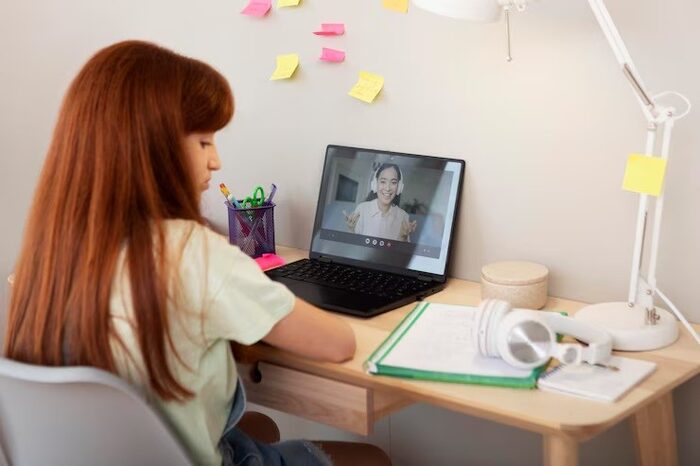
The conversation around student success often focuses on curriculum quality, instructional strategies, and access to resources. These are critical components, but the structure of the learning environment itself plays an equally powerful role. Rigid schedules, uniform pacing, and fixed classroom settings can limit the ability of students to fully engage. Flexibility in learning isn’t a peripheral benefit; it’s central to fostering motivation, deeper understanding, and sustained academic performance.
Today’s students are navigating complex lives. Many balance part-time jobs, extracurricular activities, family responsibilities, or mental health challenges alongside their academic commitments. Within this context, traditional school models can inadvertently become barriers to achievement. By contrast, virtual high school courses that allow for learning that fits your life give students greater control over when, where, and how they engage with content, often leading to more positive outcomes.
Learning at Optimal Times
Flexibility allows students to align their study habits with their peak productivity times. A night owl isn’t forced into early morning comprehension. A student experiencing anxiety isn’t penalized for needing breaks between lessons. The ability to access lessons asynchronously, revisit recorded lectures, or pause and reflect during virtual coursework helps learners engage at a level that fixed classroom timelines rarely permit. This isn’t about lowering standards; it’s about removing the unnecessary friction that interferes with learning.
The academic benefits of this approach are measurable. Students who learn at their own pace often demonstrate greater retention and deeper conceptual understanding. This is particularly evident in subjects that require mastery of foundational skills before progression, such as math or sciences.
The Benefits of Autonomy and Variety
When students have a say in how they learn by selecting modules, sequencing topics, or setting personal deadlines, for example, they take ownership of the process. This shift from compliance-based participation to active involvement helps transform students from passive learners into proactive ones. Research in educational psychology consistently links student autonomy with higher engagement levels and long-term academic success.
Flexible online classes also support differentiated instruction in a way that traditional classrooms often struggle to achieve. Every student has a unique learning profile shaped by cognitive style, upbringing, language proficiency, and several other factors. Virtual classrooms allow for the integration of multimedia resources, adaptive assessments, and alternative formats that speak to individual needs. Students can explore content in ways that resonate with them visually, audibly, and interactively, making the learning experience more inclusive and effective.
Fostering Critical Life Skills
Time management, self-discipline, digital literacy, and independent problem-solving are all reinforced when students manage their own educational path. These skills don’t just prepare learners for the next exam; they prepare them for postsecondary education and the workforce, where initiative and adaptability are essential.
Integrated Socialization
Importantly, flexibility does not mean isolation. Modern virtual classrooms often incorporate discussion boards, group projects, and peer feedback systems that support collaboration and community building.
Students can engage in rich discourse without needing to be in the same physical room, broadening their perspectives while sharpening their communication skills. When designed thoughtfully, flexible models provide both independence and interconnectedness, an optimal blend for personal and academic growth.
Ultimately, when learning environments are structured with flexibility, student needs become prioritized. The barriers that traditionally disengaged or disadvantaged certain learners, like rigid timetables, inaccessible teaching styles, or overstimulating environments, are replaced with supports that empower every student to thrive.
