


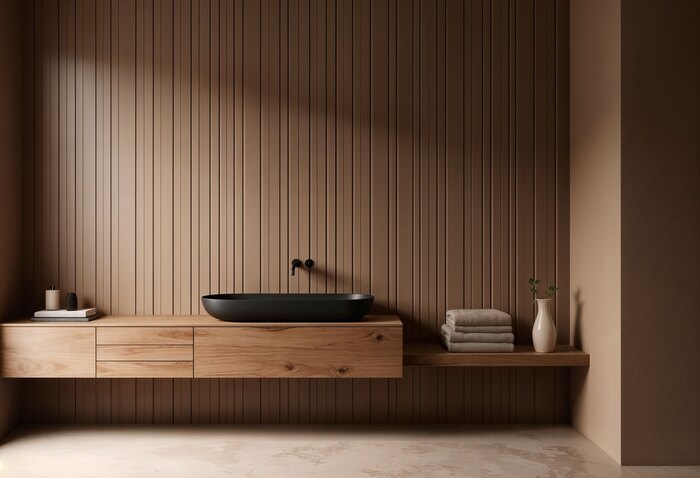
Indoor noise can significantly disrupt the calm and comfort of homes, offices, and other built environments. These unwanted sounds may stem from various sources, including household appliances, heating and cooling systems, nearby traffic, or neighbouring activities. Over time, persistent exposure to elevated noise levels can increase stress, reduce concentration, and negatively affect productivity. For spaces where focus, relaxation, or creativity is required, addressing noise issues becomes essential.
Creating a tranquil indoor environment goes beyond mere comfort. Reduced noise fosters mental clarity, emotional stability, and overall well-being. Occupants are better able to engage in restorative activities, from reading and meditation to focused work tasks. Quiet spaces also support physical health by lowering stress-related hormones, reducing fatigue, and promoting restful sleep. In workplaces, soundproofing can improve efficiency, employee satisfaction, and the overall atmosphere, while in homes it contributes to a sense of retreat from the busyness of daily life.
Principles of Soundproofing
Soundproofing is the practice of limiting the transmission of unwanted noise between spaces. This is achieved through materials and construction techniques designed either to absorb sound or block its passage. Common strategies include installing acoustic panels, soundproofing wood panels, dense drywall, or specialized insulation, as well as sealing gaps around doors, windows, and other openings. The effectiveness of these methods is often measured using a material’s Sound Transmission Class (STC) rating, which indicates its ability to reduce sound vibrations.
Sound moves through air, solids, and liquids as vibrations, creating waves of compression and rarefaction. Materials that absorb or dampen these vibrations help reduce noise levels significantly. Absorptive materials trap sound waves and prevent echoes, while damping materials convert sound energy into heat, dissipating it safely. Often, combining these techniques produces the best results, creating quiet and comfortable spaces in settings ranging from residential rooms to commercial offices and professional studios.
Wood as a Soundproofing Material
Wood has been valued for centuries not only for its beauty but also for its acoustic properties. Its natural density and flexibility allow it to absorb and dampen sound waves effectively, limiting noise transmission between rooms. In addition, wood reduces echo and reverberation, improving clarity and overall sound quality in spaces such as living areas, meeting rooms, and recording environments.
Different types of wood offer varied acoustic benefits. Dense hardwoods, such as oak and maple, excel at absorbing sound, whereas softer woods, like pine, offer natural insulation. Engineered wood products, including plywood and medium-density fibreboard (MDF), provide versatility while maintaining effective noise reduction. Layered wooden constructions further enhance soundproofing performance. As a result, wood becomes an ideal material for applications where both aesthetic appeal and acoustic functionality are required.
Function and Installation of Soundproof Wood Panels
Soundproof wood panels work by absorbing and dampening sound waves. Many panels incorporate dense cores and porous layers that convert acoustic energy into minimal heat. Thicker panels are particularly effective at blocking low-frequency noise, while specialized finishes or treatments can enhance overall performance. Beyond their functional qualities, these panels contribute warmth and texture to interior spaces, integrating sound management with design.
Proper installation is crucial for optimal results. Following manufacturer instructions ensures panels perform efficiently and maintain their longevity. Installation planning should consider potential challenges such as uneven surfaces, space limitations, or measurement inaccuracies. Partnering with experienced installers can streamline the process and reduce the likelihood of errors. Flexibility during installation allows for adjustments to unforeseen obstacles, ensuring both acoustic performance and aesthetic value are maximized.
Advantages of Soundproof Wood Panels
Soundproof wood panels offer a balance of effectiveness, cost, and longevity. Compared with alternatives such as foam or mass-loaded vinyl, wood panels provide reliable sound absorption and dampening while enhancing interior aesthetics. They are durable, environmentally friendly, and suitable for a variety of settings, including offices, classrooms, residential homes, and recording studios.
In addition to noise reduction, wood panels can complement interior décor, offering a natural and elegant finish. Their versatility allows for customized designs, from smooth polished surfaces to textured patterns, while still maintaining functional acoustic properties. This combination of performance and design makes wood panels a practical investment for long-term comfort and well-being.
Maintenance and Longevity
Regular maintenance ensures wood panels continue to perform effectively. Routine inspections can detect early signs of wear, warping, or damage that might compromise soundproofing efficiency. Cleaning with appropriate methods prevents the accumulation of dust or debris that could interfere with the panel’s acoustic properties. Timely repairs and preventive care help preserve both the functionality and appearance of the panels, ensuring that indoor environments remain quiet, comfortable, and aesthetically pleasing over time.
By integrating wood-based soundproofing solutions, spaces can achieve a balance of tranquility, style, and practicality. Whether in residential or commercial settings, these panels offer long-term benefits, promoting mental clarity, physical comfort, and improved productivity. The combination of natural acoustic properties, visual appeal, and sustainable performance makes wood an enduring choice for anyone seeking effective indoor noise management.
