


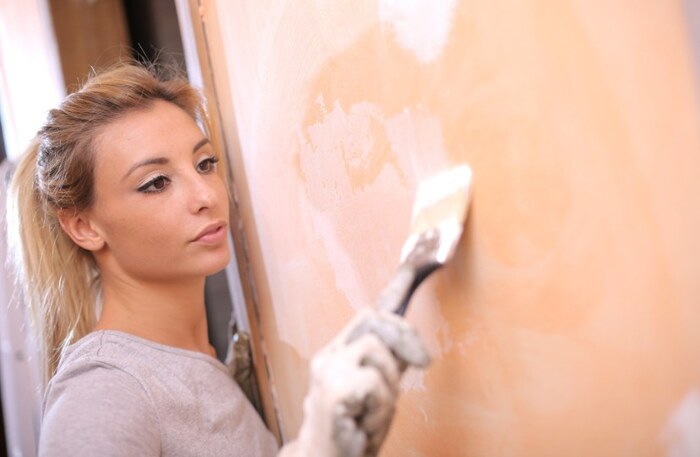
Discover the art of applying textured paints with our step-by-step guide! Enhance your home’s aesthetic uniquely.
Textured Paints
Textured paints are specially formulated coatings that create unique patterns or finishes on walls and ceilings. When applying textured paints, homeowners and professionals can achieve distinctive visual depth and character that standard flat paints cannot provide. They contain additives that allow for raised or patterned effects, ranging from subtle textures to bold, three-dimensional designs. These coatings can completely transform a room, turning ordinary walls into visually appealing features.
There are several types of textured paints available. Popular options include stucco finishes, knockdown textures, popcorn ceilings, and sand-based coatings. Each offers a different visual and tactile effect, making it important to choose a finish that complements your home’s style.
The benefits of textured paints extend beyond aesthetics. They effectively hide imperfections such as small cracks or uneven plaster, reduce the appearance of wear and tear over time, and can even provide slip resistance in high-traffic areas. This combination of visual and functional advantages makes textured paints a versatile choice for homeowners.
Picking the Perfect Textured Paint for Your Home
Choosing the right textured paint involves several factors. Start by considering the type of surface you want to paint, the level of durability required, and the desired aesthetic effect. The color palette should also complement the rest of the room’s decor, furniture, and lighting to create a harmonious environment.
Different brands offer varying finishes, textures, and application techniques. Comparing options helps you find products that match your needs, whether you are aiming for a minimalist look, a rustic feel, or a bold, modern statement. Lighter textures work well in small spaces, while heavier textures can add drama to large walls or accent areas.
Consider your home’s overall style when choosing colors and textures. Neutral tones paired with subtle textures can create a sophisticated and calm atmosphere. Vibrant colors with pronounced textures can energize a room, while metallic finishes or specialty additives can provide a luxurious touch. The right combination enhances your interior design while highlighting key features of your home.
Preparing the Surface for Painting
Proper surface preparation is essential for achieving long-lasting and professional results. Begin by cleaning the walls to remove dust, grease, or debris that could interfere with paint adhesion. Sand uneven areas gently to smooth the surface and fill any small cracks or holes with appropriate fillers.
Necessary tools for surface preparation include sandpaper, cleaning cloths, sponges, scrapers, and protective coverings. Using these tools properly ensures your surface is ready to accept textured paint, reducing the likelihood of defects or peeling. Applying a primer can also improve adhesion, especially on porous or previously painted surfaces.
A well-prepared surface provides a strong foundation for your textured paint, ensuring that the finish lasts longer and looks consistent. Skipping these steps may result in an uneven texture, bubbling, or premature wear over time.
Essential Tools Needed for Applying Textured Paint
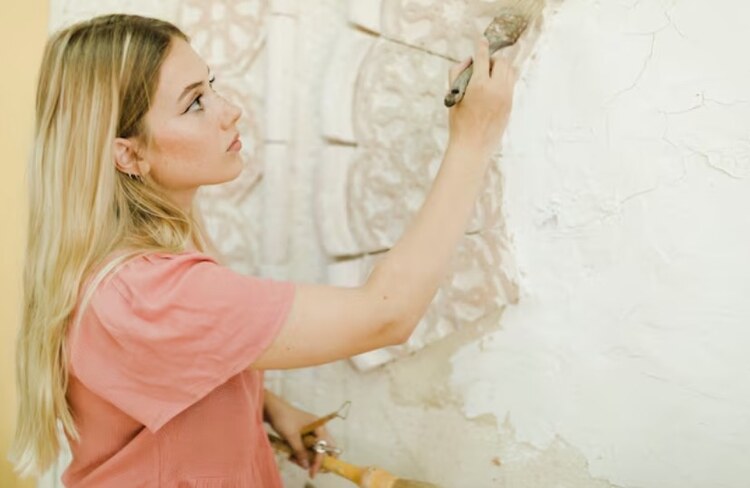
Applying textured paint requires a few key tools for optimal results. Common items include brushes, rollers, trowels, sponges, and combs, each serving a specific purpose depending on the effect you want to achieve. Specialty rollers or stamps can create unique patterns, while trowels and spatulas are ideal for thicker, plaster-like textures.
Understanding the purpose of each tool is critical. Rollers help cover large areas efficiently, brushes allow for precise edges and corners, and sponges or combs can add artistic effects. Selecting the right tool ensures consistent application and helps achieve the desired texture.
Investing in quality tools improves both the process and the outcome. Reliable equipment is easier to control, reduces effort, and prevents damage to the painted surface. Many tools can be found at local hardware stores or online, making them accessible to most DIY enthusiasts.
Tips and Tricks for Maintaining Your Textured Walls
Maintaining textured paint is straightforward. Regularly dust walls with a soft brush or cloth to prevent buildup. For deeper cleaning, use a mild soap solution applied gently with a sponge. Avoid abrasive scrubbing to preserve the texture’s integrity.
Prevent common maintenance mistakes by keeping surfaces dry and avoiding harsh chemicals that could damage the paint. Conduct occasional inspections to catch small chips or wear before they become noticeable.
Professional assistance may be necessary for extensive repairs, complex textures, or areas that are difficult to reach. Experts can restore texture without compromising the design, ensuring your walls remain visually appealing over time.
Embracing the Textured Paint Trend: Showcasing Your Unique Home Aesthetic
Textured paints can dramatically elevate your home’s interior design. By adding depth and dimension to walls, they create engaging focal points and a unique atmosphere. Complementing textured walls with coordinated furniture, lighting, and accessories enhances the overall aesthetic.
For example, combining soft lighting with textured surfaces can create shadows that highlight patterns, while bold accent walls can serve as artistic statements. Mixing textures with smooth finishes or natural materials creates visual contrast, enhancing a room’s sophistication and appeal.
Many homeowners have transformed ordinary spaces into standout environments by creatively using textured paints. From contemporary lofts to rustic countryside homes, textured walls have become an accessible and striking way to personalize living spaces.
