


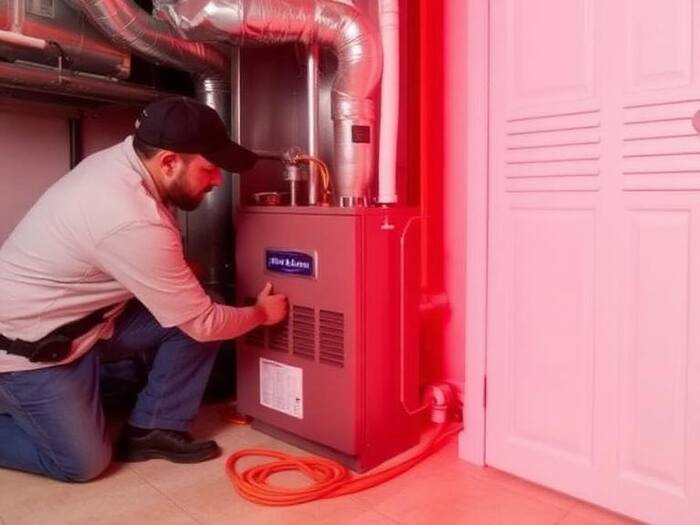
Furnace overheating causes serious stress on heating systems in Surprise homes, even during winters that feel mild compared to other regions. Many homeowners feel surprised when a furnace shuts down, blows cool air, or triggers safety controls despite moderate outdoor temperatures. Overheating often hides behind these symptoms and develops quietly until performance drops or damage begins.
Desert homes face unique conditions that contribute to furnace overheating. Dust buildup, long cooling seasons, and sudden cold snaps push systems that sit idle for months back into heavy use. Without proper airflow and internal balance, heat builds faster than the system can release it. Repairs play a major role in stopping overheating early and protecting the furnace from long-term damage.
Understanding why overheating happens helps homeowners recognize warning signs and act before the system suffers permanent harm.
Why Furnace Overheating Happens in Surprise Homes
Overheating occurs when heat cannot move away from critical components fast enough. Furnaces rely on steady airflow to carry heat through ducts and into living spaces. Anything that disrupts that process causes internal temperatures to rise.
Surprise homes often experience dust accumulation inside ducts and equipment due to dry desert conditions. That buildup restricts airflow and traps heat inside the furnace cabinet. Extended cooling seasons also leave heating systems unused for long periods. Parts dry out, debris settles, and airflow pathways narrow before winter begins.
Once heating demand returns, the furnace works harder than expected. The heat exchanger warms rapidly, internal sensors detect unsafe temperatures, and the system either shuts down or cycles repeatedly.
Dirty Air Filters and Restricted Airflow
A clogged air filter ranks as the most common cause of furnace overheating. Filters collect dust, pet hair, and debris. Over time, that buildup restricts airflow.
When air moves too slowly across the heat exchanger, heat remains trapped inside the furnace. Internal temperatures climb quickly and trigger safety switches. Some systems shut down entirely, while others cycle on and off repeatedly.
Replacing or cleaning filters restores airflow and allows heat to move away from sensitive parts. Regular filter checks reduce overheating risk and protect internal components from strain.
Blocked or Undersized Ductwork
Ductwork plays a key role in heat movement. Blocked ducts limit airflow just as much as dirty filters. Furniture, closed vents, collapsed duct sections, or poor design all restrict circulation.
Undersized ducts create similar problems. Even with a clean filter, air cannot move fast enough through narrow passages. Heat builds inside the furnace instead of distributing evenly throughout the home.
Repair visits often uncover duct issues that homeowners never noticed. Clearing blockages and correcting airflow imbalances allow the furnace to release heat safely.
Blower Motor Problems
The blower motor pushes warm air through the system. When the motor weakens or slows down, airflow drops. Heat remains trapped inside the furnace cabinet longer than intended.
Dust buildup, worn bearings, or electrical wear reduce blower performance. The motor may still run, yet it fails to move enough air to prevent overheating.
Technicians inspect motor speed, electrical draw, and airflow output during service visits. Cleaning, adjustment, or replacement restores proper circulation and protects the furnace from heat damage.
Limit Switch Activation and What It Signals
The limit switch acts as a safety device that shuts down the furnace when temperatures exceed safe levels. Frequent shutdowns often signal overheating rather than random failure.
Many homeowners notice the furnace turning off before reaching the thermostat setting. Cool air may blow briefly while the blower runs without heat. These symptoms indicate the limit switch protecting the system.
Repair visits focus on identifying the cause of high temperatures rather than replacing the switch alone. Restoring airflow and correcting internal issues prevents repeated shutdowns.
Read Also: How to Diagnose Problems with a Bad Furnace Ignitor
Heat Exchanger Stress and Long Term Risk
The heat exchanger handles extreme temperature changes during each heating cycle. Overheating places extra stress on this component and shortens its lifespan.
Repeated overheating causes metal fatigue and uneven expansion. Over time, this stress increases the risk of cracks. A damaged heat exchanger affects efficiency and safety.
Repairs that address overheating protect the exchanger and extend system life. Proper airflow and clean internal surfaces reduce temperature extremes and keep heating cycles balanced.
Dust Accumulation Inside the Furnace
Surprise homes experience high dust levels due to desert conditions. Dust settles inside furnace cabinets, burners, and airflow paths during long off seasons.
That buildup insulates components and traps heat. Burners may not release heat evenly, which creates hot spots inside the furnace.
Service inspections remove accumulated dust and debris. Cleaning restores proper heat transfer and reduces overheating risk.
Improper Gas Pressure or Burner Issues
Gas furnaces rely on balanced fuel delivery. Incorrect gas pressure causes burners to produce excessive heat or uneven flames.
Overfiring generates more heat than the system can handle. The heat exchanger warms too quickly, and internal temperatures rise beyond safe limits.
Technicians measure gas pressure and inspect burner operation during repairs. Adjustments ensure heat output matches system design and airflow capacity.
Venting Problems That Trap Heat
Proper venting removes combustion gases and excess heat. Blocked or damaged vents trap hot air inside the furnace.
Bird nests, debris, or disconnected vent pipes prevent proper exhaust flow. Heat builds rapidly and forces the system into shutdown.
Repair visits include vent inspection to ensure safe heat release. Clearing obstructions and securing connections prevents overheating and improves system safety.
Read Also: The Top Furnace Odors You Shouldn’t Ignore
Short Cycling Linked to Overheating
Short cycling occurs when the furnace turns on and off frequently. Overheating often triggers this pattern.
The system heats up quickly, shuts down to cool, then restarts once temperatures drop. This cycle repeats and increases wear on components.
Repairs address the root cause by restoring airflow and correcting heat balance. Once temperatures stabilize, the furnace runs longer, smoother cycles.
Thermostat Placement and Control Issues
Thermostat location influences furnace operation. Poor placement near heat sources or drafts causes inaccurate readings.
The furnace may run longer than necessary, which increases internal temperatures. Overheating risk rises as the system struggles to match inaccurate signals.
Service inspections assess thermostat function and placement. Adjustments improve system communication and prevent unnecessary run time.
Aging Systems and Reduced Tolerance
Older furnaces tolerate overheating less effectively. Years of use weaken internal parts and reduce efficiency.
Dust buildup, worn motors, and aging sensors all contribute to overheating risk. Even minor airflow issues can trigger shutdowns in older units.
Repair visits help stabilize aging systems by restoring airflow and correcting wear related issues. Early intervention delays major damage and extends service life.
How Repairs Prevent Permanent Damage
Timely repairs stop overheating before it harms critical components. Airflow restoration lowers internal temperatures. Cleaning removes insulating dust layers. Motor service improves circulation.
Each repair reduces stress on the heat exchanger, blower motor, and electrical controls. Balanced operation keeps temperatures within safe ranges.
Preventive service costs far less than replacing damaged components caused by unchecked overheating.
Read Also: A Homeowner’s Guide to the Different Types of Furnaces
Warning Signs Homeowners Should Not Ignore
Certain signs often point to overheating issues. Warm air stops suddenly. The furnace shuts down repeatedly. The blower runs without heat. Burning smells appear during operation.
Ignoring these signals allows heat damage to build. Repair visits catch these issues early and prevent system failure.
Listening to these warning signs protects comfort and safety.
Seasonal Maintenance Reduces Overheating Risk
Routine maintenance before heating season prepares the system for operation. Filters get replaced. Airflow paths get cleared. Motors and burners receive inspection.
This preparation reduces the chances of overheating during the first cold nights. Systems that start clean and balanced handle demand more effectively.
Maintenance also reveals hidden issues that develop during long off periods.
Why Overheating Feels Sudden but Develops Slowly
Overheating often feels like a sudden failure, yet it builds over time. Dust accumulates slowly. Airflow decreases gradually. Motors weaken over years.
The first cold nights simply expose problems that already existed. Repair visits address these hidden issues and restore reliable operation.
Understanding this process helps homeowners act sooner.
Protecting Comfort and System Longevity
Furnace overheating disrupts comfort and threatens system health. Repairs that restore airflow, clean components, and balance operation prevent damage.
Homes in Surprise benefit from attentive service due to unique environmental conditions. Addressing overheating early preserves comfort and extends equipment life.
A furnace that runs within safe temperatures delivers steady warmth without shutdowns or stress.
Read Also: The Importance of Furnace Maintenance
