


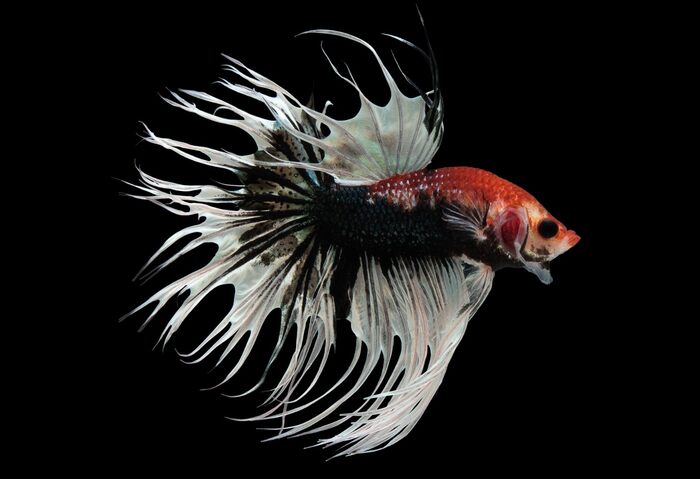
“🐠 Dive into our guide & explore the majestic beauty of Elephant Ear Male Betta! Learn comprehensive care tips to keep your fish happy & healthy. 🌟”
Caring for a Betta requires attention to its living space, water quality, feeding routine, and daily stimulation. A well-managed environment allows this species to display its full range of colors and natural behaviors. By maintaining proper conditions, owners support a long and comfortable life for their fish.
A Distinctive Variety: The Elephant Ear Male Betta
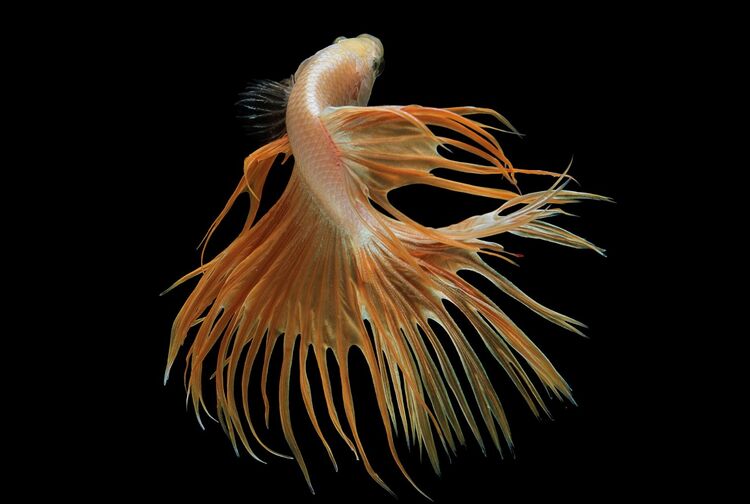
The Elephant Ear Male Betta stands out through its broad, flowing pectoral fins that resemble the ears of an elephant. This feature creates a striking silhouette, giving the fish a graceful appearance that appeals to hobbyists worldwide. This variety differs from many others within the Betta family, making it a popular choice among aquarists who appreciate unique fin structures.
Origins and Influence of Habitat
Every species develops characteristics shaped by its place of origin. Local water conditions, temperature patterns, and ecological pressures influence both appearance and behavior. These influences contribute to the wide diversity seen among Betta varieties, including the impressive form of the Elephant Ear Male Betta.
Understanding Betta Behavior
Behavioral Traits
Many Bettas display consistent patterns in how they move, feed, and interact with their surroundings. These tendencies provide insight into their routine and comfort levels. Observing these habits helps owners detect early signs of stress or illness.
Territorial Nature
This variety is known for defending its space. Territorial behavior often appears during feeding, during encounters with other fish, or when the Betta feels its area is being threatened. This instinct has deep biological roots and contributes to how the fish establishes its position within a shared environment.
Interaction with Tank Mates
Fish communicate and interact in many ways: through movement, positioning, and feeding responses. Some prefer to gather in groups for protection, while others claim a section of the tank as their own. Understanding these tendencies helps owners determine which species can coexist without causing stress or frequent conflict.
Housing Requirements for Elephant Ear Male Betta
Tank Size and Setup
A generous tank provides cleaner water, ample swimming room, and a calmer environment. Larger spaces dilute waste more effectively and reduce pressure on the fish, promoting steady growth and natural movement. Plants, smooth decorations, and gentle filtration support a comfortable setting for this species.
Suitable Tank Companions
Only peaceful and non-aggressive species should share a tank with an Elephant Ear Male Betta. Compatible companions must thrive in similar water conditions and avoid displaying behaviors that provoke territorial responses. When matched correctly, the tank remains balanced and visually appealing.
Dietary Requirements
Nutritional Needs
Good nutrition is key for bright colors, strong fins, and steady energy levels. A varied diet supports the immune system and reduces the likelihood of dietary-related problems. The right nutrients contribute to natural growth and stable behavior.
Suitable Food Choices
High-quality pellets, freeze-dried options, and occasional protein-rich treats support a well-rounded diet for this Betta variety. Reliable sources help maintain freshness and nutritional value, promoting long-term health and natural activity.
Feeding Routine
Consistent feeding habits prevent overeating and water pollution. Small portions delivered at set times encourage good digestion and maintain clean water conditions. This approach helps the fish develop predictable patterns and reduces stress.
Health and Wellness
Regular tank upkeep, water changes, and observation contribute to a healthy lifestyle for the Elephant Ear Male Betta. Early detection of odd behavior or physical changes makes treatment far easier. A stable environment supports overall wellness and longevity.
Breeding Elephant Ear Male Betta
The Breeding Process
Breeding involves choosing a healthy pair, placing them in a controlled space, and observing their interactions. Once spawning occurs, the male typically guards the bubble nest and tends to the eggs. Careful monitoring prevents unwanted stress during this phase.
Preparing the Male for Breeding
A clean, spacious tank creates the right setting for breeding. The male must be well-fed, active, and free from infection. Calmer surroundings, stable water conditions, and gentle lighting help prepare him for the process.
Post-Breeding Care
After breeding, both adults require a safe space to recover. Nutrient-rich food, clean water, and a quiet environment support healing and reduce strain on the fish. The fry must be raised in conditions suited to their delicate stage of development.
Sustainability and Conservation
Responsible Care
Proper husbandry supports the well-being of the Elephant Ear Male Betta and encourages humane treatment. Responsible ownership strengthens the bond between humans and animals and ensures that the species continues to flourish within domestic settings.
Supporting Population Health
Maintaining clean water, preventing overcrowding, supporting ethical breeding programs, and protecting natural sources help preserve strong genetic lines. These practices contribute to long-term species stability.
Conclusion
The Elephant Ear Male Betta is admired for its striking appearance, graceful movement, and engaging personality. With the right care, this variety thrives in home aquariums and rewards its owner with lasting beauty and steady activity. A thoughtful approach to housing, nutrition, breeding, and overall well-being allows this fish to live a healthy and fulfilling life.
Read Also:
