


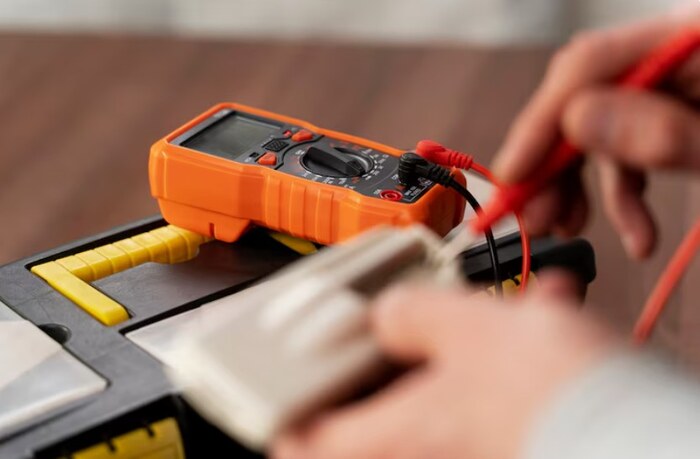
Oscilloscopes in Different Fields
In electronics and engineering, oscilloscopes are essential tools for visualising electronic signals, diagnosing circuit issues, and supporting research and development. They allow engineers, technicians, and hobbyists to observe signal characteristics such as amplitude, frequency, and distortion in real time. While brand-new oscilloscopes can be expensive, investing in reliable used models provides access to high-quality instruments that might otherwise be financially out of reach. By carefully assessing condition, calibration, warranty, and vendor reputation, users can acquire dependable oscilloscopes that meet both technical and budgetary requirements.
The Value of Quality and Reliability
High-quality, dependable used oscilloscopes deliver accurate measurements and enhance troubleshooting efficiency. Reliable instruments reduce the risk of errors and increase productivity, supporting a wide range of applications in electronics, telecommunications, research, and education. Refurbished oscilloscopes maintain performance consistency, allowing users to work confidently with advanced technology without the high cost of new equipment.
Affordable Measurement Solutions
Affordable measurement solutions are crucial for promoting access to precision tools across industries. By providing budget-friendly options, used oscilloscopes enable individuals and organisations to gather accurate data, make informed decisions, and innovate without financial limitations. Such tools democratize technology, allowing a broader audience to engage in scientific, educational, and professional pursuits effectively.
An oscilloscope is an electronic instrument that visualises voltage signals over time, displaying waveforms on a screen. It helps users monitor signal behaviour, detect anomalies, and analyse circuit performance. By examining waveforms, engineers can diagnose faults, measure response times, and optimise electronic designs, making oscilloscopes indispensable across multiple technical fields.
Different Types of Oscilloscopes
Oscilloscopes are available in various types to suit different requirements. Analog oscilloscopes use cathode ray tubes to display waveforms, offering real-time visualisation of signals. Digital oscilloscopes leverage modern electronics to provide enhanced precision, storage, and analysis capabilities. Mixed-signal oscilloscopes combine analog and digital functions, allowing users to analyse complex signals effectively. Each type serves specific applications, enabling users to choose the most suitable tool for their projects.
Typical Cost of New Oscilloscopes
New oscilloscopes vary in price depending on features and specifications. Entry-level models start around $300, while advanced digital oscilloscopes with multiple channels and high bandwidth can exceed $10,000. Professional and research-grade instruments command premium prices, reflecting their enhanced capabilities. For many users, purchasing a reliable used oscilloscope presents a cost-effective alternative without compromising functionality.
Cost-Effectiveness
Used oscilloscopes provide an economical solution for both professionals and hobbyists. They deliver essential features at a fraction of the cost of new models, making it possible to acquire high-quality equipment without overextending budgets. This cost-effectiveness enables individuals and organisations to expand their testing capabilities affordably.
Efficiency and Performance
High-quality used oscilloscopes offer excellent efficiency and accuracy in signal measurement. They allow users to troubleshoot circuits, analyse waveforms, and verify designs reliably. Advanced features in refurbished models can include data storage, signal analysis, and multiple input channels, streamlining workflows and improving productivity in research and technical projects.

Sustainability Benefits
Purchasing used oscilloscopes is a sustainable practice, reducing electronic waste and extending the lifespan of existing devices. It promotes responsible consumption, conserves resources, and contributes to a circular economy. By reusing equipment, users minimise environmental impact while maintaining access to high-performance instruments.
Warranty and Support
Reliable used oscilloscopes often come with limited warranties or service guarantees. Some manufacturers provide documentation on calibration and maintenance history. Additionally, technical support from manufacturers or online communities ensures that users can troubleshoot issues and obtain replacement parts when necessary, offering reassurance and long-term usability.
Focus on Quality and Reliability
Prioritising quality and reliability ensures that a used oscilloscope functions consistently and meets expectations. Reliable devices support accurate measurements and minimise downtime, fostering confidence in both professional and personal applications.
Tips for Checking Condition and Performance
Evaluate the oscilloscope carefully by inspecting the display for clarity, testing controls for responsiveness, and verifying signal accuracy with known inputs. Examine connections and probes for wear or damage. Assess specifications such as bandwidth, sample rate, and channel availability to ensure compatibility with intended applications. Documentation of maintenance or calibration history can provide further assurance of performance.
Importance of Warranty and Technical Support
A warranty and access to technical support are critical when purchasing used oscilloscopes. They offer peace of mind, protect the investment, and provide assistance with any operational issues. Buyers should verify warranty terms, available service options, and manufacturer support policies before purchasing.
Research and Market Availability
A thorough analysis of the used oscilloscope market highlights models suitable for various applications, from hobbyist electronics to professional engineering tasks. Buyers can compare features, performance specifications, and price points to select instruments that provide maximum value.
Comparison and Analysis
Evaluating oscilloscopes side by side helps identify the best choices based on bandwidth, number of channels, memory depth, display quality, and price. Such comparisons allow buyers to select models that match both their technical requirements and budget constraints.
Conclusion
Used oscilloscopes offer an affordable, reliable, and sustainable solution for measuring and analysing electronic signals. By choosing trusted brands, evaluating condition, and verifying warranty coverage, users can gain access to high-performance instruments that meet their technical needs without compromising quality. Whether for hobbyist projects, education, or professional engineering, investing in a used oscilloscope delivers efficiency, accuracy, and long-term value.
