


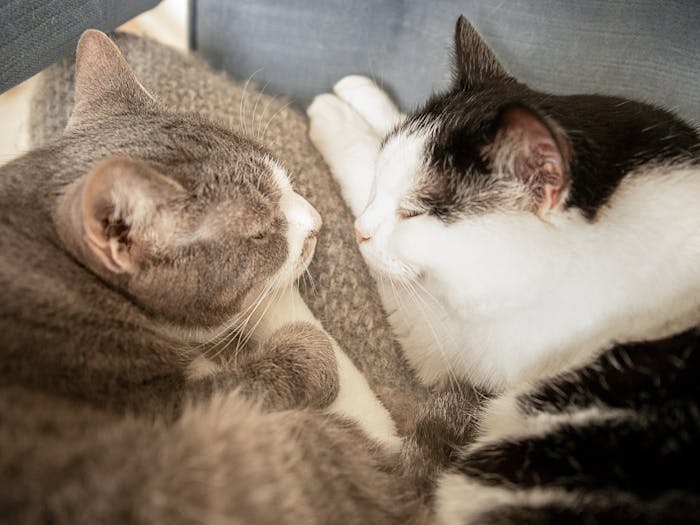
You care about your cat. You want a long, steady life for that small body that trusts you. Spay and neuter services are not extra. They are basic care. These surgeries stop surprise litters. They also lower the risk of certain cancers and infections. Many cats suffer in silence from problems that simple surgery could prevent. In cities, homeless cats fill shelters. Many are turned away. Some are put down. Your choice today can stop that pain. This is true whether you visit a neighborhood clinic or a spay and neuter veterinarian in Edmonton. You gain peace of mind. Your cat gains safety and comfort. The community gains fewer stray cats and fewer hard choices. This blog explains why these surgeries matter, what to expect, and how to prepare your cat.
Why spay and neuter surgeries matter for your cat
Spaying and neutering surgeries protect your cat from health problems. They also calm hard behaviors that strain your home.
- Spayed female cats face a much lower risk of breast tumors. The risk drops most when surgery happens before the first heat.
- Neutered male cats do not get testicular cancer. They also face fewer prostate problems.
- Both spayed and neutered cats have fewer infections of the uterus or testicles.
The Centers for Disease Control and Prevention notes that healthy pets protect people. A cat that feels well scratches and bites less. This lowers stress at home. It also protects children and older adults.
How spay and neuter change behavior
Hormones drive many hard cat behaviors. Surgery lowers these hormones. The change often helps your whole family.
- Neutered males roam less. They stay closer to home. This lowers the risk of cars, fights, and lost cats.
- Spraying of urine often drops or stops after neuter surgery.
- Spayed females do not go into heat. They stop loud crying and restless pacing.
You still need to train and guide your cat. Surgery does not change the core nature of your cat. It removes the push to mate. This makes training easier. It also calms tension between cats in the same home.
Impact on shelters and community cats
Every year, shelters receive more cats than they can place. Many kittens arrive sick or weak. Staff faces harsh choices. Your one choice to spay or neuter may feel small. Yet it cuts off many future litters.
The Oregon State University College of Veterinary Medicine describes early spay and neuter as safe when done by trained staff. Early surgery also slows the flow of kittens into shelters. This protects shelter staff from burnout. It also protects wild birds and small animals that free-roaming cats hunt.
Health and behavior comparison
The table below shows common differences between fixed and unfixed cats. Each cat is unique. Yet these trends appear again and again in homes and clinics.
| Factor | Spayed / Neutered Cat | Unspayed / Unneutered Cat
|
| Risk of certain cancers | Lower | Higher |
| Roaming and getting lost | Less common | More common |
| Spraying urine in the home | Less common | More common |
| Heat cycles and loud calling | None | Regular |
| Unexpected litters | None | High chance |
| Risk of shelter surrender | Lower | Higher |
When to schedule the surgery
Clinics often suggest surgery when kittens are a few months old. You can spay or neuter adult cats, too. The timing depends on:
- Age and weight of your cat
- Other health conditions
- Indoor or outdoor life
Talk with the clinic about the best time. Ask clear questions. Ask what they watch for before surgery. Ask how they control pain. You deserve clear answers. Your cat deserves careful planning.
What to expect on surgery day
The steps are simple and steady in most clinics.
- You withhold food for the time the clinic states.
- You bring your cat in a secure carrier.
- Staff check weight, heart, and breathing.
- Your cat receives medicine for sleep and pain.
- The surgery site is cleaned. The surgeon removes the reproductive organs.
- Your cat wakes in a quiet space under watch.
Many cats go home the same day. Some stay overnight for a closer watch. The clinic will tell you what to expect. They will also tell you who to call if you worry.
How to care for your cat after surgery
Home care protects healing. It also lowers your stress. Use three simple steps.
- Keep your cat in a small, calm room. Offer a soft bed, food, and water. Use a low litter box.
- Stop licking and biting at the stitches. Use a collar or recovery suit if the clinic suggests it.
- Watch the cut each day. Look for swelling, redness, discharge, or bad smell. Call the clinic if you see these signs.
Most cats move with care for a few days. Then they return to normal play. Follow the clinic guide on when to lift, play, and jump limits.
Cost, help, and making the choice
Cost can feel heavy. Many communities offer lower-cost clinics. Some shelters give vouchers. Ask local groups. Ask your city or county animal services office. Early costs prevent larger bills from infections, injuries, and the care of new kittens.
Spaying and neutering surgery is a clear act of care. It protects your cat. It protects your family. It protects other animals you will never see. Your choice carries weight. You do not stand alone. Clinics, shelters, and public health agencies stand ready to guide you.
Read Also: Three Simple Ways to Keep Your Cat Healthy
