


Australia is located southeast of Asia. It is known for natural wonders like the Great Barrier Reef, Daintree Rainforest, Uluru, and Kakadu National Park. New Zealand is situated to the southeast of Australia. It is one of the major landmasses settled by humans. And an interesting fact: New Zealand has more sheep than people.
Australia and New Zealand offer wildlife encounters that feel almost unreal. Their isolation shaped animals and ecosystems found nowhere else on Earth. For travelers who love nature, these two countries deliver experiences that go far beyond a zoo or safari park.
Many travelers choose luxury tours to Australia to experience these rare encounters while enjoying expert guidance and well-planned travel. From observing kangaroos and koalas in the wild to swimming with dolphins or spotting whales along the coast, these encounters let travelers connect with nature ethically and sustainably.
Choosing guided, low-impact experiences ensures you enjoy unforgettable wildlife moments while protecting the animals and their habitats.
Below are five wildlife experiences to explore in Australia and New Zealand.
1. Meet Kangaroos and Wallabies in the Wild
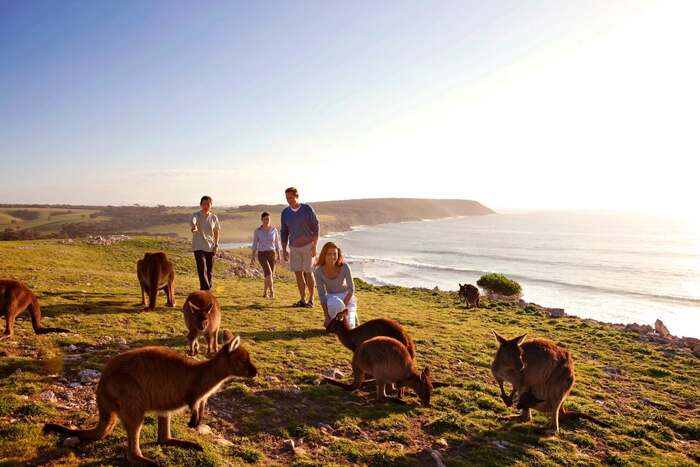
Seeing kangaroos and wallabies in their natural environment is very different from seeing them in controlled spaces. In Australia, these animals roam freely across beaches, grasslands, and national parks. Encounters often happen unexpectedly and feel very natural.
You may spot them early in the morning or near sunset. They move calmly and seem part of the landscape. This kind of experience is unique to Australia.
2. Snorkel With the Great Barrier Reef’s Marine Life
The Great Barrier Reef is one of the most diverse marine ecosystems in the world. Snorkeling or diving here puts you face-to-face with colorful fish, sea turtles, and coral formations. The scale and variety are unmatched.
Clear waters allow excellent visibility. Even beginners can enjoy the experience with guided support. This underwater wildlife encounter is exclusive to Australia’s coastline.
3. Observe Koalas in Eucalyptus Forests
Koalas are often associated with images, but seeing one in the wild is special. In certain regions of Australia, koalas live freely in eucalyptus forests and coastal areas. Watching them rest or climb feels peaceful and intimate.
These sightings usually happen quietly. Visitors learn how koalas survive on a very specific diet. It highlights how fragile and unique Australia’s wildlife really is.
4. Swim With Dolphins in New Zealand
New Zealand offers rare opportunities to swim alongside dolphins in open water. These encounters happen under strict guidelines that protect both humans and animals. The experience feels respectful and natural.
Dolphins often approach swimmers out of curiosity. Their movements are gentle and playful. This connection creates a strong emotional memory for many travelers.
5. Spot Whales Along New Zealand’s Coast
New Zealand is one of the best places to observe whales from both land and sea. Certain coastal areas are known for regular sightings during migration seasons. These moments are powerful and humbling.
You might see whales breaching or swimming close to shore. Guided tours share insight into their behavior and migration patterns. It is a reminder of how connected the ocean ecosystem is.
6. Experience Nocturnal Wildlife in Australia
Australia’s wildlife becomes very active after dark. Night tours allow visitors to see animals that remain hidden during the day. This includes possums, wombats, and other native species.
These tours are quiet and carefully managed. They reveal a different side of nature. For many travelers, it becomes a highlight of the trip.
Why These Experiences Feel So Special
What makes wildlife encounters in Australia and New Zealand stand out is authenticity. Animals are seen in environments that remain largely untouched. Interactions are guided by conservation and respect.
Travelers on luxury tours to Australia often gain access to private reserves, expert guides, and low-impact experiences. This combination allows a deeper understanding without disturbing nature. It also adds comfort to remote exploration.
Planning Matters for Wildlife Travel
Wildlife experiences depend on timing and location. Seasons affect migration, visibility, and animal behavior. Planning ahead improves the chances of meaningful encounters. Guided planning also ensures ethical practices are followed. This protects wildlife and enhances the experience. It turns sightseeing into learning.
Key Takeaways
- Australia and New Zealand offer animals found nowhere else.
- Wildlife encounters happen in natural environments.
- Marine life experiences are world-class.
- Ethical and guided tours improve safety and respect.
- Timing plays a major role in sightings.
- These experiences create lasting emotional memories.
