


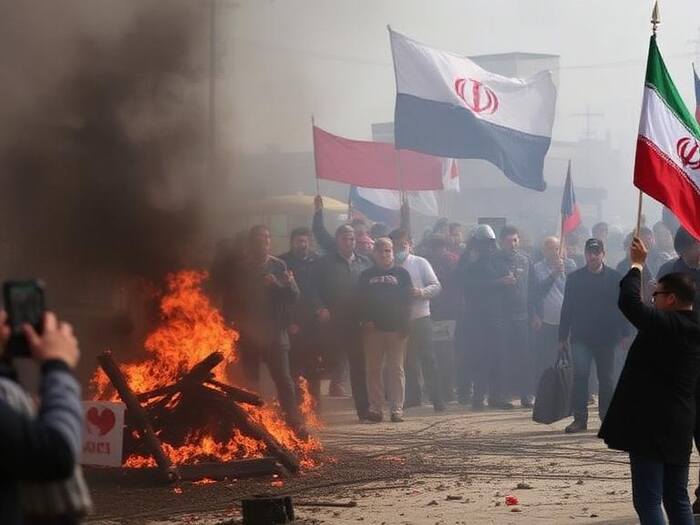
Iran has signaled that it is both “prepared for war” and open to negotiations with the United States, as widespread anti-government protests continue across the country and international tensions escalate. The comments come amid mounting casualties, mass arrests, and a prolonged communications blackout that has limited information coming out of Iran.
U.S. President Donald Trump said this week that Tehran had reached out to explore negotiations, even as his administration considers possible military intervention. Iranian officials have responded by stating that talks are possible only if they are based on “mutual respect and interests,” emphasizing that Iran will not negotiate under pressure or threats.
Protests Enter Third Week Amid Deadly Crackdown
The demonstrations, which began over economic grievances, have evolved into broader protests against government policies and leadership. According to a U.S.-based human rights organization, more than 500 protesters have been killed and nearly 10,700 people have been arrested since the unrest began.
The protests have now entered their third week, with reports of demonstrations continuing in major cities despite intensified security measures. Authorities have deployed additional forces and imposed strict controls on movement in some areas.
Communications Blackout Limits Information Flow
Iranian authorities have enforced a nationwide communications blackout that has lasted more than three days, severely restricting internet access and social media platforms. The blackout has made it difficult to independently verify events on the ground and has disrupted daily life, affecting businesses, education, and access to emergency services.
Human rights groups and international observers have criticized the shutdown, arguing that it limits transparency and prevents the global community from fully assessing the situation.
International Incidents Reflect Global Impact
The unrest has spilled beyond Iran’s borders, with protests and related incidents reported overseas. In Los Angeles, a person was detained after driving a truck through a crowd of demonstrators protesting against the Iranian government. Authorities are investigating the incident, which heightened concerns about the safety of protest gatherings abroad.
In Tehran, Iranian officials summoned the British ambassador following an incident in London where a protester tore down the Iranian flag from the country’s embassy. The Iranian government described the act as unacceptable and demanded an explanation, further straining diplomatic relations.
U.S. Weighs Options as Tensions Rise
The White House has said it is closely monitoring developments, weighing diplomatic and military options as the situation unfolds. While President Trump acknowledged Iran’s outreach, U.S. officials have emphasized that any negotiations would depend on concrete actions by Tehran, including a reduction in violence against protesters.
Meanwhile, Iranian leaders continue to accuse foreign governments of fueling unrest, rejecting claims that the protests reflect widespread domestic dissatisfaction.
Uncertain Path Forward
Despite statements suggesting openness to dialogue, analysts say the situation remains highly volatile. The combination of ongoing protests, rising casualties, diplomatic tensions, and the communications blackout has created uncertainty about what comes next.
As demonstrations persist and international scrutiny grows, the coming days are expected to be critical in determining whether the crisis moves toward negotiation, further escalation, or a prolonged standoff.
