


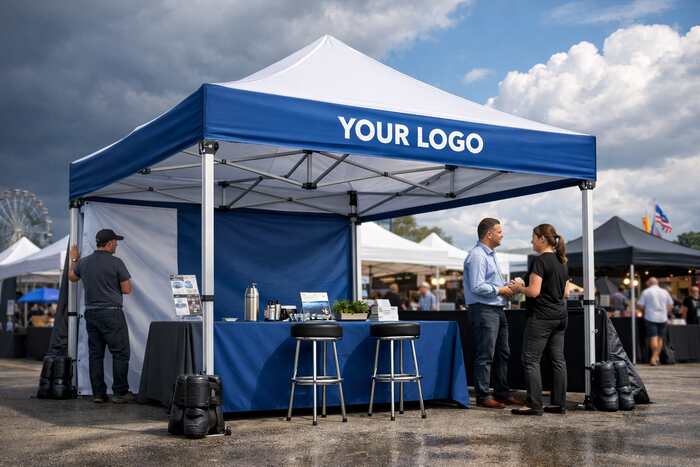
A canopy tent may appear to be nothing more than another item to cross off the list, something temporary to provide shade for a weekend event. However, when one considers it to be cheap or temporary, it often means that they will have to purchase it again sooner rather than later. In a world where reputation is everything, what sets big-box models apart from heavy-duty models is more than just price. You stand at a fair, a concert, or an outdoor booth, and the equipment around you speaks before you do. Professional custom tents show what you stand for. It rains hard, and then the weak walls start to sag. Choosing tougher stuff means less worry when storms hit. A solid build keeps workers safe while wind howls outside. Others notice when things hold up year after year. Strength speaks before words ever do.
The Strategic Value of Industrial Durability Built to Last
- Prioritizing Frame Strength and Material Integrity
A frame shapes how long a tent lasts. Most store-bought models depend on thin plastic or empty steel poles, which twist when pressure hits. Instead, your choice leans toward industrial builds using treated aluminum or thick steel, shaped like hexagons along the shaft. Quality custom canopies use these tougher components to fight rust and warping, so stiffness holds firm through repeated assembly and disassembly. Strength at this level avoids sudden failures, the kind that drop canopies mid-event when winds spike without warning.
- Evaluating Fabric Density and Weather Resistance
Not just the shade matters, but also how tightly it’s woven. Most commercial models use 600D polyester fabric, built to resist sunlight, water, and flames. What stands out is how store-bought versions, usually lighter nylon, lose color fast under heat and crack open when wet. Because of thicker materials, things stay dry underneath. Logos hold their punch even after days outdoors.
- Mitigating Risk Through Wind Load Engineering
A few things run exactly as planned once outside. When secured correctly, heavy-duty tents resist strong winds, unlike store-bought models that fly away like paper in a storm. Stability matters most when the gusts pick up. Built with stronger beams and solid base weights, these frames hold firm while others fold down ahead of schedule just to stay safe.
- Enhancing Brand Perception Through Aesthetics
A shaky start leaves marks. Your display space acts like a first look at who you are, meeting eyes before words begin. When fabric droops or folds unevenly, it hints at carelessness, something overlooked. But when the peak stands sharp and clean, it quietly says things are under control. Frames made for business settings work better since they pull the cover tight using hidden cranks inside. That stretch keeps everything flat, giving your brand mark room to stand clear. How it holds shape matters more than expected. People notice without noticing, linking a solid build to what lies behind; what you sell matches how you show up.
- Maximizing ROI Through Longevity
One reason you look at tent buying differently? It is about how much you get back over the years, not what shows up on the receipt today. A store-bought model might seem lighter on the wallet at first, yet needing a new one each year adds up faster than paying more once for something built to last seasons. What helps even more is that heavy-duty versions usually offer extra pieces like beams, supports, or joints that swap in when worn. Fixing small damage instead of tossing everything means less spending later without surprises. Over months and years, that way simply leaves more in your pocket.
- Leveraging Modularity for Event Versatility
Not every tent grows with you, but some do. These ones accept extras without hassle; think panels, closures, or roof tweaks, all snapping in place thanks to smart design. Most store-bought shades won’t take such changes well. A stronger starting frame means shifting form when needed: one day breezy and wide, the next day zipped tight against the wind, and later dressed up as a stand that stands out even in crowded halls.
Final Thoughts
It starts with strength, not shortcuts. Opting for a heavy-duty tent means valuing lasting performance more than quick setup. Built tough through solid fabrics, a thought-through structure, and clean, sharp looks, it holds steady where work happens. This isn’t just shelter; it shows up every time, matching effort with endurance, becoming part of how outreach takes shape outdoors.
