


Not all toys create good play.
Some toys light up, make noise, and lose their appeal in five minutes. Others stick around, get pulled off shelves again and again, and quietly shape how kids explore, imagine, and connect.
The difference is not about price or trends. It comes down to how much room a toy gives a child to think, adapt, and stay engaged.
The best toys do not take over play. They support it.
What “Playing Better” Actually Means
Good play is not about being busy; it is about being absorbed in what they are doing and discovering new things through it, as research on child development highlights the way play helps children grow and thrive. When kids are playing well, they are focused, curious, and comfortable experimenting. They are not rushing to the next activity or waiting for instructions.
Open-Ended Toys Invite Creativity
Open-ended toys do not have a single right way to use them. That freedom matters.
Blocks can become towers, roads, houses, or nothing specific at all. Dolls can be explorers, caregivers, friends, or characters in a story that changes every day.
These toys grow with the child instead of being outgrown quickly. They encourage problem-solving, storytelling, and independent thinking without feeling instructional.
Common examples of open-ended toys include:
- Building blocks and construction sets
- Play figures and dolls
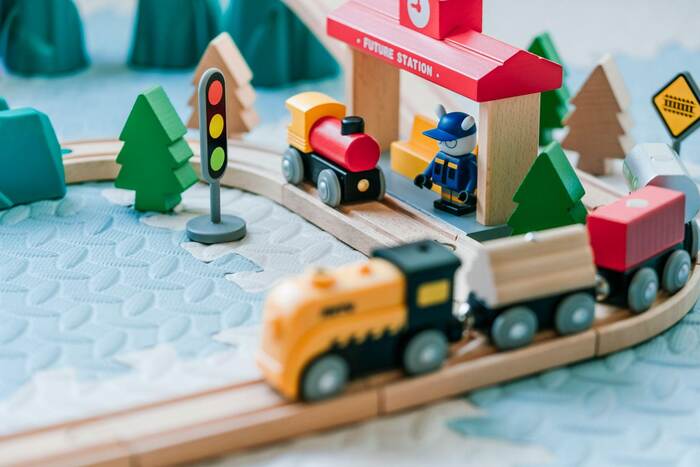
- Simple vehicles and tracks
- Loose parts like tiles, shapes, or stacking pieces
These toys support long stretches of play because kids stay in control of the experience.
Pretend Play Builds Real Skills
Pretend play often looks simple from the outside, but a lot is happening beneath the surface.
When kids pretend, they practice communication, empathy, and social understanding. They test ideas, roles, and emotions in a safe way. They replay moments from real life and imagine new ones.
Toys that support pretend play do not need to be complicated. Kitchens, tool sets, dress-up pieces, and role-play figures all encourage kids to step into different perspectives.
The key is that the toy does not dictate the story. The child does.
Toys That Encourage Movement Matter Too
Play is not only about imagination. Physical movement plays a big role in how kids regulate energy and focus.
Toys that encourage climbing, balancing, pushing, or pulling help kids connect their bodies to their environment. They support coordination and confidence without turning play into structured exercise.
Simple items like ride-ons, balance toys, and soft play pieces can make a big difference, especially for kids who learn best through movement.
These toys help play feel full-body, not just screen-level.
Simplicity Keeps Play Going Longer
Many parents notice the same pattern. The simpler the toy, the longer it gets used.
Toys that do too much leave little room for creativity. Once the buttons are pressed and the features are explored, there is nowhere else to go.
Simple toys invite repetition and variation. A child can return to them day after day and still find something new.
This does not mean toys need to be boring. It means they should leave space for imagination instead of replacing it.
Inclusive Toys Create More Natural Play
Toys that reflect different identities, abilities, and family structures help normalize diversity in a quiet, everyday way.
When kids see a range of people represented in their toys, play becomes more inclusive without needing explanation. It feels natural instead of forced.
Inclusive toys support empathy and belonging. They also help kids see themselves in play, which encourages deeper engagement.
The best inclusive toys do not stand out as lessons. They simply exist as part of the play world.
Quality Over Quantity Still Applies
More toys do not lead to better play. In many cases, they do the opposite.
Too many options can overwhelm kids and shorten attention spans. Fewer, well-chosen toys tend to invite deeper focus and longer play sessions.
Parents often find that rotating toys instead of constantly adding new ones keeps play fresh without clutter.
This approach also makes it easier to notice which toys truly support play and which ones fade quickly.
Choosing Toys With Intention
Choosing toys does not require expert knowledge. It requires paying attention to how kids actually play.
Helpful questions to ask include:
- Does this toy allow more than one way to play?
- Can it grow with the child over time?
- Does it encourage imagination or problem-solving?
If the answer is yes, the toy is likely to support better play.
Where Thoughtful Toy Curation Makes a Difference
Not all toy stores take this approach. Some focus on trends or volume instead of play value. But stores like Kol Kid focus on curating toys that support creativity, movement, and inclusive play. The selection is intentional rather than overwhelming, which makes it easier for parents to choose toys that last.
That kind of curation helps shift the focus from buying more to choosing better.
The Takeaway for Parents and Caregivers
The best toys do not entertain kids for them. They invite kids to do the work of play themselves.
When toys leave room for imagination, movement, and exploration, play becomes deeper and more satisfying. Kids stay engaged longer and return to the same toys with new ideas.
Better play does not come from complexity. It comes from possibility.
Choosing toys with that in mind helps create play experiences that feel meaningful, lasting, and genuinely enjoyable for kids.
Read Also: Easy Riddles for Kids That Spark Fun and Learning
